What Is Trauma Cleaning – Vital Safety for Homes
- support760146
- Feb 18
- 6 min read
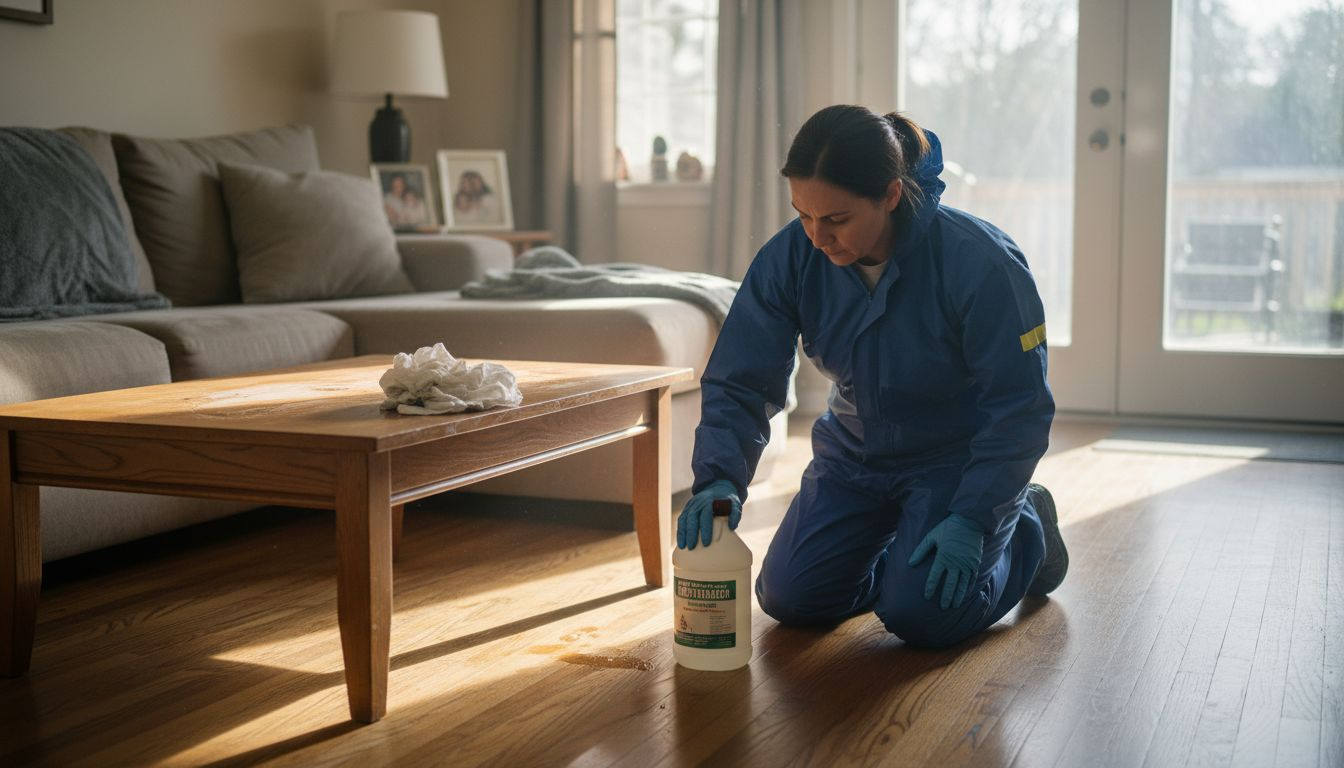
When traumatic events strike a property in St. Augustine, Florida, the aftermath can leave not only visible damage but also lasting emotional effects. Restoring safety and peace of mind takes more than regular cleaning, especially after incidents dealing with biohazards and sensitive materials. Working with a team that understands trauma-informed care principles ensures your home or business is handled with clinical expertise and compassion, so recovery can begin in a space that feels both safe and respectful.
Table of Contents
Key Takeaways
Point | Details |
Trauma Cleaning Importance | Specialized trauma cleaning goes beyond standard cleaning, addressing biohazards and emotional sensitivity. |
Types of Incidents | Common scenarios include crime scenes, unattended deaths, and medical emergencies that require expert intervention. |
Regulatory Compliance | Adhering to regulations from OSHA, EPA, and CDC is crucial for ensuring safety and legal standards in trauma cleaning. |
Cost Considerations | Expenses for trauma cleaning vary widely, often ranging from $1,000 to $25,000, depending on the incident’s complexity and required resources. |
Trauma cleaning and its core concepts
Trauma cleaning represents a specialized professional service that goes far beyond standard cleaning procedures. This unique approach addresses environments impacted by serious incidents, requiring intricate technical knowledge and profound emotional sensitivity.
At its core, trauma cleaning involves several critical components that distinguish it from routine cleaning services. Trauma-informed care principles guide professionals in understanding how physical spaces carry deep emotional significance. The process requires more than sanitization - it demands comprehensive restoration that respects human experiences.
The essential elements of trauma cleaning include:
Thorough biohazard removal
Sensitive handling of potentially traumatic materials
Complete sanitization of affected spaces
Restoration of environments to pre-incident conditions
Psychological consideration of impacted individuals
Professional trauma cleaning teams operate with a structured methodology that prioritizes both physical and emotional safety. Creating safety and trust becomes paramount, ensuring that every cleaning action is performed with utmost respect and care.
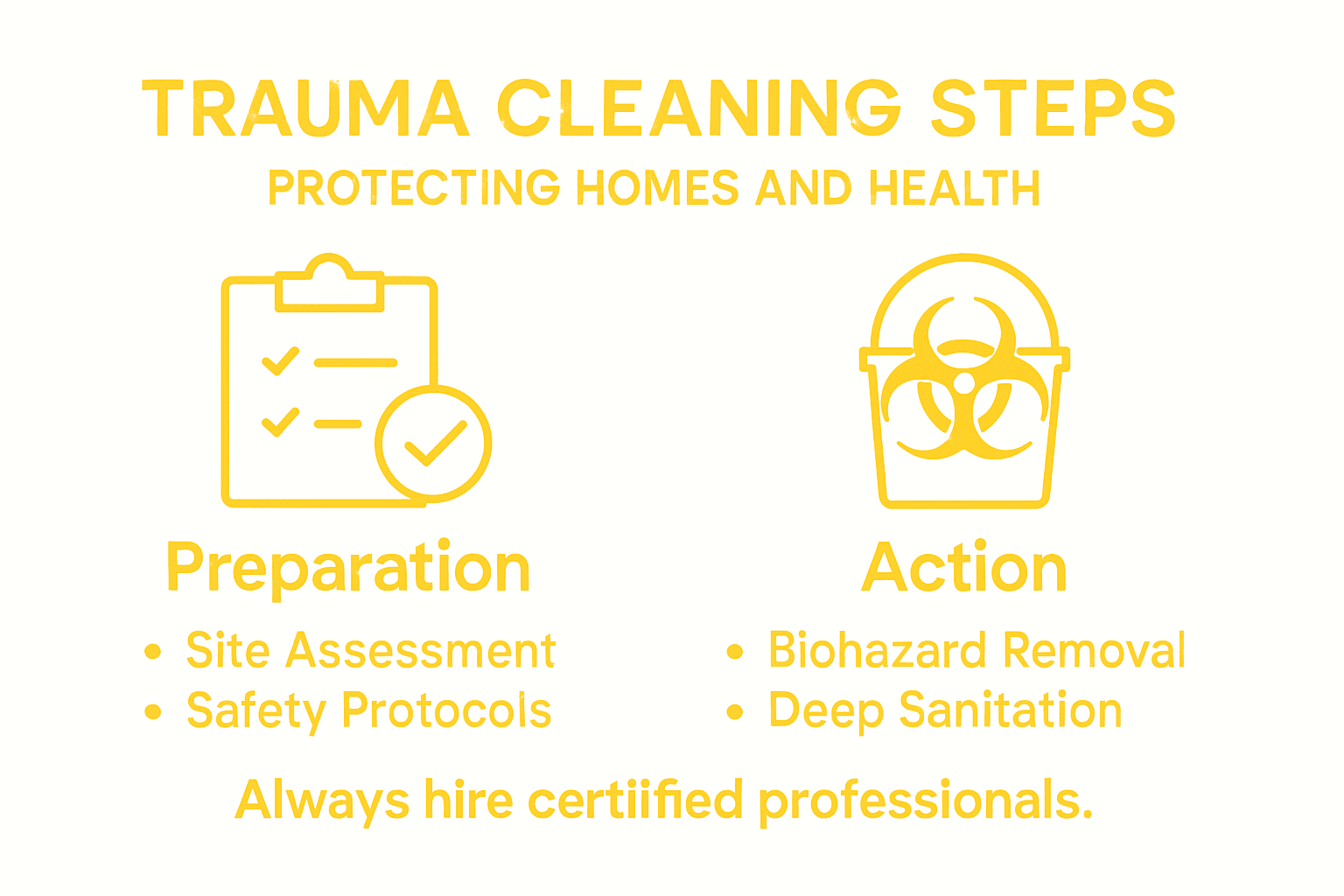
Pro tip: When selecting a trauma cleaning service, always verify their professional certifications and training in trauma-informed approaches.
Types of trauma incidents requiring cleaning
Trauma cleaning addresses a wide range of complex and emotionally challenging incidents that leave behind significant physical and psychological impacts. These situations demand specialized intervention to restore spaces and support healing for affected individuals.
Traumatic events requiring professional cleaning encompass several critical categories that pose unique challenges to restoration professionals. The most common types include:
Violent crime scenes
Unattended deaths
Suicide incidents
Serious accidents
Homicide investigations
Industrial workplace accidents
Hoarding environments
Spaces impacted by severe medical emergencies
Biohazardous scenarios represent the most critical instances requiring specialized trauma cleaning. Trauma-related incidents involving injury often create complex contamination scenarios that extend beyond standard cleaning protocols. These environments frequently contain blood, bodily fluids, and potential pathogenic materials that demand professional-grade sanitization techniques.
Trauma cleaning professionals must approach each scenario with exceptional care, understanding that these spaces are not just physically contaminated but emotionally charged. The cleaning process involves not just removing physical traces but also creating an environment that supports psychological recovery and emotional healing.
Pro tip: Always document the cleaning process thoroughly and use specialized personal protective equipment when addressing trauma cleaning scenarios.
Here is a quick overview of common trauma cleaning scenarios and their unique challenges:
Scenario Type | Key Challenge | Common Hazard |
Crime Scene | Preserving evidence, legal compliance | Bloodborne pathogens |
Unattended Death | Severe decomposition, odor control | Advanced biological decay |
Hoarding Cleanup | Extreme clutter, mental health needs | Mold, sharp objects |
Industrial Accident | Specialized contamination, scale | Hazardous chemicals |
Medical Emergency Scene | Quick response, privacy concerns | Bodily fluids, pathogens |
Essential steps in trauma cleaning process
Trauma cleaning is a meticulous and highly specialized process that requires extraordinary precision and professional expertise. Professional trauma cleaning standards mandate a comprehensive approach to restoring spaces impacted by traumatic incidents, ensuring both physical safety and emotional sensitivity.
The essential steps in trauma cleaning involve a systematic and carefully structured approach:
Initial site assessment and hazard evaluation
Establishing comprehensive safety protocols
Creating containment zones
Specialized biohazard removal
Advanced sanitization procedures
Thorough documentation of cleaning process
Final verification and clearance
Biohazard management represents the most critical component of trauma cleaning. Trauma assessment and cleaning techniques require professionals to utilize specialized equipment and follow strict decontamination protocols. This involves wearing advanced personal protective equipment, using hospital-grade disinfectants, and implementing precise removal techniques for potentially infectious materials.
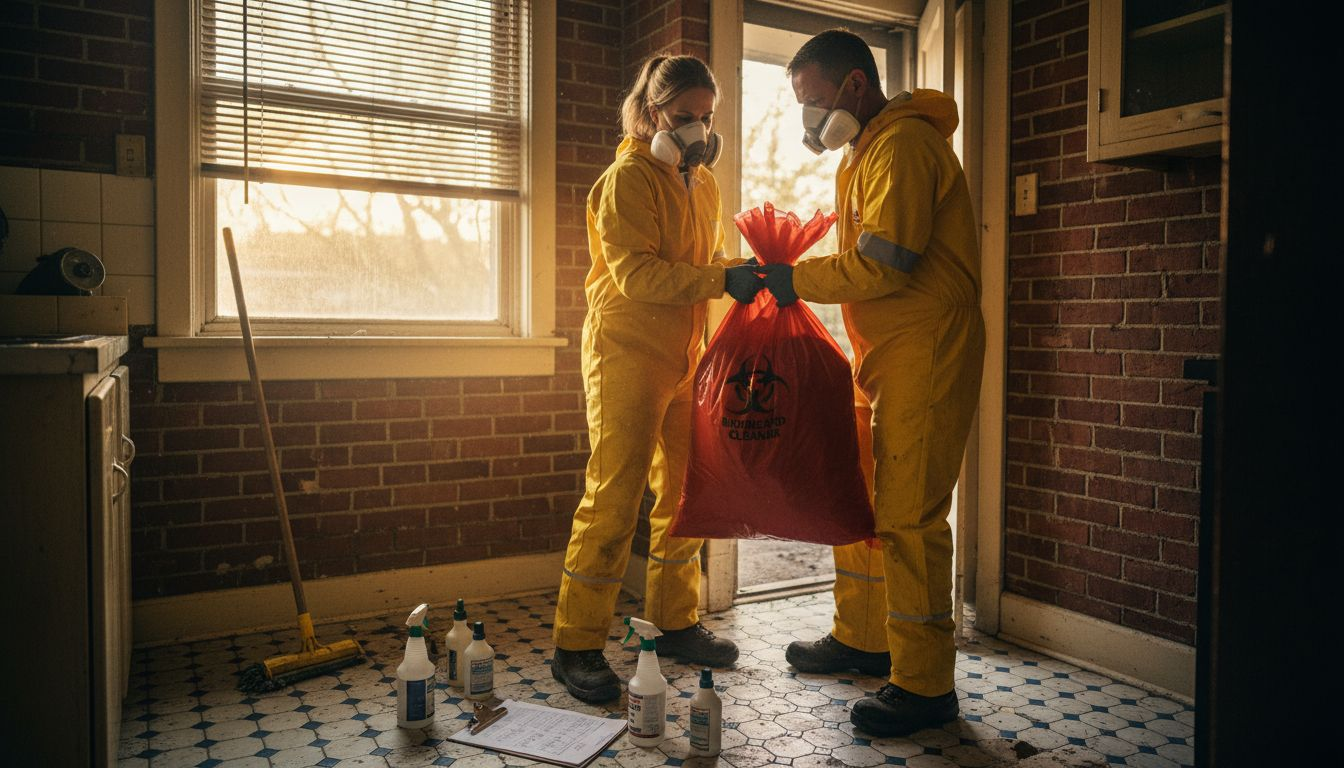
Professionals must approach each trauma cleaning scenario with exceptional care, understanding that the process extends beyond physical cleaning. The goal is not just to sanitize a space but to create an environment that supports psychological healing and helps individuals begin their recovery journey.
Pro tip: Always work with certified trauma cleaning professionals who understand both the technical and emotional complexities of restoration.
Regulations governing trauma cleaning in the US
Trauma cleaning regulations in the United States represent a complex network of federal and state guidelines designed to protect public health and safety. Industry cleaning standards establish comprehensive protocols that trauma cleaning professionals must rigorously follow to ensure proper biohazard management and environmental restoration.
The key regulatory frameworks governing trauma cleaning include:
Occupational Safety and Health Administration (OSHA) regulations
Environmental Protection Agency (EPA) waste disposal guidelines
Centers for Disease Control and Prevention (CDC) pathogen control protocols
State-specific health and safety compliance requirements
Blood-borne pathogen exposure prevention standards
Hazardous waste transportation and disposal regulations
Biohazard management compliance demands strict adherence to multiple regulatory requirements. Environmental cleaning procedures mandate comprehensive risk assessment, specialized equipment usage, and detailed documentation to prevent potential health risks and ensure thorough decontamination.
Professionals must maintain extensive documentation, utilize approved personal protective equipment, and follow precise protocols for handling, transporting, and disposing of potentially infectious materials. These regulations are not merely recommendations but legal requirements designed to protect both cleaning professionals and the general public from potential health hazards.
Pro tip: Always verify current certification requirements and keep updated with the latest regulatory changes in trauma cleaning standards.
The table below summarizes major U.S. trauma cleaning regulations and their focus areas:
Regulatory Body | Main Focus Area | Applies To |
OSHA | Worker safety, biohazard handling | On-site personnel |
EPA | Hazardous waste disposal | Transport & site cleanup |
CDC | Infection prevention protocols | Cleaning & disinfection |
State Health Depts | Local compliance, licensing | Business operations |
DOT | Safe transport of hazardous waste | Waste transportation |
Risks, costs, and common mistakes to avoid
Trauma cleaning involves substantial risks that extend far beyond standard cleaning services. Healthcare cleaning procedures highlight the complex challenges professionals face when managing potentially hazardous environments.
Key risks in trauma cleaning include:
Exposure to bloodborne pathogens
Chemical contamination hazards
Potential infectious disease transmission
Psychological trauma from scene restoration
Legal liability from improper cleaning procedures
Physical injury during cleanup operations
Potential long-term health complications
Cost considerations can vary dramatically depending on the incident’s complexity. Professional trauma cleaning services typically range from $1,000 to $25,000, with factors including scene size, contamination level, and required specialized equipment. Industry cleaning standards emphasize that cutting corners can lead to significantly higher long-term expenses through potential health risks and legal complications.
Common mistakes that trauma cleaning professionals must scrupulously avoid include inadequate personal protective equipment, insufficient decontamination protocols, improper waste disposal, and neglecting comprehensive documentation. These errors can result in serious health risks, regulatory violations, and potential legal challenges.
Pro tip: Always obtain multiple professional assessments and comprehensive insurance coverage before attempting any trauma cleaning scenario.
Ensure Safety and Cleanliness with Expert Trauma-Informed Cleaning Solutions
Trauma cleaning demands more than routine tidying. It requires sensitive handling of biohazards, thorough sanitization, and respect for emotional impacts left behind after traumatic events. At My Lemon Maids, we recognize these unique challenges and are ready to provide safe, comprehensive cleaning services tailored to restore your home or business environment with care and professionalism.

Experience peace of mind knowing our trained team follows rigorous safety protocols while delivering deep cleaning solutions designed for post-trauma scenarios. Do not wait to protect your space and those who matter most. Contact My Lemon Maids today to schedule your trusted trauma cleanup and detailed cleaning service with compassionate expertise.
Frequently Asked Questions
What is trauma cleaning?
Trauma cleaning is a specialized service focusing on cleaning environments affected by serious incidents such as violent crimes, unattended deaths, or severe medical emergencies. It involves complete sanitization and restoration while being sensitive to the emotional impact of the situation.
What types of incidents require trauma cleaning services?
Trauma cleaning services are typically required in situations involving violent crime scenes, unattended deaths, suicides, serious accidents, hoarding, and industrial workplace accidents, among others. Each scenario presents unique challenges for restoration.
What are the essential steps in the trauma cleaning process?
The essential steps in trauma cleaning include initial site assessment, safety protocol establishment, biohazard removal, advanced sanitization, thorough documentation, and final verification to ensure the area is restored to a safe condition.
What regulations govern trauma cleaning in the United States?
Trauma cleaning is regulated by guidelines from OSHA, EPA, and CDC, among others. These regulations ensure proper biohazard management and infection prevention, requiring trauma cleaners to follow specific protocols and maintain safety standards.
Recommended
Comments