
What Is Hull Cleaning and Why It Matters
- jeffwashausen
- Jan 29
- 7 min read

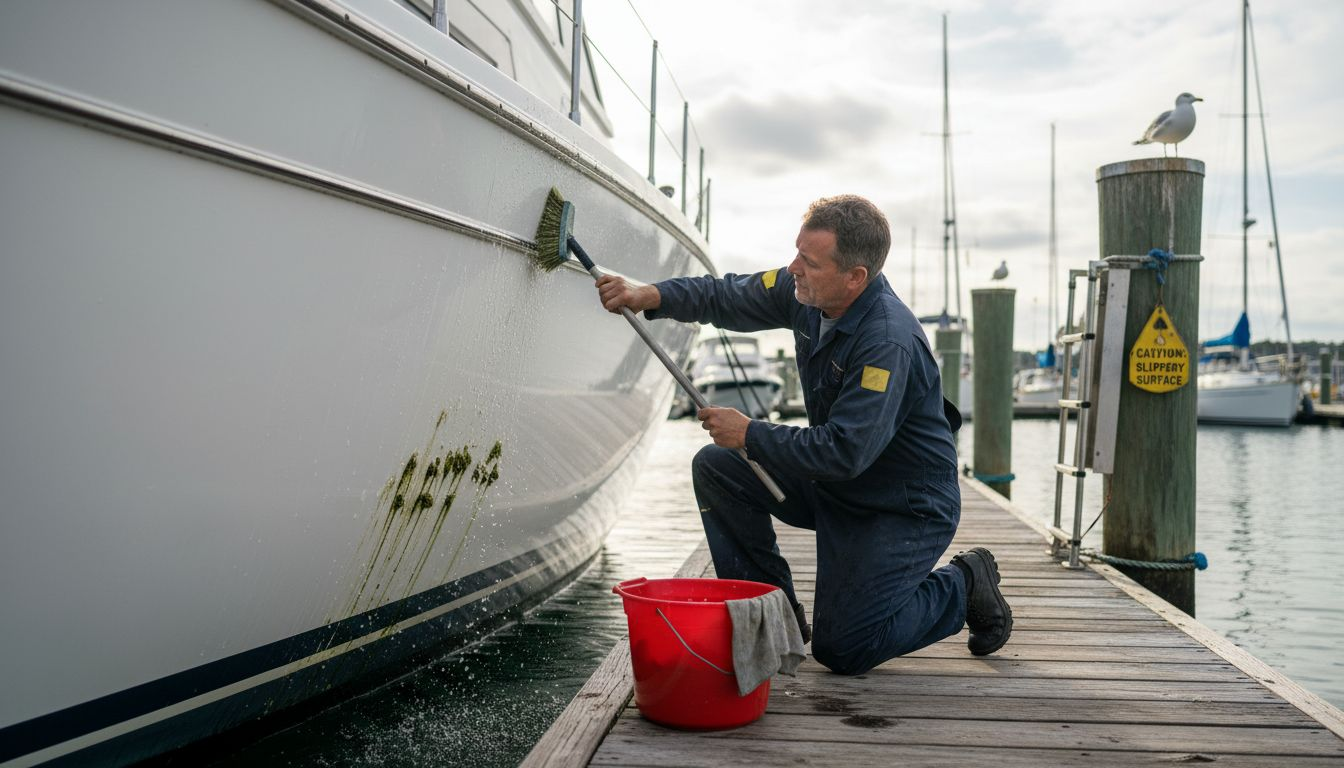
For boat owners in St. Augustine, Ponte Vedra, and Nocatee, fighting marine growth on the bottom of your vessel is an ongoing challenge. Letting algae and barnacles take hold not only affects your boat’s performance but can also drive up fuel expenses and threaten its long-term value. Choosing the right hull cleaning solution means more than just enhancing appearance—it is about protecting your investment, meeting environmental standards, and enjoying worry-free days on the water. Marine biofouling remains a serious concern, but with modern cleaning methods and local expertise, you can keep your vessel running smoothly and looking its best.
Table of Contents
Key Takeaways
Point | Details |
Hull Cleaning Importance | Regular hull cleaning is essential to maintain vessel performance, reduce fuel costs, and extend the operational lifespan of boats. |
Proper Cleaning Frequency | Scheduling professional hull cleaning every 4-6 months can prevent excessive marine growth and improve fuel efficiency. |
Regulatory Compliance | Adhering to global hull cleaning regulations is crucial to avoid legal risks and protect marine ecosystems. |
Cost Considerations | Proactive maintenance is more cost-effective, helping to reduce overall hull cleaning expenses by up to 60%. |
Hull Cleaning Defined and Common Myths
Hull cleaning represents a critical maintenance procedure for boat owners, focusing on removing marine growth and preventing potential vessel performance issues. Boat hull maintenance involves systematically eliminating organisms like algae, barnacles, and other aquatic attachments that accumulate on a vessel’s underwater surface.
Understanding hull cleaning requires recognizing its multifaceted importance. The primary objectives include:
Reducing underwater drag
Improving fuel efficiency
Preventing structural marine damage
Minimizing environmental ecosystem disruption
Maintaining vessel aesthetic and market value
Contrary to popular misconceptions, hull cleaning isn’t just a cosmetic procedure. Marine biofouling can significantly impact a boat’s performance and operational costs. When marine organisms attach and grow on a hull, they create increased resistance, forcing engines to work harder and consume more fuel.
Professional hull cleaning prevents up to 40% potential performance degradation caused by marine growth accumulation.
Common myths surrounding hull cleaning often mislead boat owners. Many believe infrequent cleaning or using aggressive chemical treatments are acceptable practices. However, clean hull standards recommend periodic, environmentally conscious maintenance using specialized tools and eco-friendly techniques.

Pro tip: Schedule professional hull cleaning every 4-6 months to maintain optimal vessel performance and prevent extensive marine growth buildup.
Types of Hull Cleaning Methods Explained
Boat hull maintenance involves multiple cleaning approaches designed to address different levels of marine growth and vessel requirements. In-water cleaning methods have evolved to provide boat owners with strategic options for preserving their vessel’s performance and appearance.
The primary hull cleaning methods can be categorized into two main approaches:
Proactive Cleaning
Frequent micro-fouling removal
Gentle surface treatment
Minimal marine organism accumulation
Reactive Cleaning
Addressing significant marine growth
Intensive removal of macrofouling
Potential risk of coating damage
Professional hull cleaning techniques typically employ various specialized tools and technologies. Industry standard cleaning approaches include mechanical methods such as:
Diver-operated manual cleaning
Remotely operated vehicle (ROV) cleaning
Pressurized water jet systems
Specialized scraping and brushing techniques
Advanced hull cleaning technologies aim to remove marine growth while minimizing environmental impact and potential vessel damage.
The selection of an appropriate cleaning method depends on several critical factors, including the vessel’s age, coating type, extent of marine growth, and environmental considerations. Boat owners must carefully evaluate their specific needs and consult with professional marine maintenance experts to determine the most suitable cleaning approach.
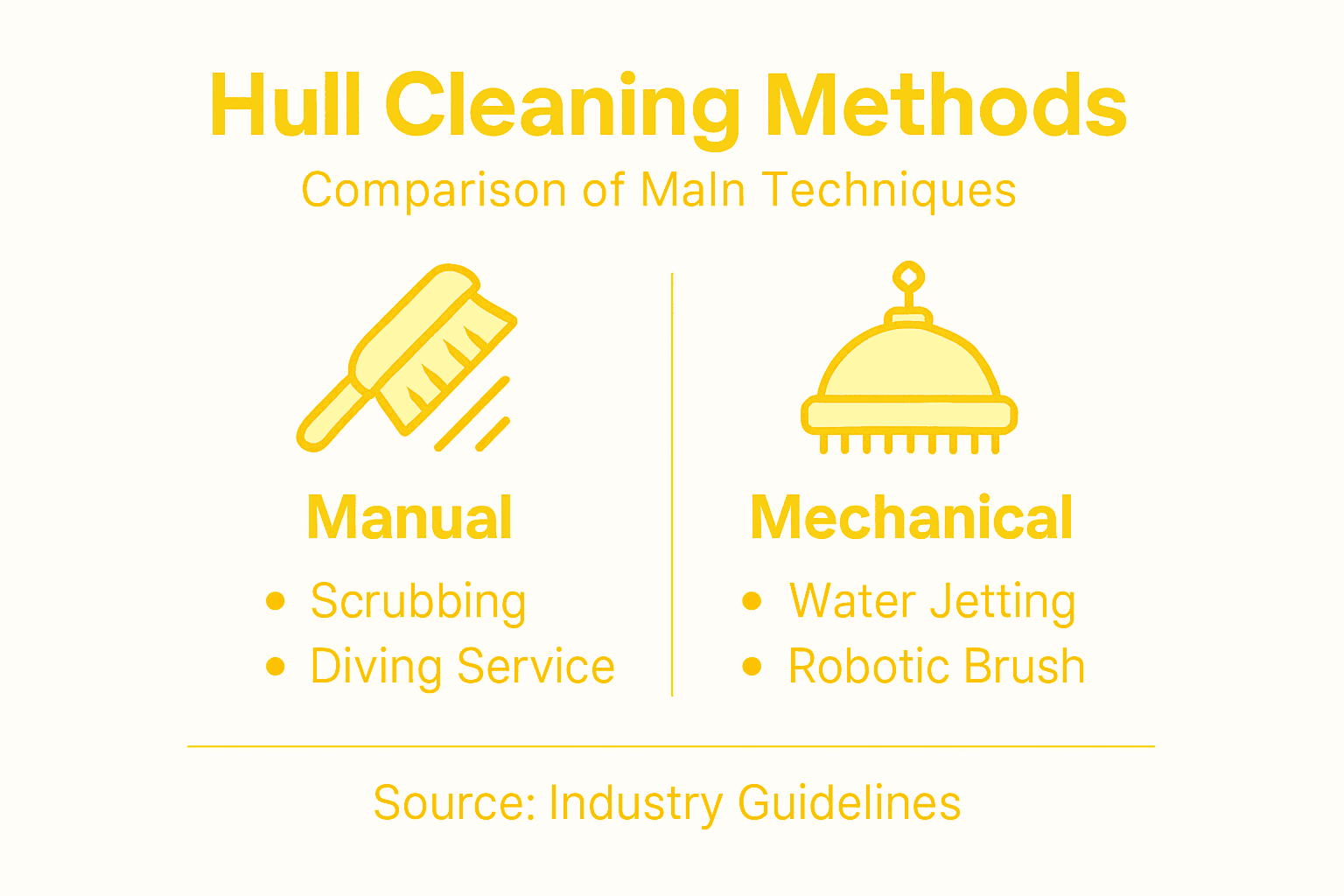
Here’s a comparison of proactive versus reactive hull cleaning methods:
Method Type | Frequency Required | Impact on Coating | Risk of Re-Growth |
Proactive | Frequent, light cleaning | Gentle, low abrasion | Lower if maintained regularly |
Reactive | Infrequent, major cleanup | Higher risk of damage | Higher after significant growth |
Pro tip: Invest in regular professional inspections to determine the most appropriate hull cleaning method for your specific vessel and marine environment.
How Hull Cleaning Protects Your Vessel
Regular hull maintenance plays a critical role in preserving a vessel’s performance, structural integrity, and long-term value. By systematically addressing marine growth and potential damage, boat owners can significantly extend their vessel’s operational lifespan and efficiency.
The primary protective benefits of consistent hull cleaning include:
Reducing underwater drag
Preventing marine organism accumulation
Minimizing potential structural corrosion
Maintaining optimal fuel efficiency
Preserving vessel resale value
Corrosion prevention represents a fundamental aspect of hull protection. Marine environments are particularly harsh, with saltwater, marine organisms, and environmental factors constantly challenging a vessel’s structural integrity. Hull preservation techniques involve not just cleaning, but also comprehensive coating and maintenance strategies.
Consistent hull cleaning can reduce fuel consumption by up to 20% and prevent potential repair costs exceeding thousands of dollars.
Boat owners must understand that marine growth does more than create aesthetic issues. Barnacles, algae, and other organisms create significant resistance, forcing engines to work harder and consume more fuel. This biological buildup can lead to decreased performance, increased operational costs, and potential long-term structural damage.
Pro tip: Schedule professional hull inspections and cleanings at least twice annually to catch potential issues before they become expensive problems.
Legal, Environmental, and Safety Concerns
Global hull cleaning regulations have emerged as a critical framework for addressing environmental and safety challenges associated with marine vessel maintenance. Boat owners must navigate a complex landscape of guidelines designed to protect marine ecosystems and ensure responsible vessel management.
Key environmental and legal considerations include:
Preventing invasive species transfer
Minimizing marine ecosystem disruption
Controlling potential biocide contamination
Reducing greenhouse gas emissions
Maintaining compliance with local and international maritime regulations
Regulatory compliance represents a significant aspect of responsible hull cleaning. The International Maritime Organization (IMO) has developed comprehensive guidelines that address multiple dimensions of environmental protection. In-water cleaning protocols now require specific waste capture, documentation, and pre- and post-cleaning inspection procedures.
Modern hull cleaning practices must balance vessel performance with stringent environmental protection standards.
Boat owners face potential legal and environmental risks if they fail to adhere to established cleaning protocols. Improper hull maintenance can lead to significant consequences, including potential fines, environmental damage, and compromised vessel performance. Understanding and implementing approved cleaning techniques is essential for responsible maritime operation.
Pro tip: Consult local maritime authorities and maintain detailed documentation of your hull cleaning procedures to ensure full regulatory compliance.
Costs, Scheduling, and Choosing Services
Hull cleaning service selection involves carefully evaluating multiple factors that impact both operational performance and long-term vessel maintenance. Boat owners must consider cost, frequency, and environmental considerations when developing a comprehensive cleaning strategy.
Key considerations for choosing hull cleaning services include:
Professional certification and experience
Adherence to environmental regulations
Range of cleaning technologies available
Pricing structure and transparency
Recommended cleaning frequency
Specialized expertise with specific vessel types
Service pricing varies significantly based on several critical factors. Industry standard cleaning approaches recommend frequent light cleaning over sporadic, intensive treatments. The cost typically ranges from $10 to $25 per foot for recreational vessels, with professional diver-operated or remote-controlled services offering different pricing models.
Below is a reference guide for factors influencing professional hull cleaning costs:
Factor | Influence on Cost | Example Impact |
Boat size | Larger size increases cost | 25 ft vs 50 ft difference |
Cleaning method | Advanced tools cost more | ROV cleaning vs hand brushing |
Growth severity | Heavy fouling raises price | Neglected hulls require more time |
Environmental protocols | Regulatory compliance fees | Waste capture and disposal requirements |
Proactive maintenance can reduce overall hull cleaning costs by up to 60% compared to reactive, extensive cleaning procedures.
Boat owners should understand that cleaning frequency depends on multiple variables including water conditions, vessel usage, geographic location, and coating type. Tropical and marine-rich environments may require more frequent cleaning, while vessels in less challenging waters might need less frequent maintenance.
Pro tip: Request detailed quotes from multiple service providers, comparing their cleaning methodologies, environmental certifications, and total service packages before making a final decision.
Protect Your Investment With Expert Surface Cleaning Solutions
Hull cleaning is essential for maintaining vessel performance and preventing costly damage caused by marine growth. Just as hull cleaning reduces drag and preserves your boat’s structural integrity, regular surface cleaning at home or business keeps your property safe, appealing, and efficient. Avoid letting grime and buildup undermine your space conditions by trusting professional cleaning services that prioritize thoroughness and environmental care.

Discover the difference that expert care makes by choosing My Lemon Maids for your residential or commercial cleaning needs. From deep cleaning to pressure washing, our team uses proven techniques to restore and protect your surfaces. Act now to prevent long-term damage and enjoy a cleaner, healthier environment. Learn more about our services and schedule your cleaning today.
Frequently Asked Questions
What is hull cleaning and why is it important?
Hull cleaning is a maintenance procedure aimed at removing marine growth from a vessel’s underwater surface. It’s important because it reduces drag, improves fuel efficiency, prevents structural damage, and maintains the vessel’s aesthetic and market value.
How often should hull cleaning be performed?
It is recommended to schedule professional hull cleaning every 4-6 months to maximize performance and prevent extensive marine growth accumulation.
What are the different methods of hull cleaning?
Hull cleaning methods can be categorized into proactive and reactive cleaning approaches. Proactive cleaning involves frequent and gentle cleaning to minimize fouling, while reactive cleaning addresses significant marine growth and may involve intensive methods.
What are the environmental and legal considerations related to hull cleaning?
Boat owners must adhere to regulations that prevent invasive species transfer, minimize ecosystem disruption, and control contamination from cleaning materials. Following proper in-water cleaning protocols is essential for compliance with maritime regulations.
Recommended
Comments