What Does Deep Cleaning Include? 99% Bacteria Removal Guide
- support760146
- Feb 28
- 13 min read
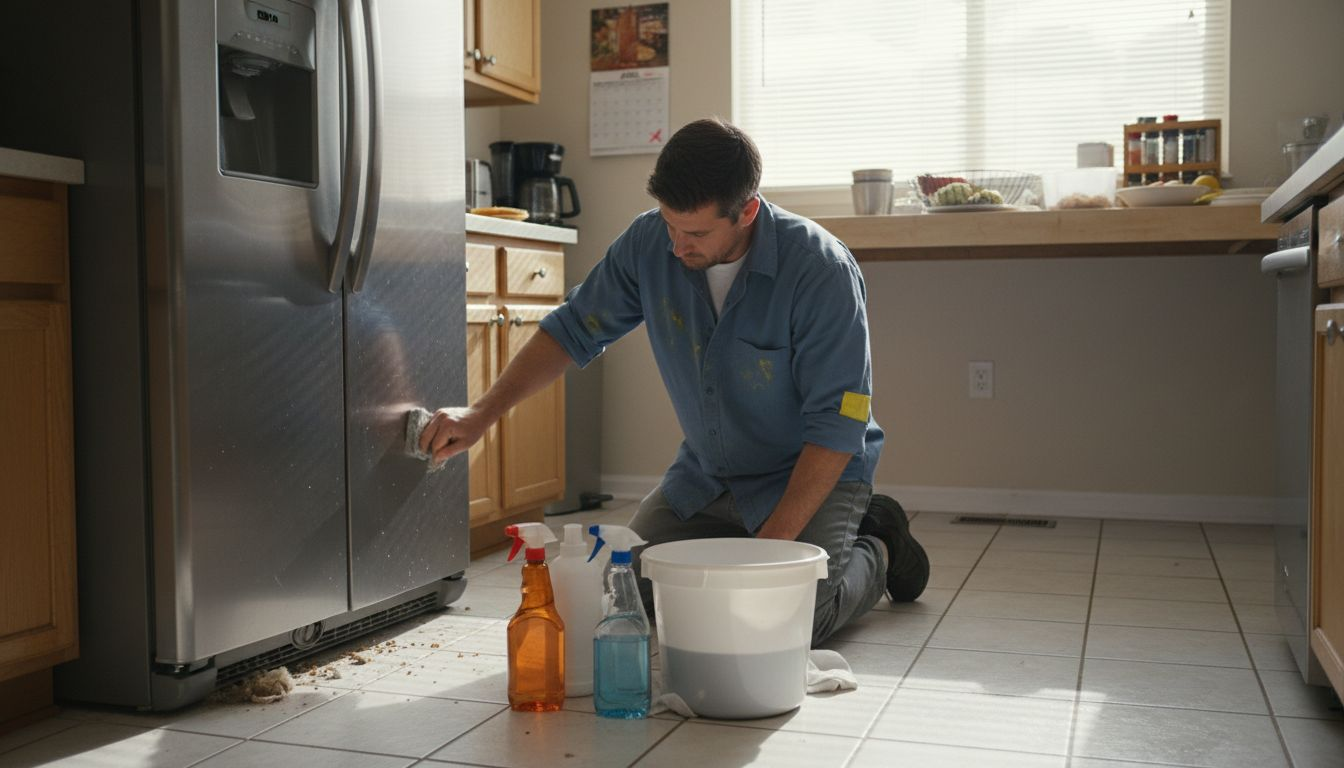
Most people think deep cleaning is just regular cleaning done more thoroughly. That’s wrong. Professional deep cleaning removes up to 99% of bacteria and significantly improves indoor air quality beyond standard cleaning. It targets hidden grime and allergens that routine cleaning misses entirely. For homeowners and property managers preparing residential and rental properties in St. Augustine and Ponte Vedra for occupancy, understanding what deep cleaning is means ensuring a truly healthy, sanitary environment.
Table of Contents
Key Takeaways
Point | Details |
Deep cleaning targets hidden areas | It removes embedded dirt, allergens, and bacteria from neglected spaces regular cleaning never touches. |
Room specific tasks matter | Each room requires specialized attention including appliance interiors, grout scrubbing, and fixture sanitization. |
Health benefits are measurable | Deep cleaning reduces bacteria by 99% and improves indoor air quality by up to 50%. |
Frequency depends on lifestyle | Most homes need deep cleaning 2 to 3 times yearly, more often with pets or allergies. |
Professional tools make the difference | Steam cleaners, upholstery equipment, and specialized disinfectants deliver results beyond DIY methods. |
Introduction to Deep Cleaning: Beyond Regular Cleaning
You vacuum floors weekly. You wipe counters daily. But are you truly cleaning your home?
Regular cleaning handles visible dirt and surface grime. It keeps your property looking presentable. Deep cleaning digs deeper, literally and figuratively. Deep cleaning removes deeply embedded dirt and allergens and improves indoor air quality significantly compared to regular cleaning. It addresses the hidden zones where bacteria, mold, and allergens accumulate over time.
Think about the spaces regular cleaning ignores. Behind appliances. Inside cabinets. Underneath furniture. Grout lines. Baseboards. Window tracks. These areas harbor contaminants that compromise air quality and health. Deep cleaning systematically targets every one of them.
The difference between standard and deep cleaning comes down to scope and intensity. Standard cleaning maintains cleanliness through routine tasks. Deep cleaning restores cleanliness by eliminating accumulated grime and sanitizing thoroughly. For property preparation before occupancy, this distinction matters enormously.
Key differences include:
Regular cleaning focuses on surfaces you see and touch daily
Deep cleaning reaches into crevices, behind fixtures, and inside appliances
Standard cleaning maintains existing cleanliness levels
Deep cleaning resets hygiene to like new conditions
Routine cleaning takes 1 to 2 hours for an average home
Deep cleaning requires 4 to 8 hours depending on property size and condition
A professional deep cleaning checklist ensures no area gets overlooked. This comprehensive approach protects health and prepares properties properly for new occupants. It’s not about perfection for appearance’s sake. It’s about creating genuinely sanitary living spaces.
Room by Room Deep Cleaning Tasks Explained
Every room presents unique deep cleaning challenges. Knowing exactly what professionals tackle helps you understand the value and thoroughness involved.
Deep cleaning includes detailed tasks such as cleaning refrigerator coils, scrubbing grout, dusting ceiling fans, and sanitizing door knobs. These tasks vary by space but share one goal: eliminating hidden contaminants.
Kitchen Deep Cleaning Tasks:
Clean refrigerator coils and interior shelving thoroughly
Degrease range hood filters and exhaust fans
Scrub oven interior including racks and glass door
Sanitize sink basin, faucet, and garbage disposal
Wipe cabinet exteriors and clean interior shelves
Clean behind and under appliances that can be moved
Descale faucet aerators and spray heads
Bathroom Deep Cleaning Tasks:
Scrub tile grout with appropriate cleaners
Remove soap scum and hard water stains from glass doors
Disinfect toilet bowl, seat, base, and surrounding floor area
Clean exhaust fan covers and vents
Sanitize all fixtures including faucets and shower heads
Wipe mirrors and light fixtures spotless
Clean inside vanity cabinets and organize if needed
Living Areas and Common Spaces:
Dust ceiling fans including individual blades
Vacuum and clean under movable furniture
Wipe baseboards and crown molding throughout
Clean light switches and electrical outlet covers
Vacuum upholstery and cushions thoroughly
Clean window sills, tracks, and blinds
Spot clean walls and remove scuff marks
Bedrooms:
Wipe blinds and shutters slat by slat
Dust window sills and frames completely
Sanitize door knobs and light switches
Vacuum under beds and behind furniture
Clean closet floors and organize if requested
Wipe ceiling fan blades and light fixtures
Room | Priority Areas | Frequency Impact |
Kitchen | Appliances, grout, cabinets | High use increases need |
Bathrooms | Grout, fixtures, exhaust | Moisture demands more frequent attention |
Living areas | Fans, baseboards, upholstery | Pet presence doubles frequency |
Bedrooms | Under furniture, closets, fans | Allergy sufferers benefit from quarterly cleaning |
Pro Tip: Focus your deep cleaning efforts on high touch surfaces and frequently overlooked areas like light switches, door handles, and cabinet knobs. These spots harbor the most bacteria and allergens. Prioritizing them maximizes health benefits even if time or budget limits full home deep cleaning.
These detailed deep cleaning tasks transform properties from surface clean to genuinely sanitary. For rental properties especially, this thoroughness protects both owner investment and tenant health.
Tools, Techniques, and Supplies Used in Deep Cleaning
The right equipment separates amateur efforts from professional results. Deep cleaning demands specialized tools that most homeowners don’t own or know how to use effectively.
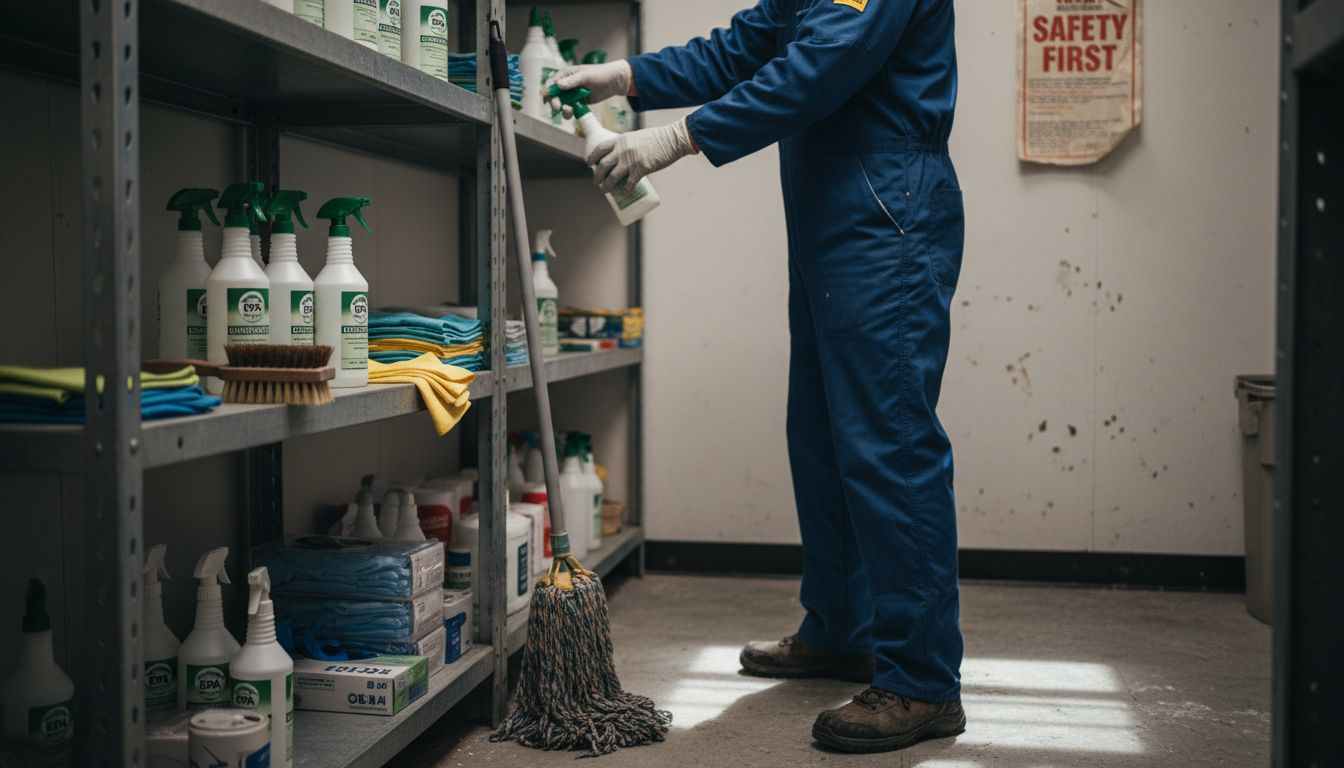
Deep cleaning requires specialized tools such as steam cleaners, upholstery cleaners, appropriate disinfectants, and detailed dusting equipment to reach hidden areas effectively. Each tool serves a specific purpose in the deep cleaning process.
Essential Deep Cleaning Equipment:
Steam cleaners sanitize surfaces using high temperature vapor without harsh chemicals
Upholstery cleaners extract embedded dirt from fabric furniture and carpets
HEPA vacuum cleaners trap 99.97% of particles including allergens and fine dust
Extendable dusting tools reach ceiling fans, crown molding, and high shelves
Scrub brushes in various sizes tackle grout, tile, and textured surfaces
Microfiber cloths capture dust and bacteria better than traditional rags
Spray bottles and applicators ensure even chemical distribution
Professional grade disinfectants differ significantly from household cleaners. They contain EPA registered ingredients proven to kill specific pathogens. Hospital grade disinfectants eliminate bacteria, viruses, and fungi that standard cleaners leave behind. These products require proper dwell time to work effectively.
Technique matters as much as tools. Steam cleaning requires understanding temperature settings for different materials. Too hot damages delicate surfaces. Too cool fails to sanitize. Professionals know these nuances. They adjust pressure, temperature, and cleaning agents based on what they’re cleaning.
Grout cleaning illustrates this point perfectly. You can’t just spray and wipe. Effective grout cleaning requires:
Pre treating with appropriate pH balanced cleaner
Allowing dwell time for chemical action
Agitating with stiff bristle brush at correct angle
Rinsing thoroughly to remove all residue
Sometimes sealing after cleaning to protect long term
Pro Tip: Surface type dictates tool selection. Professionals assess materials before choosing equipment and chemicals. Abrasive scrubbers damage soft stone countertops. Acidic cleaners etch marble. Steam can warp certain wood finishes. Matching method to material prevents damage while optimizing cleaning effectiveness. This expertise protects your property investment.
The combination of proper deep cleaning tools and supplies with professional technique produces results impossible to achieve with standard household products. Investment in quality equipment pays off in both cleaning effectiveness and surface protection. Specialized deep cleaning equipment represents a significant advantage of hiring professionals.
Frequency and Timing Recommendations for Deep Cleaning
How often should you deep clean? The answer depends on several factors specific to your property and lifestyle.
Deep cleaning is recommended 2 to 3 times per year, more frequently if pets or children are present, and ideally before occupancy or special events. This baseline works for most residential properties under normal use conditions.
Certain situations demand increased frequency:
Homes with pets should schedule deep cleaning every 2 to 3 months due to dander, fur, and tracked outdoor contaminants
Families with young children benefit from quarterly deep cleaning to manage sticky messes and frequent spills
Allergy sufferers need deep cleaning every 2 months to control dust mites, pollen, and other allergens
Properties in high humidity areas like coastal St. Augustine require more frequent attention to prevent mold growth
Rental properties should receive deep cleaning between every tenant turnover without exception
Homes undergoing renovation need deep cleaning immediately after construction to remove fine dust particles
Properties preparing for sale benefit from deep cleaning to present in optimal condition
Timing matters strategically. Spring deep cleaning removes winter accumulated dust and prepares homes for increased ventilation. Fall deep cleaning addresses summer wear and prepares for closed window season when indoor air quality suffers most.
For rental properties specifically, timing coordination with tenant transitions is critical. Schedule deep cleaning during the vacancy period between lease end and new occupancy. This protects your property value and ensures new tenants move into genuinely clean spaces. It also provides documentation of property condition.
Seasonal considerations for St. Augustine and Ponte Vedra properties include:
Spring pollen season demands extra attention to window tracks and HVAC filters
Summer humidity increases mold risk in bathrooms and kitchens requiring vigilant deep cleaning
Hurricane season preparation includes deep cleaning to identify and address any moisture damage early
Winter snowbird arrivals mean properties need thorough deep cleaning before seasonal residents return
Consider deep cleaning frequency and timing as preventive maintenance rather than reactive response. Regular deep cleaning costs less than addressing damage from neglect. It extends the life of carpets, upholstery, and fixtures while maintaining property value.
Recommended deep cleaning frequency varies by individual circumstances but following these guidelines ensures your property remains healthy and well maintained year round.
Common Misconceptions About Deep Cleaning
Misunderstandings about deep cleaning lead homeowners and property managers to undervalue or incorrectly time this essential service. Let’s correct the most common myths.
Common misconceptions include believing deep cleaning is just thorough regular cleaning, only for moves or holidays, while it actually targets hidden allergens and is essential year round. These false beliefs cost property owners in health impacts and maintenance expenses.
Myth Versus Reality:
Myth: Deep cleaning is just regular cleaning done more carefully. Reality: Deep cleaning addresses completely different areas and uses specialized equipment that standard cleaning never employs. It reaches spaces regular cleaning doesn’t touch.
Myth: You only need deep cleaning before moving or during holidays. Reality: Deep cleaning provides year round health benefits by controlling allergen buildup, bacteria growth, and indoor air quality degradation that happens continuously.
Myth: Deep cleaning is mainly about appearance and presentation. Reality: While deep cleaning does improve appearance, its primary value lies in removing harmful bacteria, viruses, mold, and allergens that threaten occupant health regardless of visibility.
Myth: DIY deep cleaning produces the same results as professional service. Reality: Professional deep cleaning uses commercial grade equipment, EPA registered disinfectants, and trained techniques that deliver measurably superior sanitation and allergen removal.
Myth: Deep cleaning damages surfaces through aggressive scrubbing. Reality: Professional deep cleaning protects surfaces by using appropriate tools and chemicals for each material type, unlike uninformed aggressive DIY attempts.
Myth: One annual deep cleaning suffices for most homes. Reality: Contaminants accumulate continuously. Annual deep cleaning allows 9 to 10 months of buildup, whereas recommended 2 to 3 times yearly prevents accumulation from reaching problematic levels.
Understanding debunking deep cleaning myths helps property owners make informed decisions about service timing and provider selection. Knowledge of what deep cleaning actually accomplishes versus what people assume leads to better health outcomes and property maintenance.
The confusion often stems from misleading marketing. Some services label intensive regular cleaning as deep cleaning. True deep cleaning follows comprehensive checklists addressing every room systematically with appropriate specialized equipment. Clarifying these deep cleaning misconceptions empowers you to ask the right questions when selecting services.
Benefits of Deep Cleaning for Health and Property Preparation
The advantages of deep cleaning extend far beyond a sparkling appearance. Measurable health improvements and property readiness make deep cleaning an investment rather than an expense.
Deep cleaning reduces bacteria and viruses by up to 99%, improves indoor air quality by up to 50%, and significantly lowers allergens like dust mites and pet dander. These quantified benefits matter enormously for vulnerable populations including children, elderly residents, and anyone with respiratory conditions.
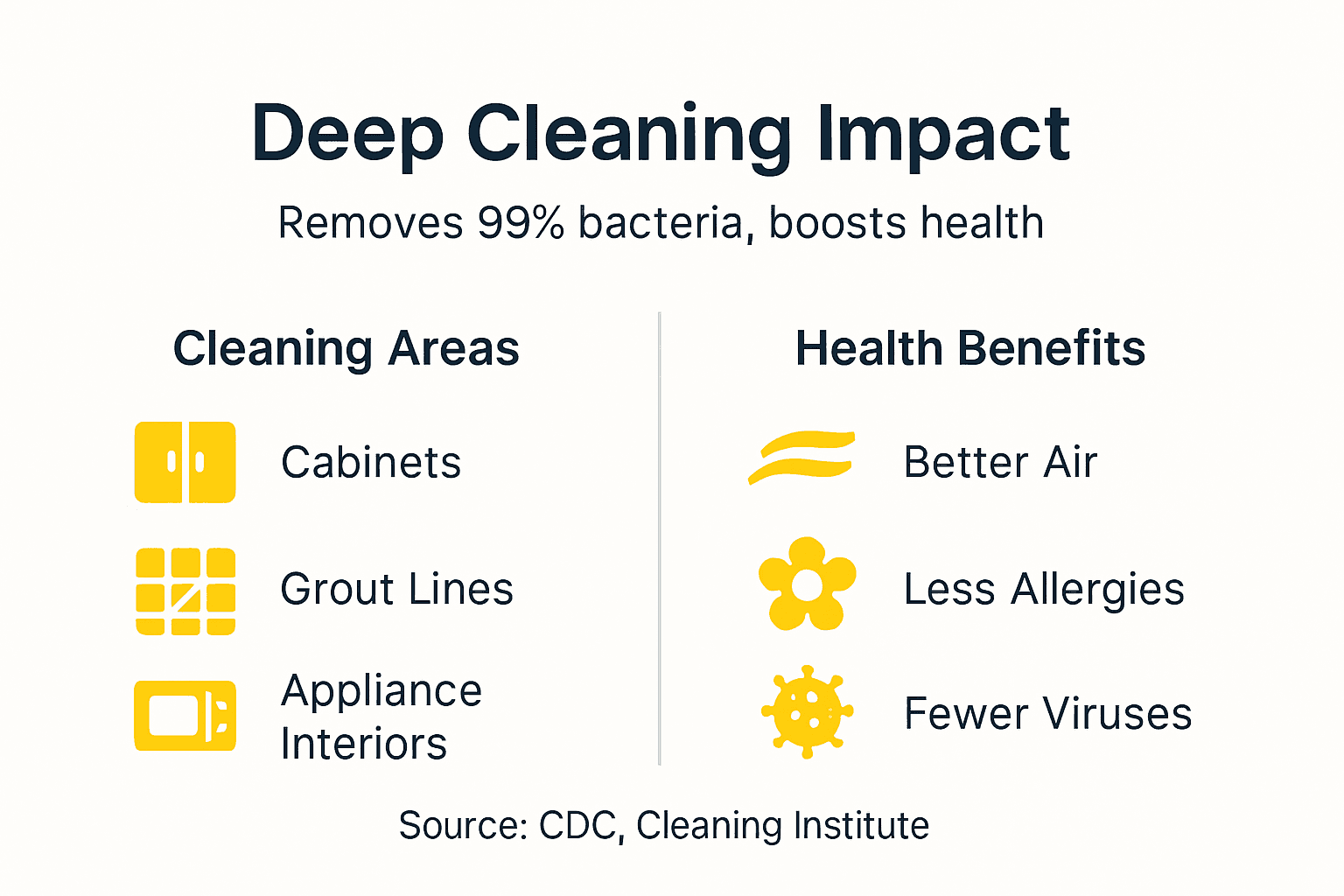
Benefit Category | Regular Cleaning Impact | Deep Cleaning Impact |
Bacteria reduction | 60 to 70% surface bacteria removed | 99% bacteria and virus elimination |
Indoor air quality | Minimal improvement | 40 to 50% improvement in air quality |
Allergen control | Temporary surface allergen removal | 90% reduction in dust mites and pet dander |
Mold prevention | Limited visible mold removal | Eliminates hidden mold and prevents regrowth |
Property readiness | Acceptable daily condition | Move in ready sanitary condition |
Occupant health | Maintains baseline cleanliness | Actively improves respiratory health |
For rental properties, these benefits translate directly to tenant satisfaction and retention. New occupants notice and appreciate genuinely clean spaces. They’re more likely to maintain the property well when it starts in excellent condition. Property managers report fewer maintenance complaints and longer average tenancies in properties receiving regular deep cleaning.
Health benefits compound over time. Reduced allergen exposure means fewer allergy symptoms, better sleep quality, and improved respiratory function. For children and elderly residents especially, these improvements significantly enhance quality of life. Asthma sufferers experience fewer episodes in properly deep cleaned environments.
The health benefits of deep cleaning extend to mental well being too. Clean environments reduce stress and improve mood. Occupants feel more comfortable inviting guests and spending time at home. This psychological component shouldn’t be underestimated.
For property preparation specifically, deep cleaning serves multiple purposes. It identifies maintenance issues early by exposing hidden damage during thorough cleaning. It protects your investment by extending the life of carpets, fixtures, and finishes. It provides documentation of property condition for security deposit discussions.
Commercial properties benefit similarly. Office deep cleaning reduces employee sick days by eliminating pathogen reservoirs. Retail spaces see improved customer perceptions when restrooms and common areas receive professional deep cleaning attention. The return on investment appears in both tangible metrics and intangible reputation benefits.
How to Choose and Prepare for a Professional Deep Cleaning Service
Selecting the right deep cleaning service and preparing your property properly ensures you receive maximum value from the investment. A few strategic steps make the difference between adequate and exceptional results.
Start by verifying service scope. Not all companies defining themselves as deep cleaning services actually provide comprehensive room by room attention. Ask specifically what their deep cleaning includes. Compare their checklist against comprehensive standards. Services should address all the tasks outlined earlier in this guide.
Key selection criteria include:
Verify insurance coverage protects both workers and your property from accidents or damage
Check reviews specifically mentioning deep cleaning rather than general cleaning services
Ask about staff training programs and quality control procedures
Inquire about equipment types and cleaning product brands used
Confirm customization options for specific concerns or special requests
Request clear pricing with itemized costs rather than vague estimates
Verify availability for your preferred scheduling including any urgency needs
Preparing your property maximizes efficiency and results. Preparing for professional deep cleaning requires some advance work but pays off significantly.
Property Preparation Steps:
Declutter surfaces, floors, and furniture tops so cleaners access all areas easily
Remove personal valuables and sensitive items to secure locations
Clear refrigerator and cabinets if requesting interior cleaning of these spaces
Identify and communicate any areas of particular concern or special attention needs
Ensure water and electricity access throughout the property
Arrange for pets to be elsewhere during cleaning to prevent stress and ensure safety
Provide parking information and access instructions for the cleaning team
Communication prevents disappointment. If you need specific areas prioritized, say so upfront. If you have allergies to certain cleaning products, mention it before service day. Professional services accommodate reasonable requests when given adequate notice.
For rental properties between tenants, coordinate timing carefully. Schedule deep cleaning immediately after the previous tenant vacates but before conducting final walk throughs with new tenants. This ensures the property presents in optimal condition and protects your reputation.
Budget realistically. Deep cleaning costs more than regular cleaning due to time intensity and specialized equipment requirements. Expect to pay 2 to 3 times the cost of standard cleaning for truly comprehensive deep cleaning. The investment protects your property value and delivers measurable health benefits worth far more than the service cost.
Professional Deep Cleaning Services in St. Augustine and Ponte Vedra
Your home or rental property deserves the thorough attention that only professional deep cleaning provides. My Lemon Maids brings years of experience and specialized expertise to residential and commercial properties throughout St. Augustine and Ponte Vedra.
Our comprehensive professional deep cleaning services address every area outlined in this guide. We use commercial grade equipment and EPA registered disinfectants to achieve the 99% bacteria reduction and 50% air quality improvement that proper deep cleaning delivers. Our trained teams understand the unique challenges of coastal properties including humidity control and salt air impacts.
We customize every deep cleaning to your specific property needs. Whether preparing a rental for new tenants, addressing allergen concerns for family health, or simply maintaining your investment properly, we deliver results that exceed expectations. Our flexible scheduling accommodates urgent turnovers and planned seasonal maintenance equally well. Beyond deep cleaning, we offer standard cleaning services for ongoing maintenance and handyman maintenance services to address any issues discovered during thorough cleaning.
Frequently Asked Questions About Deep Cleaning
What specific tasks does deep cleaning include that regular cleaning doesn’t?
Deep cleaning addresses neglected areas like appliance interiors, grout lines, baseboards, behind furniture, inside cabinets, and ceiling fans. It uses specialized equipment including steam cleaners and upholstery extractors. Regular cleaning maintains surface cleanliness through routine dusting, vacuuming, and wiping visible areas only.
How long does a professional deep cleaning take for an average home?
A typical 1500 to 2000 square foot home requires 4 to 6 hours for thorough deep cleaning with a professional team. Larger properties or homes with significant neglect may need 8 hours or more. Time varies based on property condition, number of rooms, and specific services requested.
Can I deep clean my home myself or should I hire professionals?
You can attempt DIY deep cleaning but lack access to commercial equipment, professional grade disinfectants, and trained techniques. Professional services deliver measurably superior bacteria reduction and allergen removal. DIY works for maintenance between professional deep cleanings but doesn’t substitute for comprehensive professional service.
When is the best time to schedule deep cleaning for rental properties?
Schedule deep cleaning immediately after tenant move out and before new tenant move in. This timing ensures the property presents in optimal condition, documents cleanliness for security deposit purposes, and protects new tenant health. Never allow occupancy without deep cleaning between tenants.
What should I do to prepare my home before deep cleaning service arrives?
Declutter all surfaces and floors so cleaners can access areas easily. Remove valuables to secure locations. Clear refrigerator and cabinet contents if requesting interior cleaning. Communicate specific concerns or problem areas. Arrange for pets to be elsewhere during service for their safety and to prevent interference.
Does deep cleaning really improve health or is that marketing hype?
Deep cleaning demonstrably reduces bacteria by up to 99%, improves indoor air quality by 40 to 50%, and lowers allergens including dust mites by 90%. These measurable improvements reduce respiratory symptoms, allergy episodes, and illness transmission. The health benefits are scientifically documented, not marketing claims.
Recommended
Comments