Standard cleaning process for offices: 2026 guide
- Glenn Brosnick
- Mar 16
- 8 min read
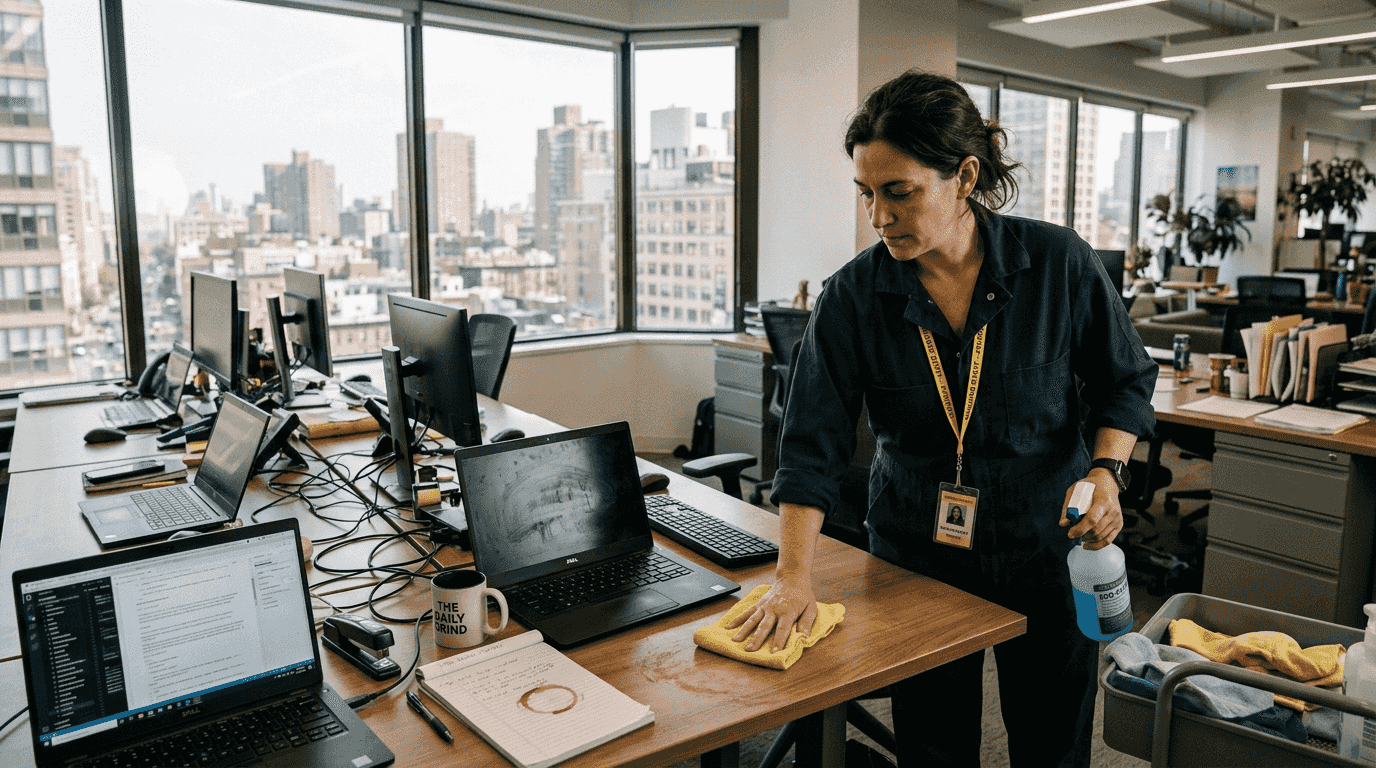
Unclean offices silently drain productivity and inflate costs through preventable illness. With $260 billion lost annually to workplace illness, office managers in St. Augustine, Ponte Vedra, and Nocatee need reliable cleaning processes that protect employee health and maintain professional environments. This guide delivers a practical, step-by-step standard cleaning process designed specifically for decision-makers seeking to implement effective hygiene protocols. You’ll learn preparation essentials, execution sequences, and verification methods that keep your workspace consistently clean and productive.
Table of Contents
Key takeaways
Point | Details |
Health and productivity | Effective cleaning reduces illness transmission and boosts employee performance |
Structured approach | Preparation, execution, and verification ensure consistent results |
Scheduling optimization | Understanding occupancy patterns maximizes cleaning efficiency |
Flexibility matters | Adapting to office usage and events improves cleaning outcomes |
Professional standards | Regular verification and deep cleaning maintain long-term hygiene |
Understanding the importance of a standard office cleaning process
Workplace illness creates massive financial and operational consequences. The role of office cleaning extends beyond aesthetics to directly impact your bottom line through reduced sick days and improved staff morale. When employees work in contaminated environments, germs spread rapidly through high-touch surfaces like keyboards, door handles, and shared equipment.
A standardized cleaning process delivers measurable benefits that justify the investment. You gain consistent cleanliness across all areas, compliance with health regulations, and a professional image that impresses clients and attracts talent. Without standard protocols, cleaning quality fluctuates based on individual interpretation, leaving gaps in hygiene coverage.
Consider these critical advantages of implementing structured cleaning:
Reduced absenteeism through controlled germ transmission
Enhanced employee satisfaction and workplace morale
Extended lifespan of office furniture and equipment
Compliance with health and safety regulations
Positive first impressions for clients and visitors
Pro Tip: Track sick day patterns before and after implementing your cleaning process to quantify the return on investment and justify budget allocations.
“Clean workspaces directly correlate with employee wellbeing and productivity. When staff feel their health is prioritized, engagement and performance naturally improve.”
The connection between hygiene and productivity isn’t theoretical. Employees notice when management invests in their wellbeing through proper cleaning. This attention to detail signals that you value their health, which translates to loyalty and reduced turnover. A well-maintained office also minimizes distractions, allowing staff to focus on core responsibilities rather than navigating cluttered or dirty workspaces.
Preparation: what you need before starting the cleaning process
Successful cleaning starts with proper preparation and planning. You need the right tools, clear schedules, and staff coordination before anyone picks up a mop. Rushing into cleaning without preparation wastes time and delivers inconsistent results.
Gather these essential supplies and equipment:
Microfiber cloths for dusting and surface cleaning
EPA-registered disinfectants for high-touch surfaces
HEPA-filter vacuums for carpet and upholstery
Mops with separate heads for restrooms and general areas
All-purpose cleaners and glass cleaning solutions
Trash bags, gloves, and personal protective equipment
Understanding occupancy patterns transforms cleaning efficiency. Analyze when your office experiences peak activity versus quiet periods. Schedule intensive cleaning during low-traffic times to minimize disruption and maximize thoroughness. Morning cleaning before staff arrival or evening sessions after departure typically work best for most offices.
Preparation Element | Action Required | Timeline |
Supply inventory | Audit current stock and order replacements | 1 week before start |
Staff communication | Notify team of cleaning schedules and expectations | 3 days before start |
Area assessment | Map high-traffic zones and special cleaning needs | 1 week before start |
Role assignment | Designate cleaning responsibilities if using internal staff | 5 days before start |
Coordinate with your team to establish realistic expectations. Communicate cleaning schedules clearly so employees can prepare their workspaces and secure sensitive documents. This collaboration prevents conflicts and ensures cleaning staff can access all necessary areas without interruption.
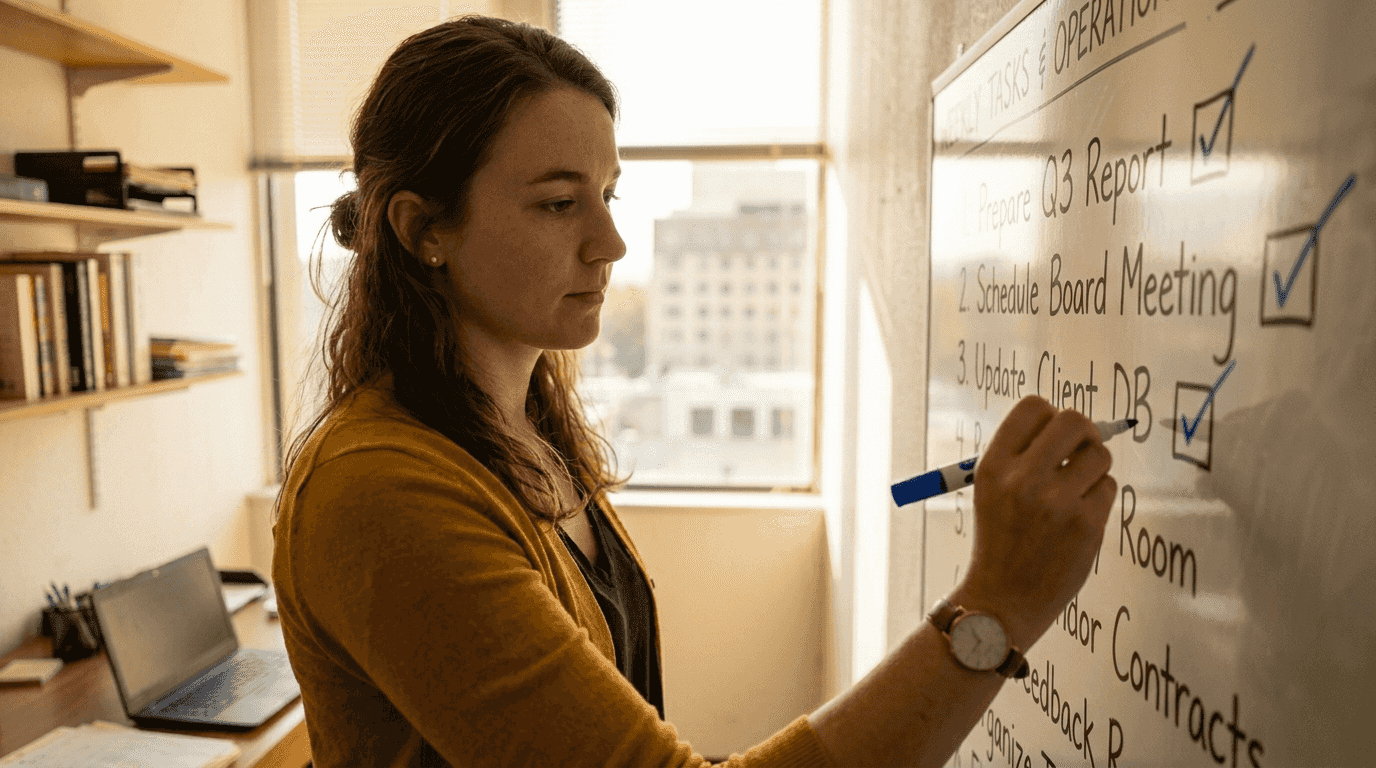
Create a detailed checklist covering every office zone. Break down tasks by area such as workstations, conference rooms, break rooms, and restrooms. Assign time estimates to each task based on space size and cleaning intensity required. This planning reveals whether you need additional resources or adjusted schedules.
Pro Tip: Color-code cleaning tools by area to prevent cross-contamination. Use blue cloths for general surfaces, red for restrooms, and green for food preparation areas.
Review office cleaning best practices and standard cleaning step by step guides to refine your preparation. These resources provide tested frameworks that prevent common mistakes and streamline your setup process. Preparation time invested upfront saves hours during execution and prevents costly oversights.
Execution: step-by-step cleaning process for offices
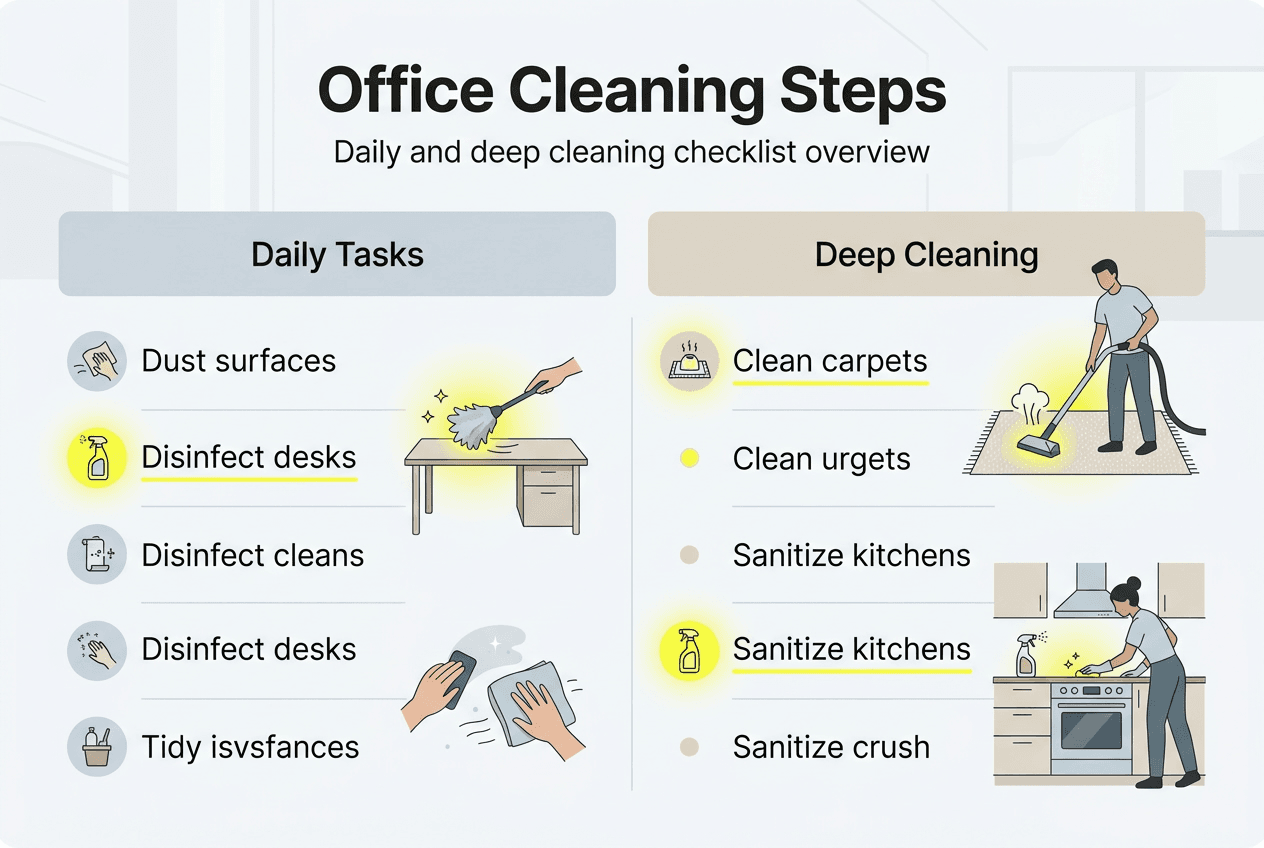
Executing your cleaning process requires methodical attention to detail and consistent technique. Follow this sequence to ensure comprehensive coverage without missing critical areas. Start from top to bottom and work from cleanest to dirtiest zones to prevent recontamination.
Begin with high dusting of vents, light fixtures, and ceiling corners using extendable microfiber tools
Wipe down all horizontal surfaces including desks, shelves, and windowsills moving from back to front
Disinfect high-touch points like door handles, light switches, keyboards, and phone handsets
Empty all trash receptacles and replace liners, wiping down bin exteriors
Clean glass surfaces including windows, partitions, and mirrors using streak-free solutions
Vacuum carpeted areas thoroughly, paying extra attention to high-traffic paths and under desks
Mop hard floors with appropriate cleaning solutions, starting from farthest corner toward exit
Sanitize restroom fixtures, toilets, sinks, and dispensers with dedicated cleaning tools
Restock consumables like paper towels, toilet paper, and hand soap
Perform final walkthrough to verify completion and address any missed spots
The flexible cleaning approach matters because office needs change. Adapt your process when special events occur, seasonal illnesses spike, or occupancy patterns shift. Flexibility doesn’t mean inconsistency; it means intelligent adjustment while maintaining core standards.
Task Category | Routine Cleaning Frequency | Deep Cleaning Frequency |
Surface dusting | Daily | Weekly |
High-touch disinfection | Multiple times daily | Daily |
Carpet vacuuming | Daily | Weekly with extraction |
Floor mopping | Daily | Weekly with scrubbing |
Restroom sanitation | Multiple times daily | Daily with detail work |
Window cleaning | Weekly | Monthly |
Reference the office cleaning workflow step by step and step by step office cleaning resources for visual guides and additional technique details. These materials help train new cleaning staff and maintain consistency across team members.
Pro Tip: Keep a spray bottle of disinfectant and microfiber cloths at reception for quick touch-ups between scheduled cleanings when unexpected visitors arrive.
Microfiber cloths outperform traditional cotton because they trap particles rather than spreading them. Use separate cloths for different tasks and wash them after each use to prevent bacterial growth. Eco-friendly disinfectants protect both employee health and environmental sustainability while delivering effective germ elimination.
Timing matters significantly for execution quality. Rushing through tasks to meet arbitrary deadlines compromises thoroughness. Allocate realistic time blocks for each area based on size and complexity. A 2,000 square foot office typically requires 90 to 120 minutes for routine cleaning and three to four hours for deep cleaning sessions.
Verification and maintaining cleaning standards over time
Verification ensures your cleaning process delivers consistent results rather than declining over time. Without systematic checks, standards gradually slip as shortcuts become habits. Implement multiple verification methods to catch issues early and maintain accountability.
Use detailed checklists to confirm completion of every task. Digital checklist apps allow real-time tracking and photo documentation of problem areas. Review completed checklists weekly to identify patterns like repeatedly missed tasks or areas requiring additional attention. This data reveals whether you need process adjustments or additional training.
Schedule periodic deep cleaning to address accumulation that routine cleaning misses. Deep cleaning tackles baseboards, behind furniture, air vents, and other neglected zones. Most offices benefit from quarterly deep cleaning sessions, though high-traffic environments may require monthly intensive cleaning.
Establish these verification practices:
Daily spot checks of high-visibility areas like reception and conference rooms
Weekly comprehensive inspections using standardized evaluation forms
Monthly meetings with cleaning staff to discuss challenges and improvements
Quarterly deep cleaning audits with detailed photography for comparison
Train everyone involved in cleaning on proper techniques and hygiene protocols. Training shouldn’t be a one-time event but an ongoing process that incorporates new products, updated regulations, and improved methods. Well-trained staff take pride in their work and maintain higher standards without constant supervision.
“Continuous improvement in cleaning standards requires regular feedback loops between management, cleaning staff, and employees. When everyone participates in maintaining cleanliness, standards remain consistently high.”
Solicit employee feedback through anonymous surveys or suggestion boxes. Staff working in the space daily notice issues that periodic inspections might miss. They can identify problem areas, suggest schedule adjustments, and confirm whether cleaning meets their needs. This input helps you refine processes and allocate resources effectively.
Review the maintain office hygiene benefits guide to understand long-term advantages of sustained cleaning standards. Consistency compounds over time, creating cumulative health and productivity benefits that justify ongoing investment.
Pro Tip: Photograph your office immediately after deep cleaning sessions to establish visual benchmarks. Compare current conditions to these reference photos during inspections to objectively assess whether standards are maintained.
Document everything related to your cleaning process including schedules, product usage, staff assignments, and inspection results. This documentation proves compliance during audits, helps troubleshoot problems, and provides data for budget planning. Digital record-keeping simplifies organization and enables trend analysis that reveals opportunities for efficiency improvements.
Discover professional cleaning services in St. Augustine and Ponte Vedra
Implementing a comprehensive cleaning process requires significant time, expertise, and resource investment. My Lemon Maids delivers professional office cleaning services tailored specifically for businesses in St. Augustine, Ponte Vedra, and Nocatee. Our trained teams follow systematic protocols that ensure consistent results without burdening your staff.
We understand the unique challenges office managers face balancing cleanliness with budget constraints and operational demands. Our deep cleaning services address accumulated grime and neglected areas, while routine commercial cleaning services maintain daily standards. Whether you need comprehensive coverage or targeted support, we customize solutions that fit your schedule and requirements. Contact us to discuss how professional cleaning can enhance your workplace environment and free your team to focus on core business activities.
FAQ
What frequency of cleaning is best for offices?
Daily light cleaning combined with weekly deep cleaning works well for most office environments. High-traffic areas like reception and restrooms benefit from multiple daily cleanings, while private offices may only need daily surface wiping. Adjust frequency based on occupancy levels, with busy periods requiring more intensive schedules. Monitor cleanliness between sessions and increase frequency if standards slip before the next scheduled cleaning.
How can office managers ensure cleaning compliance?
Implement detailed checklists that cleaning staff must complete and sign after each session. Conduct random spot inspections at varying times to verify task completion and quality standards. Establish clear protocols in writing with specific expectations for each area and task. Schedule monthly review meetings with cleaning teams to address issues, provide feedback, and reinforce standards through ongoing communication.
What are common mistakes in standard office cleaning?
Neglecting high-touch surfaces like keyboards, phone handsets, and shared equipment allows germ transmission to continue unchecked. Skipping deep cleaning sessions causes gradual accumulation that routine cleaning cannot address. Using incorrect cleaning agents damages surfaces or fails to disinfect properly. Ignoring occupancy schedules disrupts staff productivity and prevents thorough cleaning of occupied spaces.
How does cleaning impact employee productivity?
Clean environments reduce illness transmission that causes absenteeism and presenteeism where sick employees work at reduced capacity. Employees in well-maintained spaces report higher job satisfaction and experience fewer distractions from clutter or odors. A healthier office atmosphere boosts morale as staff recognize management’s investment in their wellbeing. Consistent cleanliness also reduces allergens and irritants that cause discomfort and concentration problems during work hours.
Recommended
Comments