Standard Cleaning Explained: Impact on Property Value
- jeffwashausen
- Feb 3
- 7 min read

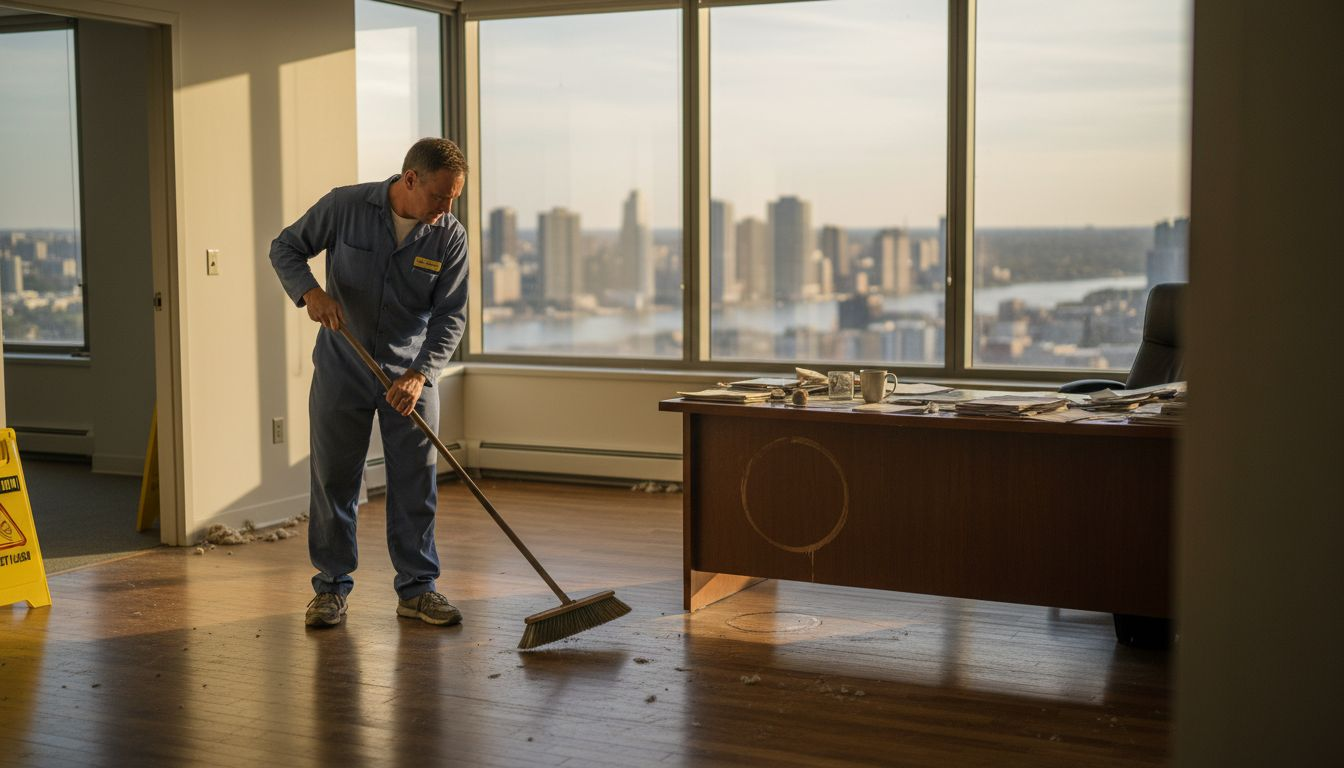
Managing properties in St. Augustine, Ponte Vedra, and Nocatee means facing constant challenges with surface cleanliness and tenant expectations. Effective standard cleaning is more than wiping away dirt, it is a proven method for reducing the spread of germs and preventing property wear. By focusing on systematic cleaning procedures, property managers can safeguard tenant satisfaction while keeping maintenance costs in check and preserving long-term asset value.
Table of Contents
Key Takeaways
Point | Details |
Standard Cleaning is Essential | It involves systematic maintenance to remove dirt and reduce microbial contamination in residential and commercial spaces. |
Difference Between Cleaning Methods | Standard cleaning focuses on surface maintenance, while deep cleaning addresses hidden grime and intensive sanitization. |
Importance of Regulatory Compliance | Adhering to regulations ensures safety and effectiveness in cleaning practices, protecting public health and property integrity. |
Preventative Maintenance Saves Costs | Establishing consistent cleaning schedules and proper training reduces long-term repair costs and maintains property value. |
Defining Standard Cleaning and Its Role
Standard cleaning represents a fundamental approach to maintaining hygiene and preserving property conditions. At its core, this process involves systematically removing dirt, dust, and surface-level contaminants through methodical cleaning techniques using basic tools and cleaning agents.
According to the Centers for Disease Control, standard cleaning is a critical first step in environmental hygiene, focused on removing germs and impurities from surfaces. This process goes beyond simple aesthetic improvement and serves several essential functions:
Physically removes visible dirt and debris
Reduces microbial contamination on surfaces
Prepares environments for deeper sanitization
Prevents potential spread of infectious agents
Maintains overall surface and material integrity
The role of standard cleaning extends far beyond surface appearance. Professional cleaning protocols recognize it as a systematic procedure designed to:
Reduce environmental microbial loads
Minimize potential infection transmission
Maintain safe, hygienic living and working spaces
Protect property surfaces from long-term degradation
Standard cleaning differs fundamentally from deep cleaning or disinfection. While deep cleaning addresses embedded grime and disinfection kills microorganisms, standard cleaning focuses on surface-level maintenance and contamination reduction. This approach makes it an essential routine for residential and commercial spaces seeking consistent cleanliness.
Pro tip: Establish a consistent standard cleaning schedule to prevent dirt accumulation and maintain optimal property conditions.
Essential Tasks in Standard Cleaning Protocol
Standard cleaning protocols demand a systematic and comprehensive approach to maintaining clean, hygienic environments across residential and commercial spaces. These protocols encompass a structured set of tasks designed to effectively remove dirt, reduce microbial contamination, and preserve surface conditions.
Universities and safety organizations emphasize critical cleaning procedural steps that form the foundation of standard cleaning. The essential tasks typically include:
Gathering appropriate cleaning supplies and personal protective equipment (PPE)
Identifying and targeting high-touch surfaces
Systematic dusting of surfaces and furniture
Waste removal and bin sanitation
Thorough floor cleaning (vacuuming, mopping)
Surface disinfection with appropriate dwell times
The cleaning process requires meticulous attention to detail and follows a specific sequence to prevent cross-contamination. High-touch surfaces demand special focus, including:
Doorknobs and handles
Light switches
Telephones and computer peripherals
Countertops and desks
Shared equipment and appliances
Professional cleaning protocols also emphasize the importance of using EPA-approved cleaning agents and following manufacturer guidelines for both cleaning tools and surfaces. This ensures not just aesthetic cleanliness, but also maintains the integrity of different materials and surfaces.
Effective standard cleaning is about systematic approach, not just surface appearance.
Pro tip: Develop a standardized cleaning checklist to ensure consistent and comprehensive coverage during each cleaning session.
Comparing Standard and Deep Cleaning Methods
Cleaning methodologies vary significantly in their approach, scope, and intensity, with standard and deep cleaning representing two distinct strategies for maintaining property hygiene and appearance. While both methods aim to create clean environments, they differ substantially in their execution and purpose.
According to the Centers for Disease Control, cleaning methods target different contamination levels. Standard cleaning involves routine maintenance focusing on surface-level dirt removal, while deep cleaning provides comprehensive sanitization across all areas:
Standard Cleaning Characteristics:
Quick, frequent tasks
Surface-level dirt removal
Routine maintenance
Focuses on visible and accessible areas
Deep Cleaning Characteristics:
Intensive, periodic process
Comprehensive contamination removal
Targets hard-to-reach areas
Includes detailed sanitization
The primary differences between standard and deep cleaning extend beyond mere surface appearance. Professional cleaning protocols highlight key distinctions:
Frequency of service
Depth of cleaning
Equipment and chemical requirements
Time investment
Comprehensive coverage
Deep cleaning goes beyond routine maintenance to provide thorough environmental restoration.
Property managers and homeowners must understand that while standard cleaning maintains day-to-day hygiene, deep cleaning addresses accumulated grime and potential microbial buildup that regular cleaning cannot effectively manage.
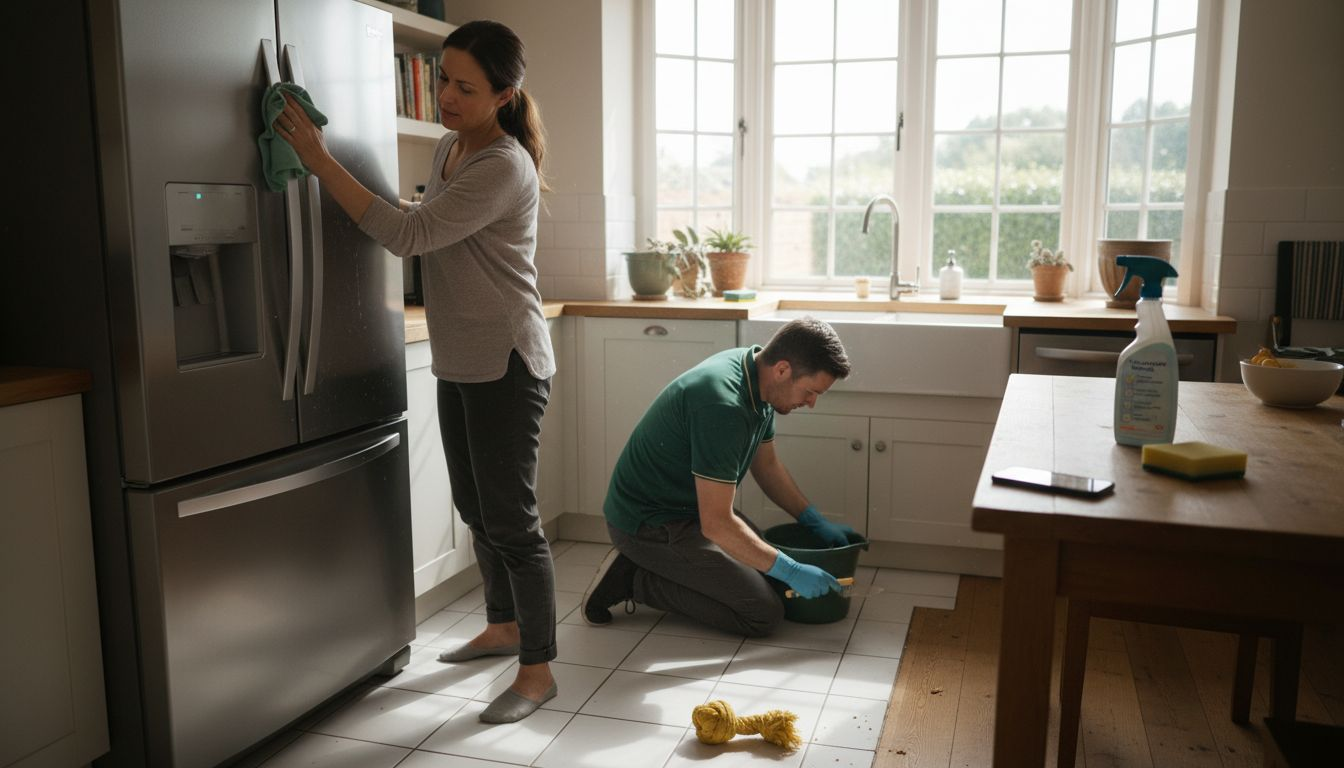
Here’s a comparison of standard and deep cleaning to help clarify when each approach is most appropriate:
Criteria | Standard Cleaning | Deep Cleaning |
Purpose | Routine hygiene maintenance | Intensive contamination removal |
Frequency | Daily or weekly | Quarterly or biannually |
Typical Tools Used | Basic cleaning equipment | Specialized tools and machines |
Impact on Property Value | Preserves surface quality | Restores like-new appearance |
Pro tip: Schedule deep cleaning services periodically to complement your regular standard cleaning routine and maintain optimal property conditions.
Regulatory Guidelines and Safety Standards
Cleaning services and property maintenance are governed by a complex network of federal, state, and local regulations designed to ensure public health, safety, and environmental protection. These guidelines establish critical standards for chemical usage, waste management, and cleaning practices across residential and commercial environments.
The Environmental Protection Agency provides comprehensive guidance for environmental safety standards in cleaning protocols. Regulatory requirements encompass several key areas of focus:
Chemical Product Compliance
Approved cleaning agent classifications
Safe handling procedures
Environmental impact assessments
Worker Safety Standards
Personal protective equipment requirements
Chemical exposure limits
Training and certification protocols
Waste Disposal Regulations
Proper chemical and cleaning material disposal
Recycling and environmental conservation guidelines
The International Property Maintenance Code establishes fundamental standards for property cleanliness and maintenance, ensuring that cleaning practices meet rigorous public health criteria:
Establish minimum sanitation requirements
Define acceptable cleanliness standards
Protect occupant health and safety
Create consistent maintenance benchmarks
Support legal compliance frameworks
Regulatory standards transform cleaning from a simple task to a systematic health protection strategy.
Professional cleaning organizations must navigate these complex guidelines, balancing effectiveness with strict safety and environmental considerations. Compliance requires ongoing education, precise documentation, and a commitment to best practices.
Below is a summary of common regulatory focus areas and their practical effects on cleaning protocols:
Regulatory Focus Area | Practical Effect on Cleaning Protocols |
Chemical Safety | Ensures safe agent selection and use |
Worker Training | Improves staff safety and process consistency |
Waste Management | Reduces environmental risks and legal exposure |
Maintenance Documentation | Supports audits and compliance verification |
Pro tip: Maintain updated documentation of cleaning protocols, chemical inventories, and safety training to ensure continuous regulatory compliance.
Cost Implications and Mistakes to Avoid
Property maintenance and cleaning strategies directly impact long-term financial sustainability, with potential cost consequences that extend far beyond immediate cleaning expenses. Understanding the nuanced economic landscape of cleaning is critical for property managers seeking to optimize their investment and preserve asset value.
Research from facility management experts highlights critical maintenance benchmarking strategies that reveal significant cost implications in cleaning protocols. Common costly mistakes in property maintenance include:
Financial Pitfalls:
Inconsistent cleaning schedules
Improper chemical usage
Neglecting preventative maintenance
Delayed repair interventions
Inadequate personnel training
Long-Term Cost Escalation Factors:
Surface degradation
Accelerated asset depreciation
Increased repair complexity
Reduced property marketability
Health and safety compliance risks
Property maintenance experts emphasize several critical strategies to mitigate unnecessary expenses:
Implement systematic cleaning schedules
Invest in professional training
Use appropriate cleaning technologies
Document maintenance procedures
Conduct regular performance assessments
Preventative maintenance is significantly more cost-effective than reactive repair strategies.
Financial risks associated with poor cleaning practices extend beyond immediate repair costs, potentially impacting property valuation, tenant satisfaction, and long-term asset performance. Professional property managers must adopt a holistic approach that balances immediate cleaning needs with strategic long-term maintenance planning.
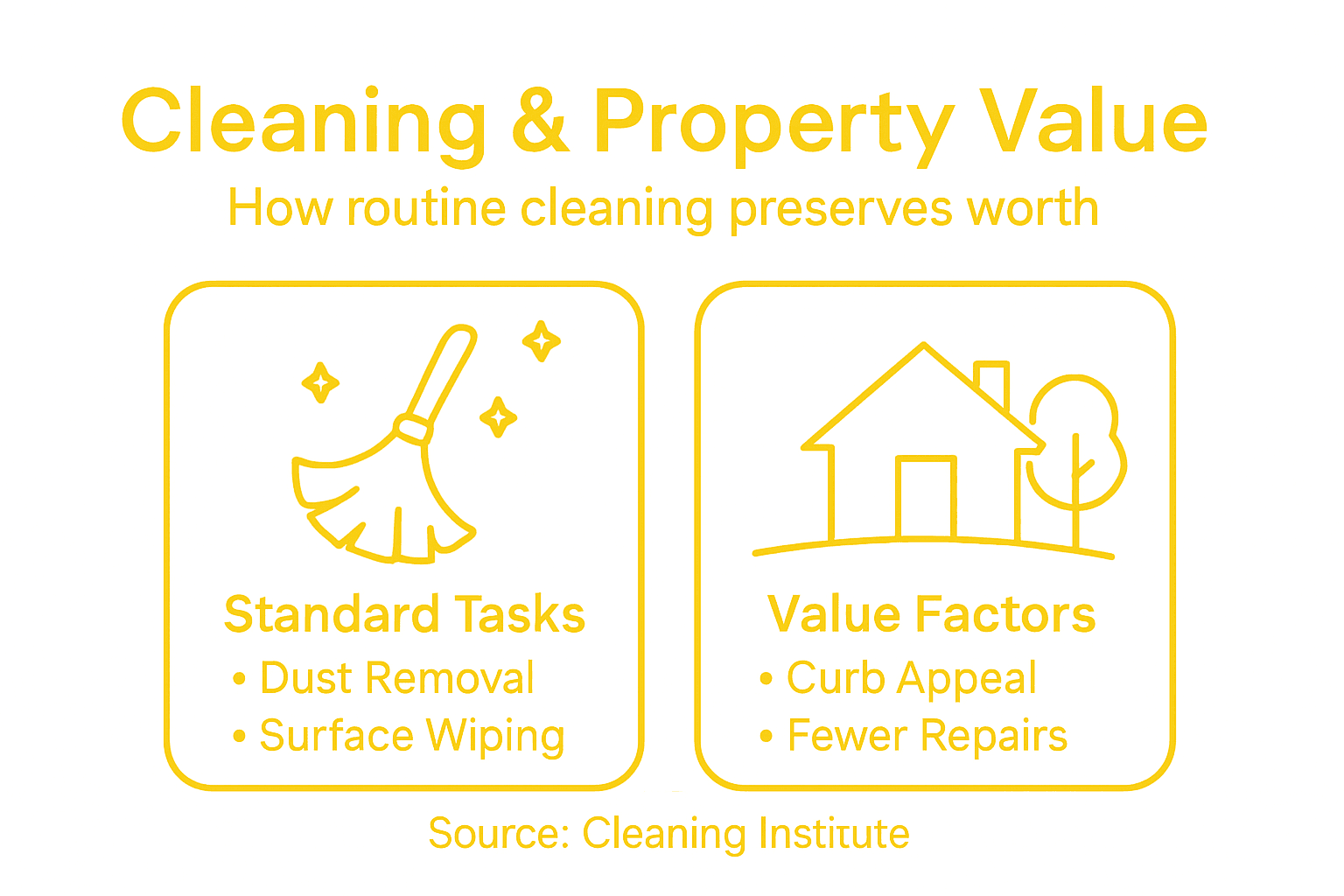
Pro tip: Develop a comprehensive maintenance budget that allocates resources for both routine cleaning and periodic deep cleaning to prevent costly long-term damage.
Protect Your Property Value with Expert Standard Cleaning
Understanding the importance of standard cleaning in preserving property value means knowing how to tackle dirt, germs, and contamination before they cause costly damage. If inconsistent cleaning has left your spaces vulnerable to surface degradation or microbial buildup, it is time to take control with a proven cleaning partner. Regular, thorough cleaning routines reduce risks, maintain hygiene, and protect your investment from rapid depreciation.
Take the first step to safeguard your home or business with professional cleaning services tailored to your needs. Whether you require deep cleaning or reliable routine maintenance, My Lemon Maids offers expert solutions in residential and commercial spaces. Discover how our trusted standard cleaning and deep cleaning services can help you avoid costly repairs and keep your property in top condition. Visit us today and schedule your cleaning to experience the difference that consistent care delivers.
Frequently Asked Questions
What is standard cleaning?
Standard cleaning is a systematic approach to maintaining hygiene by removing dirt, dust, and surface-level contaminants from various surfaces using basic cleaning tools and agents.
How does standard cleaning differ from deep cleaning?
Standard cleaning focuses on routine maintenance and surface-level dirt removal, while deep cleaning involves intensive, periodic cleaning that targets hard-to-reach areas and comprehensive contamination removal.
What are the essential tasks involved in standard cleaning?
Essential tasks in standard cleaning include gathering cleaning supplies, targeting high-touch surfaces, dusting, waste removal, floor cleaning, and surface disinfection to ensure a hygienic environment.
Why is standard cleaning important for property value?
Standard cleaning helps preserve the condition of surfaces, reduces microbial contamination, and minimizes the risk of repairs due to neglect, ultimately supporting property value by maintaining a clean and safe environment.
Recommended
Comments