Professional Post Construction Cleaning—Why It Matters
- support760146
- Feb 20
- 10 min read
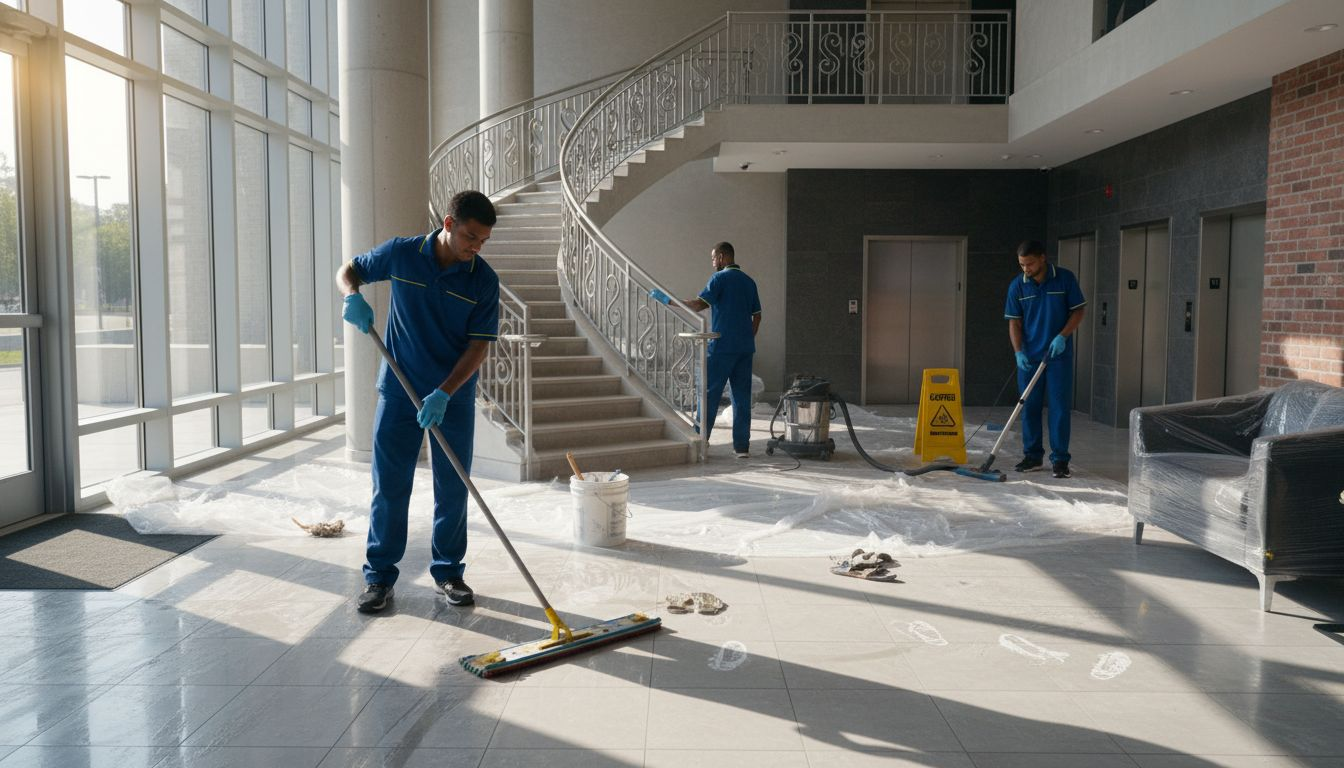
Every finishing project in St. Augustine creates layers of dust, debris, and residue that linger far beyond the last nail. For property managers and developers, making a site market-ready means tackling more than visible mess—it’s about restoring indoor quality and protecting new finishes. Learn how comprehensive post construction cleaning shapes tenant impressions, speeds up occupancy, and safeguards your investment from hidden contaminants and compliance pitfalls.
Table of Contents
Key Takeaways
Point | Details |
Comprehensive Cleaning Process | Post construction cleaning involves systematic debris removal, dust elimination, and thorough sanitation to ensure a market-ready property. |
Importance of Timing | Scheduling cleaning near the end of construction helps prevent recontamination and ensures timely occupancy. |
Tailored Cleaning Services | Different properties require specialized cleaning approaches to address unique challenges, such as environmental conditions in St. Augustine. |
Cost and Compliance Factors | Understanding labor costs, safety protocols, and regulatory compliance is essential to prevent budget surprises and legal liabilities. |
What Professional Post Construction Cleaning Involves
Professional post construction cleaning is far more than sweeping up debris. It’s a comprehensive restoration process that transforms a construction site into a market-ready property. For property managers and developers in St. Augustine managing residential or commercial projects, understanding what this service entails directly impacts your timeline to occupancy and tenant satisfaction.
The process begins with systematic debris removal. Construction sites generate massive amounts of waste—drywall scraps, packaging materials, concrete dust, and leftover supplies accumulate throughout the building. Professional crews remove all loose debris before moving into detailed cleaning phases.
Next comes dust and particle elimination. Construction generates fine dust that settles everywhere—on surfaces, inside fixtures, within ventilation systems, and on walls. Following proper cleaning techniques, professionals use appropriate equipment to eliminate particles without damaging newly installed materials or compromising indoor air quality.
Here’s what a complete post construction cleaning typically covers:
Remove all construction debris and waste materials
Vacuum and sweep all floors, including hard-to-reach areas
Wipe down walls, fixtures, and architectural surfaces
Clean windows, glass, and transparent surfaces inside and out
Scrub bathrooms, kitchens, and utility areas thoroughly
Sanitize work areas and high-touch surfaces
Polish finished surfaces like countertops and flooring
Clean out vents, ducts, and HVAC systems
Surface protection matters significantly during this phase. Different materials—hardwood floors, tile, stone, new paint—each require specific cleaning approaches. Using the wrong method or harsh chemicals can damage finishes or create costly repairs.
Professional teams also manage construction residue removal. Leftover adhesives, caulk, paint splatters, and protective coatings must be removed carefully. In St. Augustine’s climate, salt residue and humidity-related deposits add another layer of complexity to thorough cleaning.
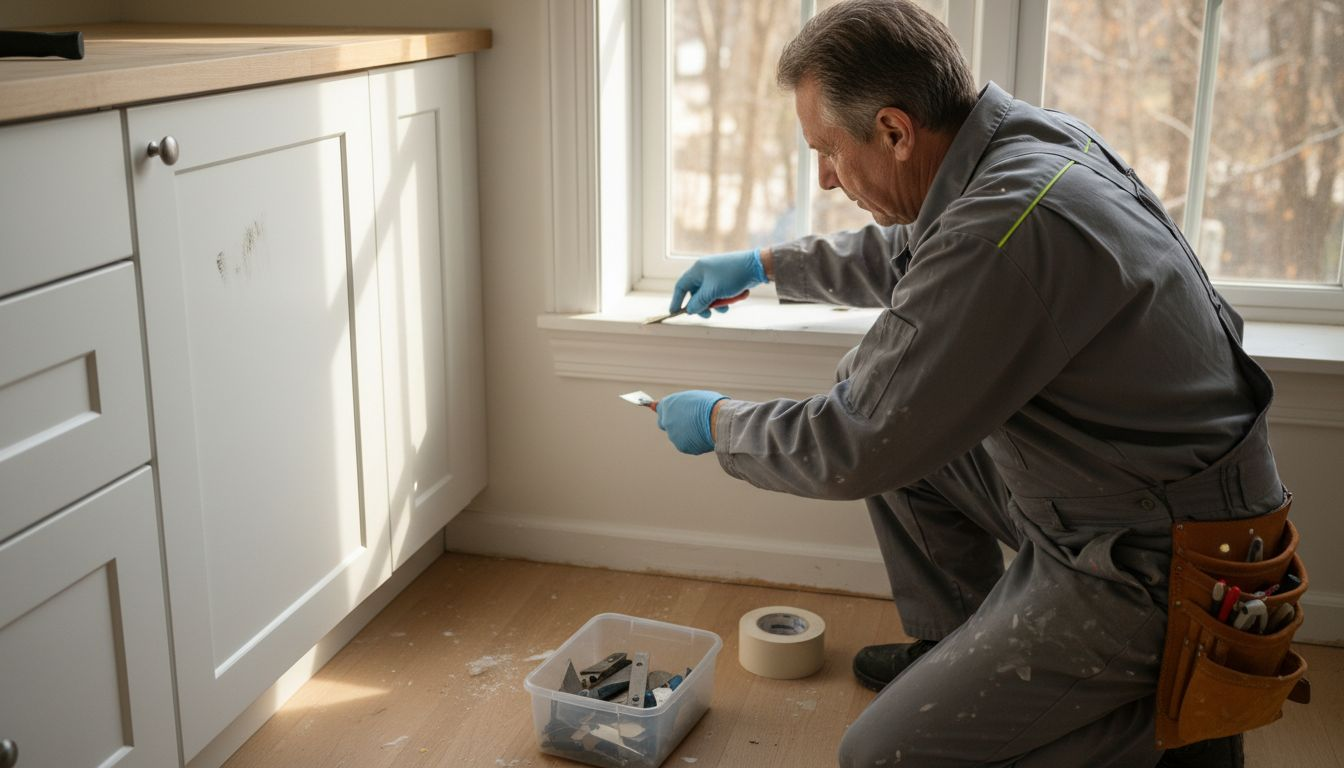
Managing construction waste responsibly also ensures compliance with local environmental regulations. Your cleaning service should dispose of materials appropriately, not simply haul everything to a landfill.
For multi-unit or commercial properties, this process prepares units for tenant move-in or leasing. A properly cleaned space significantly impacts first impressions and occupancy rates.
Professional post construction cleaning removes not just visible debris, but the hidden dust and contaminants that affect air quality and property readiness.
Timing is critical. Scheduling cleaning near the end of construction prevents recontamination during final trades work. In Florida’s humid environment, delaying cleaning can lead to dust settling differently or moisture-related issues developing.
Pro tip: Schedule your post construction cleaning only after final inspections and once all construction crews have completed their work—not before. This prevents wasting time cleaning spaces that will be disturbed again.
Types Of Post Construction Cleaning Services
Post construction cleaning isn’t one-size-fits-all. Different projects require different approaches depending on the construction phase, property type, and specific challenges. For St. Augustine property managers handling residential, commercial, or mixed-use developments, knowing which service type fits your project timeline and budget matters significantly.
The main service categories break down into distinct phases. Each addresses different cleaning needs as construction progresses from rough framing through final occupancy preparations.
Rough cleaning comes first, typically during or right after major construction work. This phase focuses on removing large debris—drywall scraps, lumber pieces, packaging materials, and excess dust accumulation. Crews use industrial vacuums and heavy-duty equipment to handle the volume. This isn’t detailed work; it’s about clearing the site so finishing trades can proceed safely.
Then comes final cleaning, the most detailed phase. Here professionals tackle every surface, fixture, and finish. Windows get polished, trim gets wiped down, appliances get cleaned inside and out, and floors get prepared for occupancy. This is where your property transforms from a construction zone into a presentable space.
Specialized cleaning services address specific areas that require expertise:
HVAC duct and system cleaning to ensure air quality
Window and glass cleaning, including hard-to-reach exterior areas
Floor polishing and finishing for different materials
Bathroom and kitchen deep sanitization
High-touch surface disinfection for health compliance
Exterior pressure washing and debris removal
Different property types need tailored approaches. Residential properties require different cleaning strategies than commercial spaces, which differ from industrial facilities. Residential focus on detail and finish quality, while commercial cleaning emphasizes efficiency and occupancy readiness.
Here’s a quick comparison of main post construction cleaning service types and their business impacts:
Service Type | Typical Timing | Primary Benefit | Impact on Occupancy |
Rough Cleaning | Mid-project phase | Removes large debris fast | Enables safe finishing |
Final Cleaning | Pre-occupancy | Details all surfaces | Boosts move-in appeal |
Specialized Cleaning | As needed | Solves air, hygiene issues | Ensures regulatory compliance |
The right cleaning service type depends on your construction timeline, property complexity, and occupancy requirements.
Many developers combine service types strategically. You might schedule rough cleaning mid-project, then final cleaning closer to move-in. This approach prevents recontamination and maximizes your construction crews’ efficiency while keeping your timeline on track.
Hazardous material removal may also be necessary depending on your project scope. Some construction projects generate materials requiring specialized disposal procedures under Florida environmental regulations.
St. Augustine’s coastal climate adds complexity. Salt residue, humidity-related deposits, and moisture management require specialized techniques that general cleaning services might miss. Your cleaning provider should understand Florida-specific environmental challenges.
Pro tip: Clarify which service type you need before hiring—rough cleaning, final cleaning, or a combination—and confirm your cleaning company understands your specific timeline and occupancy date.
Key Steps And Processes Explained
Post construction cleaning follows a logical sequence designed to systematically remove debris, dust, and contaminants while protecting newly finished surfaces. Understanding these steps helps you monitor the work and ensures your St. Augustine property reaches occupancy standards on schedule.
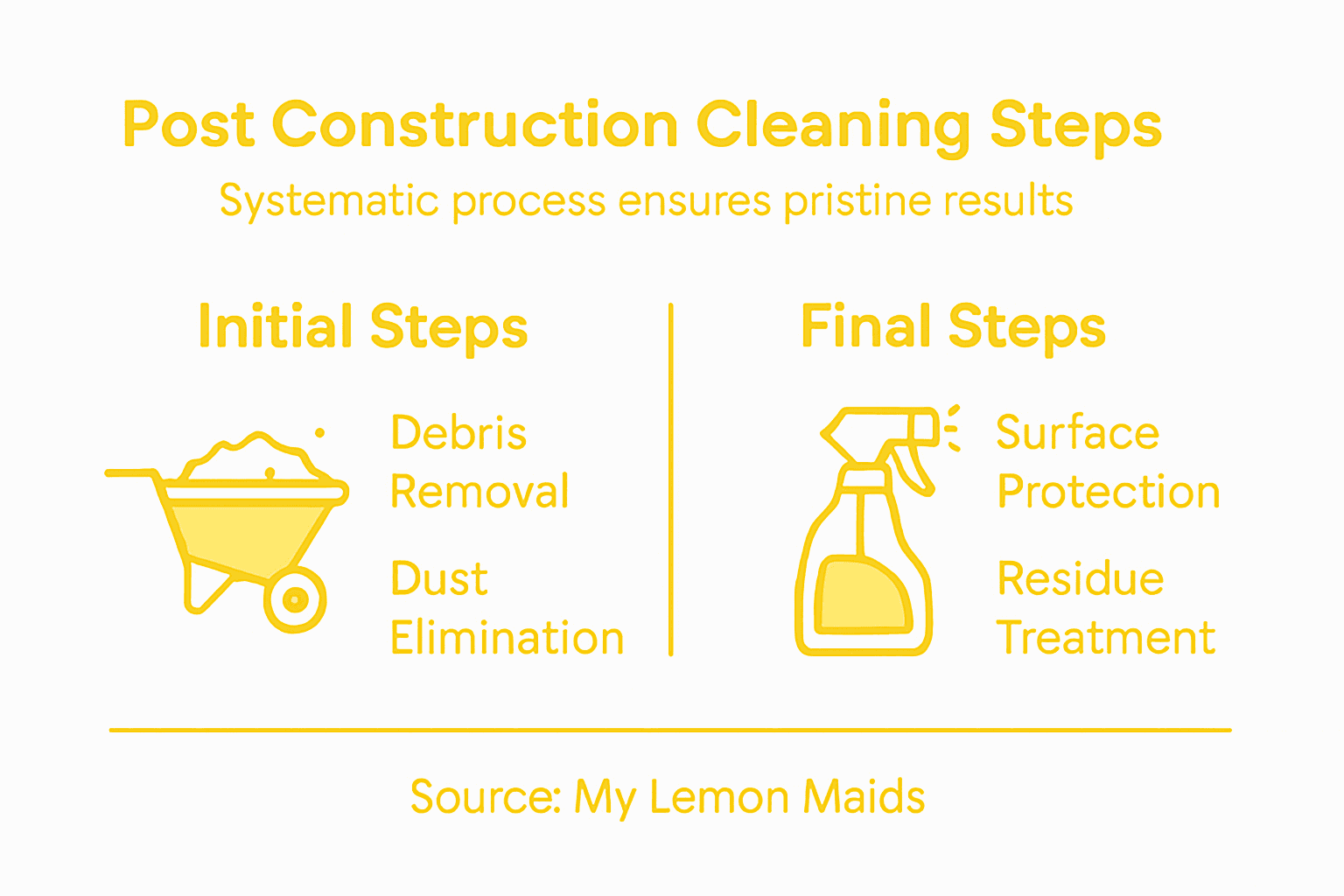
The process starts with initial debris removal and site clearance. Crews remove large construction waste—drywall scraps, lumber, packaging, and abandoned materials—before touching anything else. This step makes subsequent cleaning phases more efficient and safer for workers.
Next comes dust suppression and containment. Construction dust penetrates everywhere—walls, fixtures, ventilation systems, and air vents. Professional teams use industrial-grade vacuum systems and containment strategies to prevent dust from spreading throughout the building during cleaning.
Detailed surface cleaning follows systematic stages:
Vacuum all floors, carpets, and horizontal surfaces thoroughly
Wipe down walls, baseboards, and trim with appropriate cleaning solutions
Clean windows, glass doors, and transparent surfaces inside and out
Scrub bathrooms and kitchens, including fixtures and appliances
Polish countertops, flooring, and other finished surfaces
Address remaining paint splatters, adhesive residue, and construction marks
HVAC and ventilation system attention proves critical in Florida’s humid climate. Dust suppression and containment must address ductwork and air systems to ensure indoor air quality meets occupancy standards. Clogged vents force systems to work harder and reduce efficiency.
Chemical cleaning uses appropriate detergents and solvents selected based on surface materials. Different finishes—hardwood, tile, stone, new paint—require specific cleaning agents to avoid damage or streaking.
Final inspections verify cleanliness standards before project closeout. Your property manager or developer should conduct a walkthrough using a detailed checklist. This catches missed areas before tenants arrive.
Systematic, methodical cleaning prevents costly rework and ensures your property meets quality expectations before occupancy.
Waste management runs parallel throughout. Construction debris gets sorted, recycled where possible, and disposed of responsibly according to Florida environmental regulations. Improper disposal creates liability issues and regulatory violations.
Timing matters significantly. Rushing these steps results in missed spots, dust migration, and potential air quality issues. Conversely, scheduling cleaning before final construction work completes wastes time and money.
Pro tip: Require your cleaning contractor to provide before-and-after photos and a detailed completion checklist—this creates accountability and gives you documentation for your records.
Costs, Risks, And Compliance Issues
Post construction cleaning involves real financial commitments, worker safety risks, and regulatory obligations. For St. Augustine property managers and developers, understanding these factors prevents budget surprises, legal liability, and project delays.
Cost structure varies significantly based on project size, property type, and service complexity. Labor represents the largest expense—professional crews charge hourly or per-square-foot rates depending on scope. Equipment rental, specialized materials, and waste disposal fees add to the total bill.
Typical cost components include:
Labor for debris removal and detailed cleaning
Industrial equipment rental and operation
Specialized cleaning materials and chemical supplies
Hazardous waste disposal and environmental compliance fees
Transportation and site management coordination
For a 10,000-square-foot commercial property in St. Augustine, expect post construction cleaning to range from $2,000 to $5,000, depending on construction intensity and finish complexity. Rough cleaning alone costs less than final cleaning requiring detailed surface work.
Safety risks demand serious attention. Workers face exposure to hazardous dust, chemical residues, and injury risks during debris removal and surface cleaning. Proper protective equipment, training, and protocols minimize these dangers but require investment.
Your cleaning contractor must carry appropriate liability insurance and workers’ compensation coverage. This protects your property if something goes wrong during the process.
Compliance issues carry significant weight. Florida environmental regulations govern construction waste disposal, hazardous material handling, and waste stream management. Improper disposal creates environmental violations and legal liability for your company.
Indoor air quality standards require attention to dust control and HVAC system cleanliness before occupancy. Occupational health and safety laws mandate worker protection measures. Missing these requirements delays occupancy approvals and creates regulatory penalties.
Non-compliance with environmental and safety regulations results in fines, project delays, and potential liability exposure that far exceeds cleaning costs.
Stormwater regulations in coastal Florida areas require special handling of construction runoff. Salt residue and moisture management in St. Augustine’s humid climate create additional compliance considerations that inland developers might overlook.
Require your cleaning contractor to provide proof of licensing, insurance, and environmental compliance certifications. Verify they understand Florida-specific regulations affecting your project type and location.
For easy reference, here’s a summary of key cost and risk factors in post construction cleaning:
Factor | Typical Impact | Why It Matters |
Labor Costs | Highest overall expense | Drives total budget |
Insurance | Protects from liabilities | Mitigates financial risk |
Compliance Fees | Regulatory requirements | Avoids fines and delays |
Safety Protocols | Prevents worker injuries | Supports legal compliance |
Pro tip: Include detailed cost estimates, safety protocols, and compliance documentation in your cleaning services contract—this creates accountability and protects your liability exposure if issues arise later.
Selecting A Reliable Post Construction Cleaner
Choosing the wrong cleaning contractor derails your project timeline, damages finishes, and creates liability exposure. For St. Augustine property managers and developers, selecting a reliable post construction cleaner directly impacts occupancy dates and tenant satisfaction.
Start by verifying credentials and experience. Ask how many commercial or residential post construction projects they’ve completed in Florida. Contractors familiar with St. Augustine’s coastal climate understand salt residue challenges and humidity-related complications that general cleaning companies miss.
Request and actually contact multiple references. Call three to five recent clients and ask specific questions about completion timelines, quality standards, and responsiveness to issues. Past clients reveal patterns you won’t see in marketing materials.
Critical evaluation points include:
Active Florida business license and local permits
General liability insurance with coverage limits appropriate to project scope
Workers’ compensation insurance for all crew members
Environmental compliance certifications and waste disposal authorizations
Experience with safety standards and regulatory adherence
Detailed written cleaning protocols and quality control procedures
Insurance requirements deserve serious attention. Verify the contractor carries adequate liability coverage—not just the minimum legal requirement. Request certificates of insurance listing your project as an additional insured. This protects your company if accidents occur during cleaning.
Ask about waste management practices. A responsible contractor demonstrates environmental responsibility and regulatory compliance by explaining how they handle different waste streams, recycle materials, and dispose of hazardous residues according to Florida regulations.
Get detailed written estimates breaking down labor, equipment, materials, and disposal costs separately. Vague estimates hide surprises later. Compare proposals from at least three contractors—the cheapest option often cuts corners on safety or quality.
A reliable post construction cleaner provides references, documentation, clear pricing, and demonstrates genuine knowledge of your specific project requirements.
During initial conversations, notice how they respond to your questions about timelines, compliance, and specific challenges. Do they ask about your project details, or do they provide generic answers?
Proper communication matters throughout the project. Will they provide daily updates? Who handles quality concerns? What happens if areas need re-cleaning?
Pro tip: Request a detailed cleaning checklist and completion inspection process in writing before work begins—then conduct your own walkthrough using that same checklist to verify quality and catch missed areas immediately.
Ensure Your Property Shines With Expert Post Construction Cleaning
After construction, the challenge is clear You need to remove all debris dust and contaminants without damaging your newly finished surfaces or delaying occupancy. The article highlights how critical comprehensive cleaning methods including debris removal dust suppression and specialized surface care are to achieving pristine results and maintaining air quality. By trusting professionals who understand these precise needs you protect your investment and impress future tenants or buyers.
At My Lemon Maids we specialize in thorough post construction cleaning designed to meet the exact demands of residential and commercial projects. Our team carefully clears construction waste employs safe and effective cleaning solutions and handles HVAC and surface care with the expertise every St. Augustine property deserves.

Ready to avoid costly delays and guarantee a spotless ready-to-occupy space? Discover our full range of services including deep cleaning and pressure washing to create an immaculate environment. Contact us today at My Lemon Maids and take the first step to exceptional post construction cleaning that gets your project done right and on time.
Frequently Asked Questions
What does professional post construction cleaning involve?
Professional post construction cleaning involves a thorough restoration process that includes debris removal, dust elimination, detailed surface cleaning, and sanitation of work areas. It transforms a construction site into a market-ready property.
Why is dust and particle elimination important after construction?
Dust and particles can settle on surfaces, fixtures, and within ventilation systems during construction. Eliminating these contaminants is crucial for maintaining indoor air quality and ensuring a clean, healthy environment for future occupants.
What are the different types of post construction cleaning services?
The main types of post construction cleaning services include rough cleaning, which focuses on large debris removal, and final cleaning, which involves detailed surface work in preparation for occupancy. Specialized cleaning services address specific needs such as HVAC cleaning and window washing.
How do costs for post construction cleaning vary?
The costs for post construction cleaning vary based on project size, property type, and complexity. Labor is typically the highest expense, with rates ranging depending on the scope of cleaning required. Additional factors include equipment rental and waste disposal fees.
Recommended