
Essential post construction cleaning steps for homeowners
- Glenn Brosnick
- Mar 24
- 9 min read
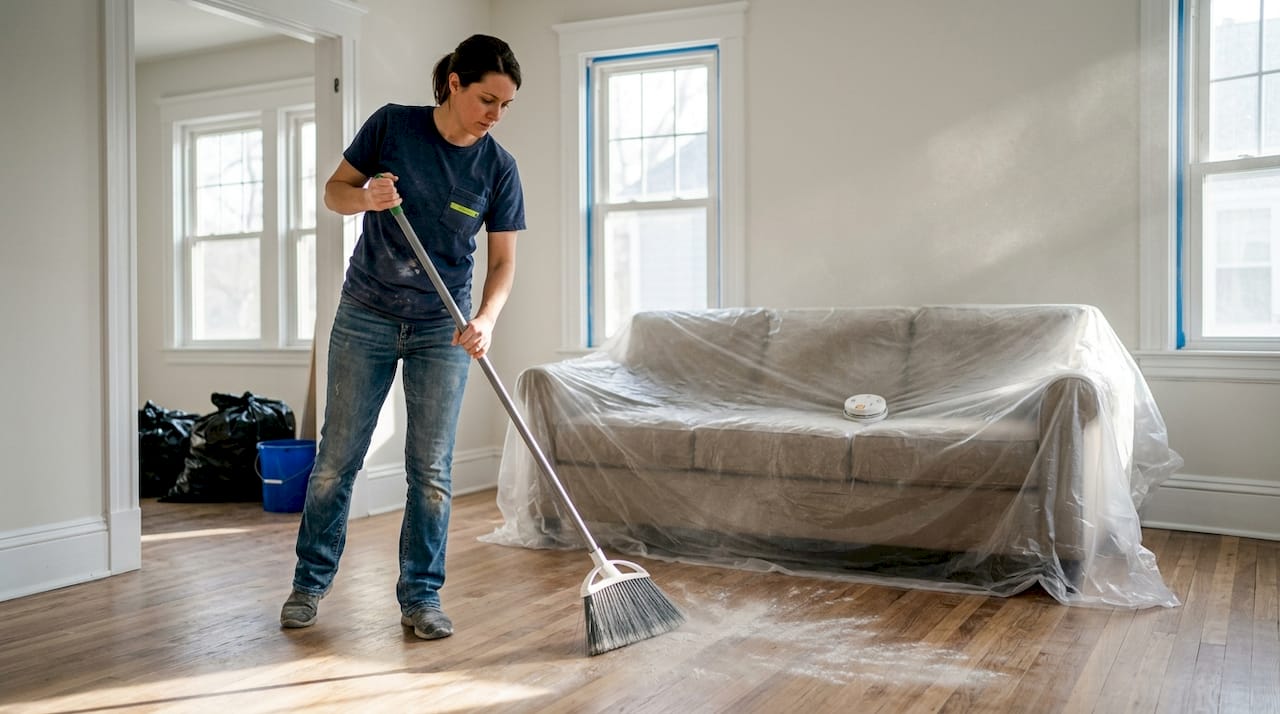
Completing a construction project brings excitement, but the aftermath often leaves homeowners and business managers facing a daunting cleanup challenge. Dust settles on every surface, debris clutters walkways, and fine particles infiltrate areas you never imagined. Following essential cleaning steps transforms this overwhelming task into a manageable process that saves time and ensures thorough results. This guide walks you through proven techniques that professionals use to deliver inspection-ready spaces efficiently, helping you avoid costly rework and enjoy your newly completed project sooner.
Table of Contents
Key Takeaways
Point | Details |
Phased cleaning approach | Post construction cleaning uses a three phase process to remove bulk debris, control dust, and polish for readiness. |
Top to bottom sequence | Starting at ceilings and vents and finishing with floors prevents rework by letting dust fall onto surfaces yet to be cleaned. |
Tools and PPE | Using HEPA vacuums, microfiber cloths, extension poles, and personal protective equipment improves safety and dust control during cleanup. |
Preparation and checks | Planning upfront and performing inspections before and after cleanup helps ensure nothing is missed and reduces callbacks. |
Exterior cleaning finishes | Completing exterior dusting and cleaning helps finish the project and minimizes indoor contamination. |
Understand the phased process of post-construction cleaning
Post-construction cleaning follows a three-phase process: rough clean to remove large debris, light clean for dust control and surfaces, and final clean involving detailing, sanitizing, and polishing. This structured approach prevents the frustration of re-cleaning areas and ensures every space receives appropriate attention at the right time.
The rough clean phase tackles the most visible mess first. You remove leftover construction materials, sweep up large debris, and strip away protective coverings from floors and fixtures. This phase creates a blank canvas for more detailed work and typically takes the most physical effort. Contractors often complete basic rough cleaning before leaving, but you will likely find additional materials that need removal.
During the light clean phase, you focus on dust removal from all surfaces and fixtures. Construction generates fine particles that settle everywhere, requiring professional post construction cleaning techniques to capture effectively. You vacuum with HEPA filters, wipe down walls and cabinets, and clean windows to remove the film that accumulates during construction. This phase demands patience because dust hides in unexpected places like light fixtures, vents, and window tracks.
The final clean phase involves detailed polishing, sanitizing high-touch areas, and preparing spaces for inspection or occupancy. You address any spots missed in earlier phases, ensure glass surfaces shine without streaks, and sanitize kitchens and bathrooms to health standards. Experts favor this phased approach over attempting a single deep cleaning session because it prevents overlooking areas and reduces the need for callbacks.
Rough clean establishes the foundation by removing bulk debris
Light clean systematically eliminates dust from all surfaces
Final clean adds polish and ensures inspection readiness
Phased approach saves time compared to random cleaning efforts
Follow a top-to-bottom cleaning sequence for maximum efficiency
Top-to-bottom cleaning sequence is essential to avoid re-cleaning: start with ceilings and vents, then walls and fixtures, finish with floors. Gravity works in your favor when you follow this pattern, allowing dust and debris to fall onto surfaces you have not yet cleaned rather than contaminating areas you already finished.
Start by addressing ceilings, air vents, and light fixtures where dust accumulates heavily during construction. Use extension poles with microfiber attachments to reach high areas safely without constantly moving ladders. Clean ceiling fans blade by blade, wipe down light fixtures, and vacuum vent covers thoroughly. Seal vents during this process to prevent dust from recirculating through your HVAC system and undoing your hard work.
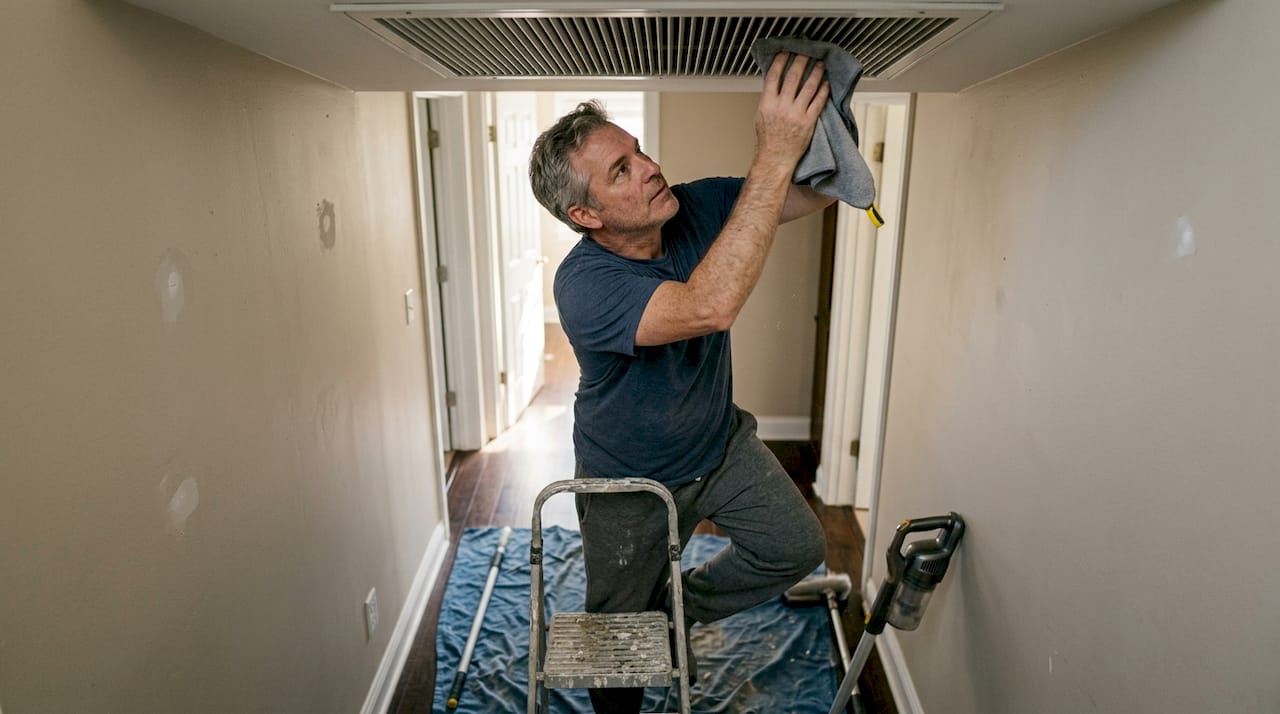
Move to walls, doors, windows, and cabinets once overhead areas are clean. Wipe walls from top to bottom using slightly damp microfiber cloths that capture dust instead of spreading it. Clean door frames, window sills, and cabinet exteriors methodically, paying special attention to corners where dust collects. Windows require both interior and exterior cleaning to remove construction film completely, and you may need multiple passes with fresh cleaning solution to achieve streak-free results.
Finish by thoroughly cleaning floors and baseboards, which collect everything that falls from above. Vacuum first with a HEPA filter vacuum to capture fine particles, then mop hard surfaces with appropriate cleaners. Baseboards often show paint splatters, adhesive residue, or scuff marks that need spot treatment with gentle solvents. Following this step by step deep cleaning guide ensures you complete each area once instead of revisiting cleaned spaces.
Ceiling and overhead fixtures come first to let debris fall
Walls and vertical surfaces follow in descending order
Floors and baseboards finish the sequence and catch everything
HEPA vacuums prevent fine dust from becoming airborne again
Pro Tip: Place drop cloths or plastic sheeting over finished floors when cleaning overhead areas to catch falling dust and debris, making final floor cleaning faster and easier.
Prepare and use proper equipment and safety measures
Verify that construction is complete and you have access to all necessary utilities before beginning your cleaning process. Confirm that electrical outlets work, water runs properly, and HVAC systems function so you can use your cleaning equipment effectively. Walk through the space to identify any remaining construction activity that might interfere with your cleaning or create additional dust.
Consolidate and remove debris before starting detailed cleaning work. Gather loose materials into designated areas, bag smaller items, and arrange for proper disposal of construction waste. This preparation prevents you from working around obstacles and reduces the risk of injury from sharp objects or unstable materials. Many municipalities require special handling for construction debris, so research local disposal regulations before hauling materials away.
Use HEPA vacuums and microfiber cloths for fine dust removal to prevent airborne particles and ensure inspection readiness. Standard vacuums lack the filtration to capture microscopic particles and may actually spread dust through exhaust. Microfiber cloths trap particles electrostatically rather than pushing them around like cotton rags do. Invest in quality equipment or rent professional-grade tools for large projects where purchase costs seem excessive.
PPE including gloves, masks, and eye protection protects you from irritation and injury while handling construction dust and cleaning chemicals. Construction dust contains silica, wood particles, and other irritants that cause respiratory problems with repeated exposure. Chemical cleaners required for tough stains can irritate skin and eyes. Step stools provide stable platforms for reaching high areas safely, reducing the temptation to overreach from unstable positions.
Confirm utility access and construction completion before starting
Remove bulk debris to create safe, efficient working conditions
Use HEPA filtration and microfiber materials for dust control
Wear appropriate PPE to protect respiratory system, skin, and eyes
Employ proper tools like step stools instead of improvising dangerously
Pro Tip: Change vacuum filters and cleaning cloths frequently during post-construction cleaning because they become saturated with fine dust quickly, losing effectiveness and potentially spreading particles instead of capturing them.
These construction cleaning dust removal tips help you maintain air quality while working and prevent dust from resettling on cleaned surfaces.
Complete with detailed final checks and exterior cleaning
Inspect all surfaces for remaining dust or marks once you believe interior cleaning is complete. Run your hand along shelves, window sills, and other horizontal surfaces to feel for grit that eyes might miss. Check behind doors, inside cabinets, and under sinks where dust hides. Look at surfaces from different angles and lighting conditions because dust and streaks appear differently depending on how light hits them.
Ensure glass surfaces are streak-free and clear by cleaning them multiple times if necessary. Windows, mirrors, and glass doors show every imperfection and often require several passes with fresh cleaning solution. Use a squeegee for large glass areas to achieve professional results, and buff with clean microfiber cloths to eliminate any remaining streaks. Natural light reveals problems that artificial lighting conceals, so perform final glass inspection during daylight hours.
Sanitize kitchen and restroom areas thoroughly because these spaces require hygiene standards beyond simple dust removal. Clean and disinfect countertops, sinks, toilets, and any surfaces that will contact food or skin. Pay special attention to faucets, cabinet pulls, and light switches that hands touch frequently. Use appropriate sanitizers for different surfaces, following product instructions for contact time to ensure effective disinfection.
Power wash driveways, patios, and exterior entryways to remove construction dust and debris that accumulates outdoors. Exterior cleaning dramatically improves curb appeal and completes the professional appearance of your project. Construction traffic grinds dirt and materials into concrete and pavement, requiring pressure washing to restore original appearance. Clean walkways, steps, and porches to eliminate slip hazards from dust and debris.
Use a final checklist to verify cleaning completion systematically rather than relying on memory. Document each area as you inspect it to prevent overlooking spaces. Take photos of completed areas for your records, which proves valuable if disputes arise about cleaning quality. This post construction cleaning checklist essential steps approach ensures nothing falls through the cracks.
Tactile inspection reveals dust that visual checks miss
Multiple glass cleaning passes achieve streak-free results
Sanitization in kitchens and bathrooms meets health standards
Exterior power washing completes the professional appearance
Documented checklists prevent overlooked areas and prove thoroughness
Inspection Area | What to Check | Pass Criteria |
All surfaces | Dust, marks, residue | Clean to touch, visually spotless |
Glass and mirrors | Streaks, smudges, film | Clear reflection, no visible marks |
Kitchens and bathrooms | Sanitization, functionality | Disinfected, fixtures working properly |
Floors | Dust, debris, stains | Vacuumed, mopped, free of construction materials |
Exterior | Walkways, driveways, entrances | Power washed, debris removed, safe passage |
Download this post construction cleaning checklist PDF for a printable version you can use during your inspection process.
Professional deep cleaning services to streamline your post-construction cleanup
Tackling post-construction cleaning yourself saves money but demands significant time and physical effort that many homeowners and business managers cannot spare. My Lemon Maids offers specialized deep cleaning services designed specifically for post-construction environments in St. Augustine, Ponte Vedra, and Nocatee. Our team arrives with commercial-grade HEPA vacuums, professional cleaning solutions, and the experience to complete thorough cleaning efficiently.

We understand the unique challenges construction creates and follow the proven phased approach outlined in this guide. Our services include comprehensive interior cleaning plus window washing to eliminate construction film and achieve crystal-clear glass. For exterior areas, we provide pressure washing that restores driveways, patios, and walkways to pristine condition. Professional help ensures your project reaches inspection-ready status quickly, allowing you to enjoy your newly completed space without the exhausting cleanup work.
FAQ
How long does the post-construction cleaning process usually take?
Duration varies significantly based on project size, construction scope, and the amount of dust and debris generated. A small bathroom renovation might require one full day of cleaning, while a whole-house construction project could demand a week or more of systematic work. Phased cleaning improves efficiency for homeowners and managers by breaking the overwhelming task into manageable segments. Working methodically through rough, light, and final clean phases prevents the frustration of feeling like you are cleaning endlessly without visible progress.
Why is a phased cleaning approach recommended over a single deep clean?
Phased cleaning prevents the common problem of repeatedly cleaning the same areas because dust from uncleaned spaces contaminates finished areas. When you tackle everything at once, debris falls from ceilings onto freshly mopped floors, and dust from disturbed surfaces settles on wiped countertops. Consensus favors phased cleaning for thoroughness without rework, even though some advocate attempting one intensive deep clean. The systematic removal of bulk debris first, then dust control, and finally detailed finishing ensures each area receives appropriate attention exactly once, saving substantial time and effort overall.
What personal protective equipment is needed during post-construction cleaning?
Use gloves, masks, and eye protection to prevent irritation and injury from construction dust and cleaning chemicals. Construction dust contains silica particles, wood fibers, drywall compounds, and other materials that irritate respiratory passages and cause long-term health problems with repeated exposure. Gloves protect your hands from harsh cleaning chemicals and sharp debris hidden in dust. Safety glasses prevent dust and cleaning spray from entering your eyes. Step stools provide stable platforms for reaching high places safely, reducing the risk of falls from unstable improvised platforms.
How important is exterior cleaning after construction?
Exterior cleaning dramatically improves curb appeal and completes the professional presentation of your finished project. Construction traffic tracks dirt, mud, and materials across driveways, walkways, and patios, creating an unkempt appearance that undermines your beautiful new construction. Exterior cleaning includes power washing driveways and patios plus cleaning entrances to remove accumulated dust and debris. Clean exterior spaces also improve safety by eliminating slip hazards from construction dust and loose materials. First impressions matter tremendously, and a spotless exterior signals the quality and care invested in the entire project.
Recommended
Comments