Definition of Sanitization: Ensuring Safe Spaces
- support760146
- Feb 16
- 7 min read
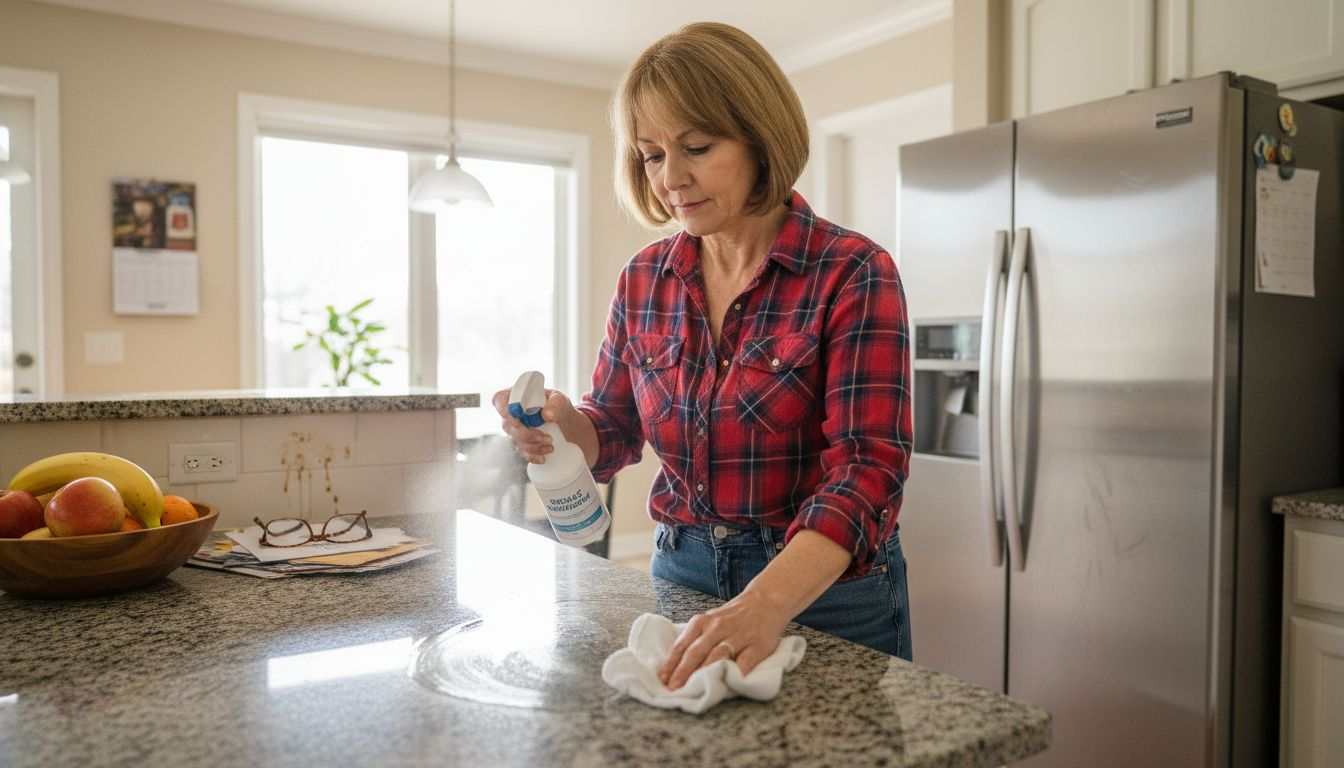
Keeping homes and vacation rentals in St. Augustine, FL, genuinely clean goes far beyond removing visible dirt. Many people mix up sanitization with ordinary cleaning, but the U.S. Environmental Protection Agency (EPA) defines sanitization as using chemical agents to control bacteria on surfaces, which is not the same as simply wiping things down. Understanding the real difference empowers you to choose methods and products that support safer, healthier living spaces for families and guests.
Table of Contents
Key Takeaways
Point | Details |
Understanding Sanitization | Sanitization reduces harmful microorganisms to safe levels using specific chemical agents, differing from cleaning and disinfecting. |
Types of Sanitization | Strategies include surface-specific, environment-based, and targeted microbial treatment to effectively manage microbial contamination. |
EPA Regulations | The EPA sets rigorous guidelines for sanitization products, ensuring they meet safety and effectiveness standards before reaching consumers. |
Limitations of Sanitization | Chemical sanitizers can have limitations, such as microbial resistance and incomplete pathogen elimination, necessitating comprehensive cleaning approaches. |
Defining Sanitization and Common Misconceptions
Sanitization is a critical process for maintaining health and safety in residential and commercial environments, yet many people misunderstand its precise meaning and scope. Unlike general cleaning, sanitization involves scientifically reducing harmful microorganisms to safe levels using specialized chemical agents. The EPA defines sanitization as a targeted approach to killing bacteria on surfaces using specific chemical treatments.
Most people confuse sanitization with cleaning and disinfecting, which are distinctly different processes. Here are the key differences:
Cleaning: Removes visible dirt and debris from surfaces
Sanitizing: Reduces bacteria to safe levels without necessarily killing all microorganisms
Disinfecting: Eliminates nearly 100% of disease-causing microbes and viruses
Many homeowners and property managers mistakenly believe that simply wiping a surface makes it sanitary. In reality, sanitation systems are designed to protect human health by preventing disease transmission through strategic microbial management. This means following specific protocols, using appropriate chemical agents, and understanding contact times for effective treatment.
Understanding sanitization requires recognizing that not all cleaning products are created equal. Some products are registered as both sanitizers and disinfectants, which means they’ve undergone rigorous testing to prove their effectiveness against different types of microorganisms. The key is to carefully read product labels and follow manufacturer instructions precisely.
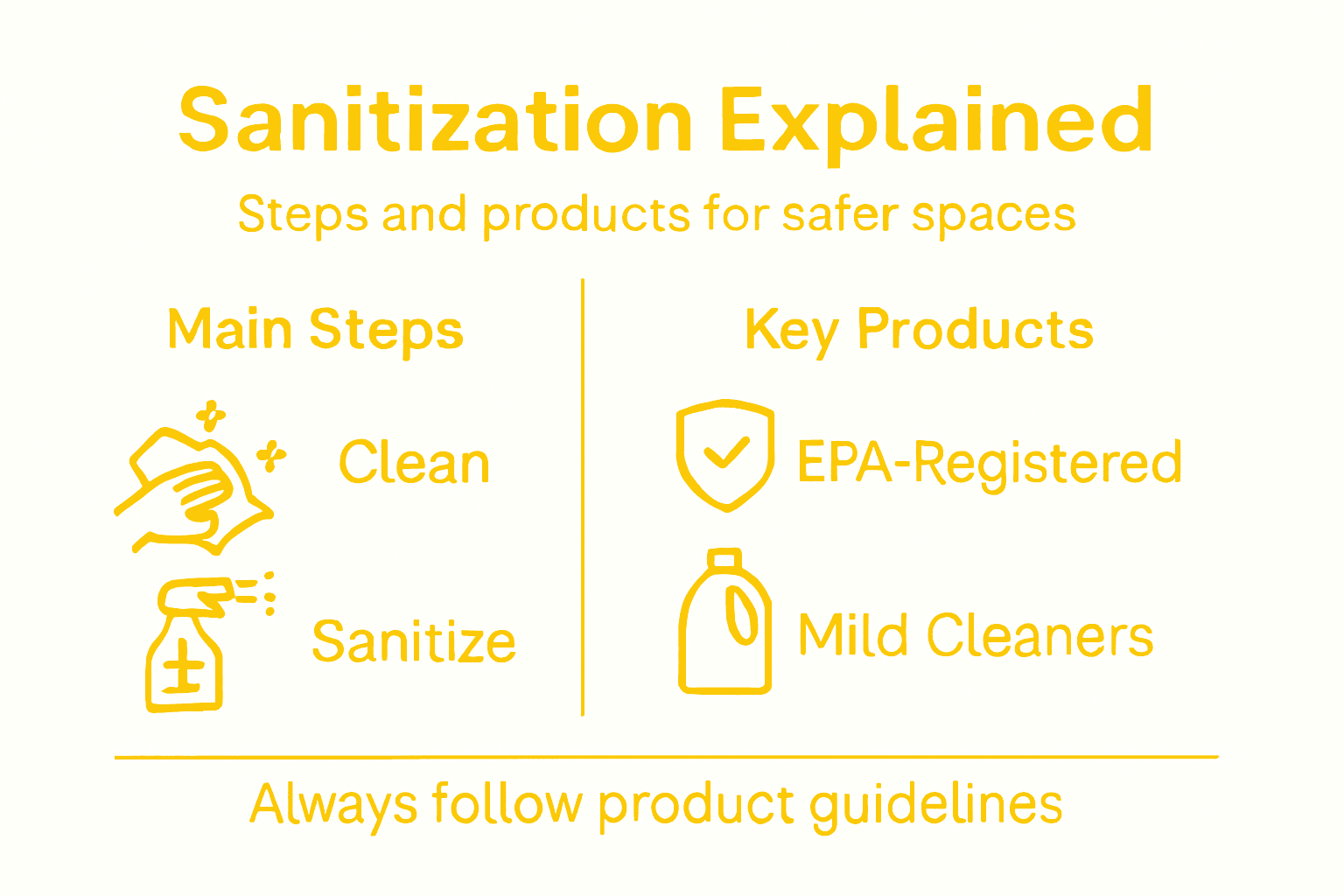
Here’s a concise comparison of cleaning, sanitizing, and disinfecting processes:
Process | Main Purpose | Effect on Microbes | Typical Use Cases |
Cleaning | Remove dirt and debris | Little to no microbial reduction | Everyday household maintenance |
Sanitizing | Lower bacteria to safe levels | Reduces bacteria, some viruses | Food preparation areas, childcare |
Disinfecting | Kill most pathogens | Eliminates bacteria and viruses | Healthcare facilities, bathrooms |
Pro tip: Always check the EPA registration number on sanitizing products and follow the recommended contact time to ensure maximum microbial reduction.
Types of Sanitization in Home and Rentals
Sanitization strategies vary widely depending on the specific environment and surface types in residential and rental properties. Community settings require targeted cleaning approaches that address different levels of microbial contamination and potential health risks.
Home and rental sanitization can be categorized into several key types:
Surface-Specific Sanitization
Kitchen surfaces (countertops, appliances)
Bathroom fixtures and tiles
High-touch areas like doorknobs and light switches
Environment-Based Sanitization
Residential living spaces
Vacation rental preparation
Commercial rental properties
Targeted Microbial Treatment
Bacterial reduction
Virus elimination
Allergen control
EPA-registered sanitizers play a crucial role in effectively managing microbial contamination. Different products are designed to target specific types of microorganisms, with some focused on bacterial reduction while others provide comprehensive pathogen elimination. The selection depends on the surface material, frequency of use, and potential exposure risks.
Professional sanitization goes beyond simple cleaning by implementing scientific protocols that ensure comprehensive microbial management. This involves understanding the specific chemical treatments required for different surfaces, recognizing high-risk areas, and using appropriate techniques to minimize health hazards.
Pro tip: Always rotate and diversify your sanitization products to prevent microbial resistance and ensure comprehensive coverage across different surface types.
How Sanitization Works: Effective Methods
Sanitization is a precise science that goes far beyond simple surface cleaning. Chemical agents reduce bacterial populations through targeted microbial elimination strategies that require specific techniques and careful application.
The sanitization process involves several critical steps:
Initial Surface Preparation
Remove visible dirt and organic matter
Use appropriate cleaning solutions
Ensure surface is visibly clean before sanitizing
Chemical Application
Select EPA-registered sanitizing agents
Apply even, thorough coverage
Maintain recommended wet contact time
Verification and Confirmation
Check surface for complete treatment
Allow proper drying time
Validate sanitization effectiveness
Proper cleaning techniques are fundamental to effective sanitization. Organic matter and dirt can significantly inhibit chemical agents, which means the initial cleaning stage is just as crucial as the sanitization itself. Professional sanitization requires understanding the specific interactions between cleaning solutions, surface materials, and targeted microorganisms.
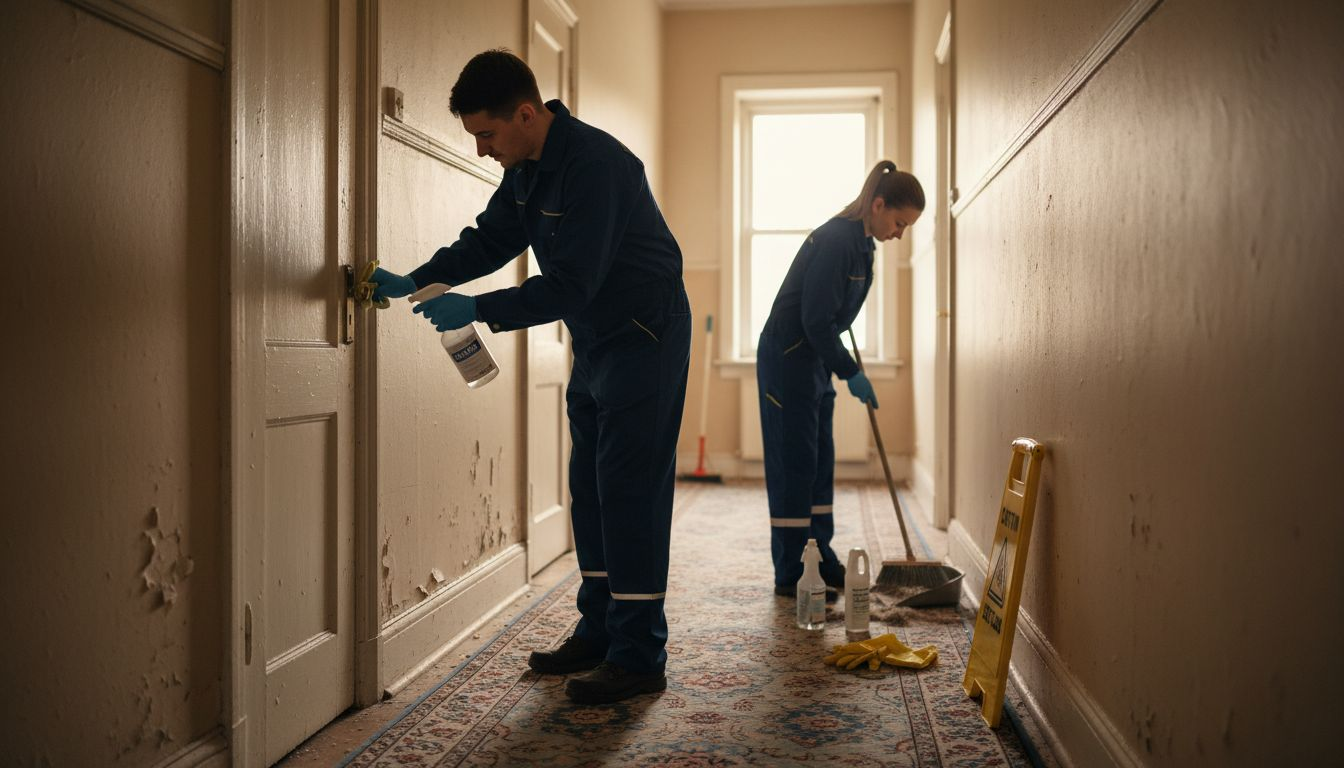
Successful sanitization depends on multiple factors, including chemical concentration, application method, surface composition, and environmental conditions. Different surfaces and environments require tailored approaches, with some areas needing more intensive treatment than others.
Pro tip: Always read and follow manufacturer instructions precisely, as contact time and application method can dramatically impact sanitization effectiveness.
EPA Regulations and Public Health Standards
Public health standards are the cornerstone of safe sanitization practices, with federal agencies establishing rigorous guidelines to protect communities. EPA regulations for antimicrobial products ensure that sanitization agents meet stringent safety and effectiveness requirements before reaching consumer markets.
Key aspects of EPA regulatory oversight include:
Product Registration Requirements
Comprehensive testing for microbial efficacy
Verification of kill rates for specific pathogens
Evaluation of potential environmental impacts
Labeling and Usage Guidelines
Precise instructions for application
Recommended contact times
Surface-specific usage recommendations
Safety Protocol Enforcement
Chemical composition review
Toxicity assessment
Worker and consumer protection standards
CDC infection control guidelines complement EPA regulations by providing comprehensive recommendations for reducing infection risks in various settings. These guidelines create a multilayered approach to public health protection, ensuring that sanitization practices meet the highest safety standards across residential, commercial, and healthcare environments.
The regulatory framework goes beyond mere product approval. It involves continuous monitoring, periodic reassessment of sanitization technologies, and adaptation to emerging public health challenges. This dynamic approach allows regulatory bodies to respond quickly to new microbial threats and evolving scientific understanding.
To clarify regulatory differences, here’s a summary of EPA vs CDC responsibilities in sanitization:
Organization | Core Role | Focus Area |
EPA | Product regulation | Safety and antimicrobial efficacy |
CDC | Practice recommendation | Infection control and prevention |
Pro tip: Always verify a sanitization product’s EPA registration number and thoroughly review its label before use to ensure compliance with current public health standards.
Risks and Limitations of Sanitization Processes
Sanitization processes are not foolproof solutions for eliminating all microbiological risks. Chemical sanitizers have inherent limitations that can compromise their effectiveness if not applied with precision and understanding.
Key risks and limitations include:
Microbial Resistance
Some bacteria develop resistance to sanitizing agents
Repeated use of same chemical can reduce effectiveness
Microorganisms can adapt to chemical treatments
Incomplete Pathogen Elimination
Not all sanitizers kill viruses
Certain microbes require specialized disinfection
Heavily soiled surfaces reduce sanitization efficacy
Potential Chemical Hazards
Improper dilution can create toxic residues
Some chemicals pose health risks with prolonged exposure
Environmental contamination potential
Cleaning and sanitization guidelines emphasize that sanitization is not a standalone solution. Effective microbial control requires a comprehensive approach that combines thorough cleaning, appropriate chemical selection, and understanding of specific environmental conditions.
Professional sanitization experts recognize that no single method guarantees complete pathogen elimination. Different microorganisms have varying resistance levels, and environmental factors like temperature, humidity, and surface composition significantly impact sanitization effectiveness.
Pro tip: Rotate sanitization chemicals and always conduct a preliminary cleaning to maximize microbial reduction and minimize the risk of chemical resistance.
Elevate Your Space With Expert Sanitization Services
Understanding the critical differences between cleaning, sanitizing, and disinfecting is the first step to truly safe and healthy living or workspaces. Many struggle with knowing how to effectively reduce harmful bacteria and pathogens without risking microbial resistance or ineffective chemical use. Our professional teams master these exact challenges by applying EPA-registered sanitizers using scientifically backed protocols to guarantee microbial reduction on high-touch surfaces and environments alike.
Protect your home, rental, or office by choosing deep cleaning and sanitization solutions tailored to your unique needs. At My Lemon Maids, we combine expert cleaning techniques with the right sanitization products to keep your spaces safe according to the latest public health standards. Don’t settle for surface cleaning alone — ensure your environment receives the thorough microbial management it requires. Visit My Lemon Maids now to schedule a service and experience the confidence that comes from scientifically sound sanitization.
Frequently Asked Questions
What is the difference between cleaning, sanitizing, and disinfecting?
Cleaning removes dirt and debris, sanitizing reduces bacteria to safe levels without killing all microorganisms, and disinfecting eliminates nearly all pathogens, including viruses.
How can I ensure effective sanitization in my home?
To ensure effective sanitization, you should first clean surfaces to remove dirt, select EPA-registered sanitizers, apply them thoroughly, and adhere to the recommended contact times from the product label.
What are the risks associated with using sanitization chemicals?
Risks include microbial resistance, incomplete pathogen elimination, and potential chemical hazards such as toxicity from improper dilution or prolonged exposure to certain chemicals.
Why is it important to use EPA-registered sanitizers?
EPA-registered sanitizers meet stringent safety and effectiveness requirements, ensuring that the products have been tested for efficacy against specific pathogens and pose minimal health risks when used correctly.
Recommended
Comments