Deep Cleaning Apartments: 90% Allergen Reduction Benefits
- support760146
- Feb 27
- 13 min read
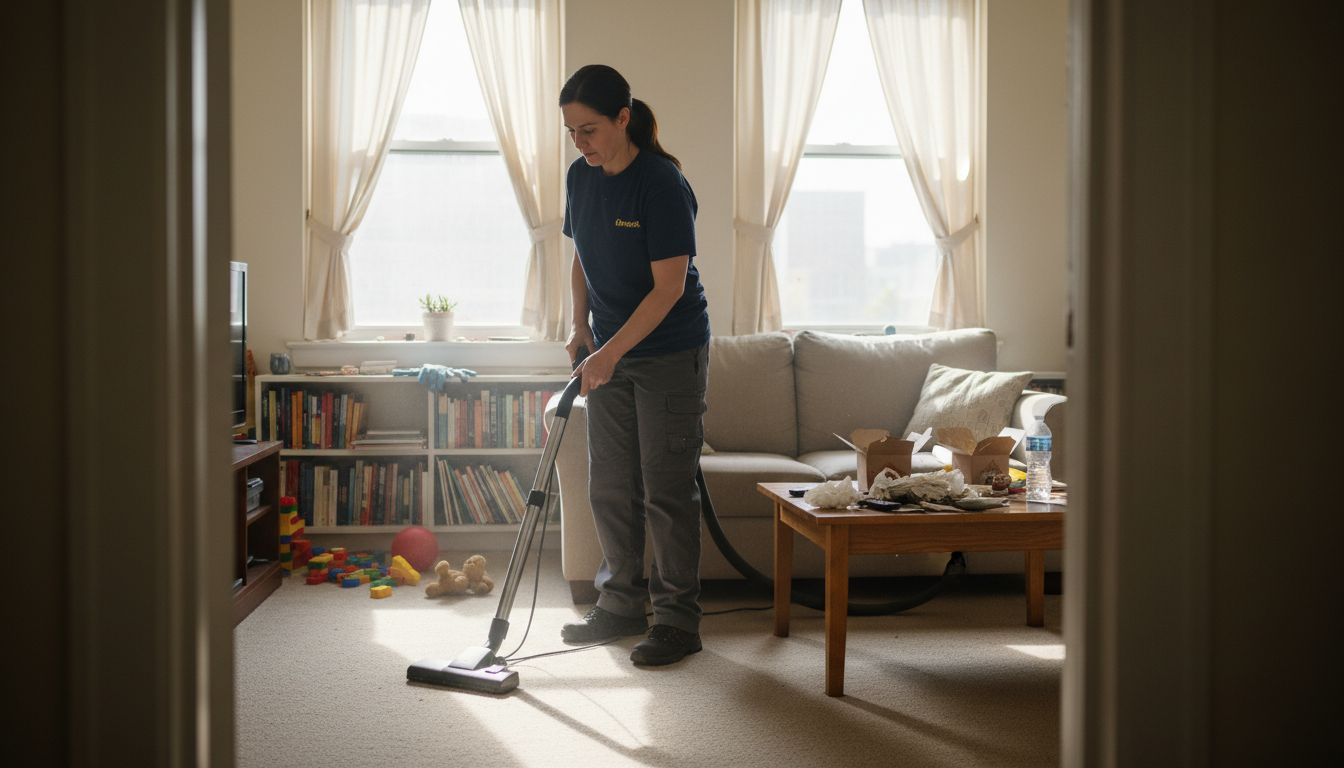
Apartment living in coastal areas like St. Augustine comes with unique cleaning challenges. Humidity, shared ventilation systems, and compact spaces create environments where allergens, mold, and dust accumulate faster than you might expect. Deep cleaning offers a proven solution, removing up to 90% of allergens and dramatically improving indoor air quality. This article guides you through selecting the right deep cleaning approach, understanding its health and air quality benefits, comparing professional versus DIY options, and making cost-effective decisions that protect your health and comfort.
Table of Contents
Key Takeaways
Point | Details |
Allergen removal efficiency | Deep cleaning removes up to 90% of allergens compared to 40-50% with standard cleaning |
Air quality improvement | Proper vent and duct cleaning improves indoor air quality by approximately 37% |
Safe product selection | EPA Safer Choice-certified products minimize health risks from cleaning chemicals |
Professional advantage | HEPA filtration in professional services captures 99.97% of particles 0.3 microns or larger |
Cost range | Median professional cleaning costs range from $150-$300 depending on apartment size |
How to Select the Right Deep Cleaning Option for Your Apartment
Choosing the right deep cleaning approach requires balancing health needs, budget constraints, and apartment-specific factors. Renters and owners in humid coastal regions face distinct challenges that make this decision even more critical.
Start by assessing your health situation. If anyone in your household suffers from allergies, asthma, or respiratory sensitivities, quarterly deep cleaning correlates with a 50-60% reduction in indoor allergen levels compared to standard cleaning schedules. High-occupancy apartments or homes with pets benefit from more frequent deep cleaning cycles.
Consider the scope of cleaning your apartment needs. Effective deep cleaning must cover surfaces, vents, ducts, baseboards, and hidden areas where allergens accumulate. Coastal apartments particularly require attention to moisture-prone areas where mold develops. The CDC cleaning frequency recommendations emphasize comprehensive surface coverage for lasting results.
Product selection matters enormously for indoor health. Choose EPA-certified safe cleaning products to reduce chemical exposure risks. Green-certified options protect both your respiratory system and the environment without sacrificing cleaning power.
Weigh professional services against DIY efforts realistically. Professionals bring specialized equipment, trained techniques, and efficiency that DIY approaches struggle to match. However, budget constraints may lead you to combine occasional professional deep cleaning with regular DIY maintenance.
Key selection factors include:
Apartment size and layout complexity
Presence of allergy or asthma sufferers
Humidity levels and mold risk
Budget availability for quarterly or biannual service
Access to proper equipment and certified products
Pro tip: Start with a professional deep cleaning step-by-step guide to establish a baseline, then maintain with regular lighter cleaning between professional visits. This hybrid approach maximizes health benefits while managing costs.
1. Health and Hygiene Benefits of Deep Cleaning
Deep cleaning delivers measurable health improvements that standard cleaning cannot match. The difference becomes especially apparent in apartments where ventilation systems circulate contaminants throughout compact living spaces.
Deep cleaning can reduce surface allergens by up to 90% when performed thoroughly with HEPA vacuuming and wet cleaning cycles. This dramatic reduction directly translates to fewer allergy symptoms, reduced asthma triggers, and improved respiratory comfort for occupants.
Mold control represents another critical health benefit. Coastal humidity creates ideal conditions for mold growth in bathrooms, kitchens, and poorly ventilated spaces. Humidity above 60% significantly increases mold spore presence indoors; deep cleaning targets mold reduction by 80%. Regular deep cleaning disrupts mold colonies before they become health hazards.
Microbial contamination on surfaces poses ongoing health risks that standard wiping misses. Deep cleaning eliminates bacteria, viruses, and fungi from high-touch surfaces, baseboards, and hidden crevices. This thorough approach reduces infection transmission risk and protects immune-compromised household members.
Comfort improvements extend beyond measurable health metrics. 85% of apartment residents report noticeable comfort improvement post deep cleaning, citing reduced odors, fresher air, and an overall cleaner living environment. These subjective benefits contribute significantly to quality of life.
Primary health benefits include:
Dramatic allergen reduction improving respiratory function
Mold prevention protecting against respiratory and skin conditions
Bacterial and viral load reduction lowering infection risk
Elimination of dust mites and their waste products
Improved sleep quality from reduced nighttime allergen exposure
The hygiene benefits of deep cleaning compound over time when performed regularly. Quarterly deep cleaning maintains low allergen levels rather than allowing cyclical buildup between sessions. This consistent approach provides ongoing health protection rather than temporary relief.
2. Indoor Air Quality Improvement through Deep Cleaning
Air quality determines much of your daily comfort and long-term health in apartment living. Deep cleaning addresses airborne contaminants that circulate through your living space continuously.
Ventilation system cleaning yields immediate air quality improvements. Cleaning vents improves airflow by approximately 37%, leading to measurable IAQ improvements in apartments. Better airflow means fresher air circulation, reduced humidity buildup, and more efficient HVAC system performance.
HEPA filtration technology captures particles that standard vacuum cleaners simply recirculate. HEPA vacuuming removes 99.97% of particles 0.3 microns or larger, critical for removing allergens and microbial contaminants. This level of filtration captures pollen, pet dander, dust mite waste, mold spores, and even some bacteria.
Dust reduction directly impacts respiratory health. Airborne dust particles irritate airways, trigger asthma attacks, and carry allergens throughout your apartment. Deep cleaning removes dust from surfaces before it becomes airborne, breaking this cycle.
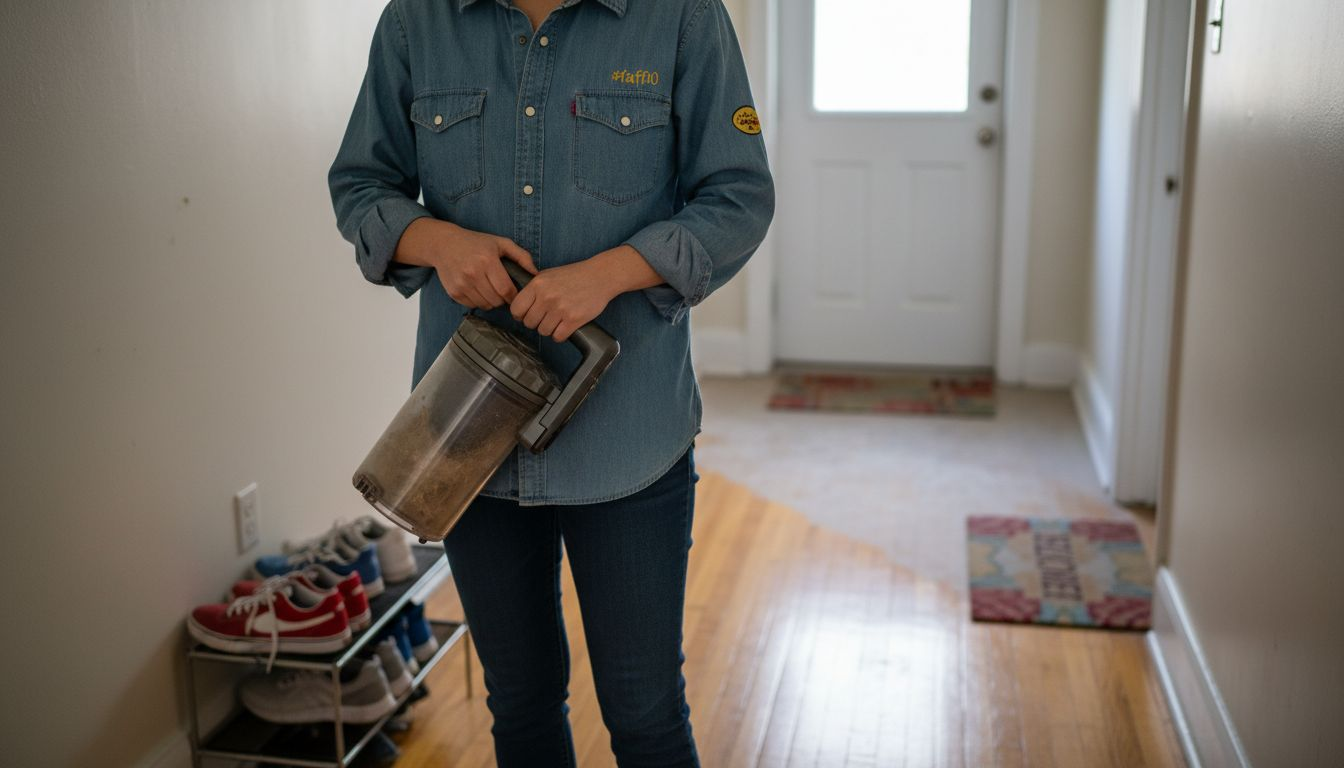
Indoor air quality improves by 37% with proper vent cleaning, reducing respiratory irritants significantly.
Mold spore reduction protects against both immediate allergic reactions and long-term respiratory damage. Thorough cleaning eliminates visible mold while HEPA vacuuming captures airborne spores before they establish new colonies. This comprehensive approach prevents mold from spreading through your ventilation system.
Key air quality improvements:
Enhanced ventilation system efficiency distributing cleaner air
Reduced airborne allergen concentration throughout living spaces
Lower humidity levels discouraging mold and dust mite growth
Decreased particulate matter reducing respiratory irritation
Elimination of musty odors indicating microbial growth
The connection between deep cleaning and IAQ becomes especially important in apartments with shared ventilation systems. Contaminants from neighboring units can enter your space, making your own cleaning efforts even more critical. Regular deep cleaning creates a protective barrier against these external pollution sources.
Apartments near coastal areas face additional air quality challenges from humidity and salt air. Deep cleaning combined with proper ventilation maintenance addresses these regional factors effectively. The vent cleaning benefits extend to energy efficiency as clean systems require less power to maintain comfortable temperatures.
3. Comparison of Deep Cleaning and Standard Cleaning
Understanding the practical differences between deep and standard cleaning helps you allocate resources effectively and set realistic expectations.
Aspect | Deep Cleaning | Standard Cleaning |
Allergen removal rate | 90% reduction | 40-50% reduction |
Equipment used | HEPA vacuums, steam cleaners, specialized tools | Standard vacuums, mops, basic supplies |
Areas covered | All surfaces, vents, baseboards, hidden spaces | Visible surfaces, floors, countertops |
Time required | 4-8 hours for average apartment | 1-2 hours for average apartment |
Cost range | $150-$300 | $80-$120 |
Recommended frequency | Quarterly | Weekly or biweekly |
Deep cleaning employs fundamentally different techniques than standard cleaning. HEPA vacuums and wet cleaning cycles penetrate surface layers to extract embedded contaminants. Deep cleaning reduces allergens by up to 90%, whereas standard cleaning averages 40-50%. This performance gap explains why deep cleaning delivers measurably better health outcomes.
Standard cleaning maintains appearance and basic hygiene between deep cleaning sessions. It removes surface dust, handles spills, and keeps visible areas presentable. However, it cannot reach allergen reservoirs in carpet fibers, upholstery, or ventilation systems.
Cost differences reflect the intensity and thoroughness of each approach. Deep cleaning requires more time, specialized equipment, and trained expertise. While the higher price point may seem prohibitive, the extended benefits justify the investment. Results last longer, reducing the frequency of intensive cleaning needed.
The right comparison of cleaning methods depends on your specific situation. High-allergy households benefit from more frequent deep cleaning, while low-occupancy apartments with minimal health concerns might extend intervals between sessions.
Key operational differences:
Deep cleaning addresses root causes; standard cleaning manages symptoms
Professional equipment access makes deep cleaning more effective
Standard cleaning fits weekly routines; deep cleaning requires scheduling
Deep cleaning restores baseline cleanliness; standard cleaning maintains it
Combined approach optimizes both health outcomes and budget efficiency
Think of standard cleaning as regular maintenance and deep cleaning as comprehensive restoration. Both serve important roles in apartment hygiene management. The most effective strategy combines regular standard cleaning with quarterly deep cleaning to maintain consistently low allergen levels and high air quality.
4. Professional vs. DIY Deep Cleaning Options
Deciding between professional services and DIY deep cleaning requires honest assessment of your capabilities, available time, and health priorities.
Professional cleaning services bring certified equipment and trained personnel who understand proper techniques. HEPA vacuuming removes 99.97% of particles 0.3 microns or larger, critical for allergen removal in professional cleaning. This level of filtration requires commercial-grade equipment that most renters cannot access or afford to purchase.
Cost represents the primary advantage of DIY cleaning. You avoid service fees and work at your own pace. However, hidden costs accumulate through equipment rental, product purchases, and the substantial time investment required. The median cost for professional deep cleaning ranges from $150 to $300 depending on apartment size, which many find reasonable when considering the expertise and equipment included.
Effectiveness gaps between professional and DIY approaches become apparent in results. Professionals complete comprehensive cleaning in 4-6 hours that might take an untrained person 12-15 hours to approximate. Training makes the difference in technique, product selection, and knowing where allergens hide.
Safety considerations favor professional services. Trained cleaners understand proper chemical handling, ventilation requirements, and protective equipment use. DIY cleaners risk chemical exposure, physical strain, and inadequate protection during cleaning tasks.
Pro tip: Consider a hybrid approach where professionals handle quarterly deep cleaning while you maintain with regular surface cleaning between visits. This strategy optimizes cost management while ensuring thorough allergen removal.
Comparative advantages:
Professionals: Superior equipment, trained techniques, liability insurance, time efficiency
DIY: Lower immediate cost, flexible scheduling, control over products used
Professionals: Certified green products, comprehensive coverage, guaranteed results
DIY: Learning opportunity, satisfaction of personal accomplishment
Professionals: Proper disposal of contaminated materials, safety compliance
The professional cleaning benefits extend beyond immediate cleanliness to long-term apartment preservation. Proper cleaning techniques prevent damage to surfaces, extend furnishing lifespans, and maintain property value.
Renters face unique considerations. Lease agreements may require professional cleaning at move-out, making familiarity with professional standards valuable. Additionally, damage from improper DIY cleaning could impact security deposit returns. Professional services provide documentation and accountability that protects your interests.
Budget-conscious renters can maximize value by scheduling professional deep cleaning during seasonal transitions when allergen loads change. Spring and fall cleaning addresses pollen and mold spore influxes, while summer and winter sessions manage humidity and heating-related contaminants.
5. Safe and Sustainable Cleaning Practices in Apartments
Product selection and safety protocols protect your health during and after the cleaning process. Understanding certification standards helps you make informed choices.
EPA Safer Choice-certified products reduce chemical exposure risks significantly and are widely used in residential cleaning. These products meet strict standards for ingredient safety while maintaining cleaning effectiveness. The certification ensures products contain no carcinogens, reproductive toxins, or respiratory irritants.
Protective equipment reduces health hazards during cleaning. OSHA and EPA guidelines recommend use of protective equipment to reduce cleaning-related health incidents by over 70%. Gloves protect skin from chemical irritation, while masks prevent inhalation of cleaning product vapors and disturbed dust particles.
Regulatory compliance ensures professional cleaners follow established safety protocols. EPA and OSHA regulatory standards enhance environmental and workers’ safety in cleaning tasks. These standards govern chemical concentrations, ventilation requirements, and disposal procedures that protect both cleaners and apartment occupants.
Green cleaning products deliver environmental benefits without sacrificing cleaning power. Modern formulations use plant-based surfactants and naturally derived ingredients that biodegrade safely. These products reduce water pollution and minimize ecological impact compared to conventional chemical cleaners.
Essential safety practices:
Always verify EPA Safer Choice certification rather than relying on marketing claims
Ensure adequate ventilation during and after cleaning chemical application
Store cleaning products in original containers with intact labels
Never mix cleaning products, which can create dangerous chemical reactions
Dispose of cleaning materials according to local hazardous waste guidelines
Sustainability extends beyond product choice to application methods. Microfiber cloths reduce chemical needs by mechanically removing dirt more effectively than traditional materials. Concentrated products minimize packaging waste and transportation emissions while providing equal cleaning power.
Apartment dwellers should prioritize low-VOC products to protect indoor air quality in confined spaces. Volatile organic compounds continue off-gassing for hours or days after application, degrading the air quality you worked to improve. EPA Safer Choice cleaning products specifically limit VOC content to protect respiratory health.
The CDC NIOSH cleaning safety guidelines emphasize training and proper technique as injury prevention measures. Even safe products can cause problems when misapplied. Professional cleaners receive training in proper dilution ratios, application methods, and exposure minimization.
6. Cost Considerations and Value Propositions
Understanding pricing structures helps you budget realistically and recognize value beyond the immediate price tag.
Median cost for professional deep cleaning services ranges from $150 to $300 based on apartment size. Pricing typically breaks down to $0.20-$0.50 per square foot or $25-$50 hourly, depending on regional markets and service scope.
Apartment Size | Professional Cost | DIY Cost (supplies + rental) | Time Investment (DIY) |
Studio (500 sq ft) | $100-$150 | $40-$60 | 6-8 hours |
1-bedroom (700 sq ft) | $150-$200 | $50-$75 | 8-10 hours |
2-bedroom (1000 sq ft) | $200-$275 | $70-$100 | 10-14 hours |
3-bedroom (1400 sq ft) | $250-$350 | $90-$130 | 14-18 hours |
DIY cleaning appears cheaper initially but carries hidden costs. Equipment rental for carpet cleaners or steam cleaners adds $30-$50 per day. Quality cleaning products cost $40-$80 for a complete kit. Your time investment represents significant opportunity cost, particularly when cleaning takes entire weekends.
Long-term value calculations favor regular deep cleaning. Reduced allergen exposure may decrease medical expenses for allergy treatments and medications. Improved air quality can reduce asthma-related healthcare costs. Better-maintained apartments suffer less wear, potentially protecting security deposits for renters.
Frequency impacts annual costs significantly. Quarterly professional cleaning totals $600-$1,200 annually, which many households find manageable when broken into quarterly payments. This investment delivers continuous health benefits rather than one-time improvements.
Value extends beyond dollars:
Health improvements reduce sick days and medical expenses
Better sleep quality from reduced allergen exposure improves productivity
Extended furnishing lifespan from proper cleaning techniques
Improved apartment condition protects security deposits
Peace of mind from professional-grade allergen removal
Budget optimization strategies include scheduling deep cleaning during off-peak seasons when some services offer discounts. Combining services such as deep cleaning with window cleaning or carpet treatment may provide package pricing advantages.
Compare costs against alternative health interventions. Air purifiers cost $200-$800 plus filter replacements. Allergy medications run $20-$60 monthly. Professional deep cleaning addresses root causes rather than managing symptoms, potentially offering better return on investment.
Renters should factor cleaning into monthly housing budgets alongside rent and utilities. Allocating $50-$100 monthly creates a reserve for quarterly professional cleaning without financial strain. This proactive approach prevents cleaning from becoming an unexpected expense.
Summary and Situational Recommendations: Which Deep Cleaning Benefits Matter Most to You?
Your specific circumstances determine the optimal deep cleaning strategy. Match your approach to your highest-priority needs.
Allergy and asthma sufferers should prioritize quarterly professional deep cleaning with HEPA filtration. The 90% allergen reduction rate justifies the investment through improved daily comfort and reduced medication needs. Focus on vent and duct cleaning to maximize air quality improvements.
Budget-conscious renters can achieve good results by alternating professional deep cleaning biannually with thorough DIY maintenance between sessions. Invest in quality EPA-certified cleaning products and microfiber materials for your DIY efforts. Target high-impact areas like bathrooms and kitchens where moisture creates mold risk.
Large apartments or those with mold history require professional service for comprehensive coverage. The specialized equipment and training ensure thorough treatment that prevents recurrence. Consider moisture control measures alongside cleaning to address root causes.
Chemical-sensitive individuals should specify EPA Safer Choice-certified products when booking professional services. Many companies accommodate these requests without additional charges. For DIY cleaning, invest time researching certified products that meet safety standards.
High-humidity coastal apartments benefit most from frequent vent and duct attention. The 37% airflow improvement from vent cleaning makes this a priority service. Schedule cleaning before summer humidity peaks to establish baseline cleanliness.
Key decision factors:
Health needs: Quarterly professional cleaning for allergy/asthma households
Budget constraints: Hybrid professional/DIY approach optimizes value
Apartment size: Professional services scale efficiently for larger spaces
Moisture issues: Professional mold treatment prevents health hazards
Chemical sensitivity: EPA-certified products protect vulnerable individuals
The most successful approach combines professional expertise for intensive quarterly cleaning with consistent DIY maintenance between sessions. This strategy delivers sustained health benefits while managing costs effectively.
Discover Expert Deep Cleaning Services with My Lemon Maids
Transform your apartment into a healthier living space with proven deep cleaning expertise. My Lemon Maids specializes in comprehensive deep cleaning services tailored specifically for apartments in St. Augustine, Ponte Vedra, and Nocatee.
Our trained professionals use EPA Safer Choice-certified products and HEPA filtration systems to achieve the 90% allergen reduction rates discussed throughout this article. We understand the unique challenges coastal apartments face, from humidity-driven mold growth to shared ventilation system contaminants.
Every cleaning session follows proven protocols that address high-impact areas while respecting your property and schedule. Our step-by-step deep cleaning guide outlines our comprehensive approach, ensuring nothing gets overlooked.
Experience the comfort and health benefits of professional deep cleaning. Learn more about deep cleaning with My Lemon Maids and schedule your first session to establish a healthier baseline for your apartment living.
Frequently Asked Questions
What are the main benefits of deep cleaning apartments?
Deep cleaning removes up to 90% of allergens compared to standard cleaning’s 40-50% rate, significantly improving respiratory health for occupants. It eliminates mold, dust mites, and microbial contaminants that accumulate in carpets, upholstery, and ventilation systems. Indoor air quality improves by approximately 37% through proper vent and duct cleaning. Professional services use HEPA filtration and EPA-certified products to minimize health risks while maximizing cleanliness. Long-term benefits include reduced allergy symptoms, lower medical expenses, and improved daily comfort in your living space.
How often should I deep clean my apartment to maintain hygiene?
Quarterly deep cleaning correlates with a 50-60% reduction in indoor allergen levels compared to standard cleaning schedules. Allergy or asthma sufferers may benefit from more frequent sessions, particularly during high-pollen seasons. Coastal apartments with humidity concerns should maintain quarterly schedules to prevent mold establishment. Cleaning frequency recommendations emphasize consistency over intensity for sustained health benefits.
Is professional deep cleaning worth the cost compared to DIY?
Professional deep cleaning uses HEPA filtration effectively removing 99.97% of allergens compared to DIY methods with standard equipment. Professionals complete thorough cleaning in 4-6 hours versus 12-15 hours for untrained individuals. The $150-$300 cost includes specialized equipment, certified products, and trained techniques that DIY approaches cannot replicate. Benefits of professional cleaning include guaranteed results, proper chemical handling, and liability protection that justify the investment for health-conscious households.
What cleaning products are safest for apartment deep cleaning?
EPA Safer Choice-certified products reduce chemical exposure risks significantly compared to conventional products while maintaining cleaning effectiveness. Look for the EPA Safer Choice label rather than generic green or eco marketing claims. Certified products contain no carcinogens, reproductive toxins, or respiratory irritants, making them safe for enclosed apartment spaces. EPA Safer Choice cleaning products meet strict ingredient standards while delivering professional-grade cleaning power for allergen and microbe removal.
Recommended
Comments