Commercial Cleaning Checklist 2026: Boost Satisfaction 25%
- support760146
- Mar 3
- 10 min read
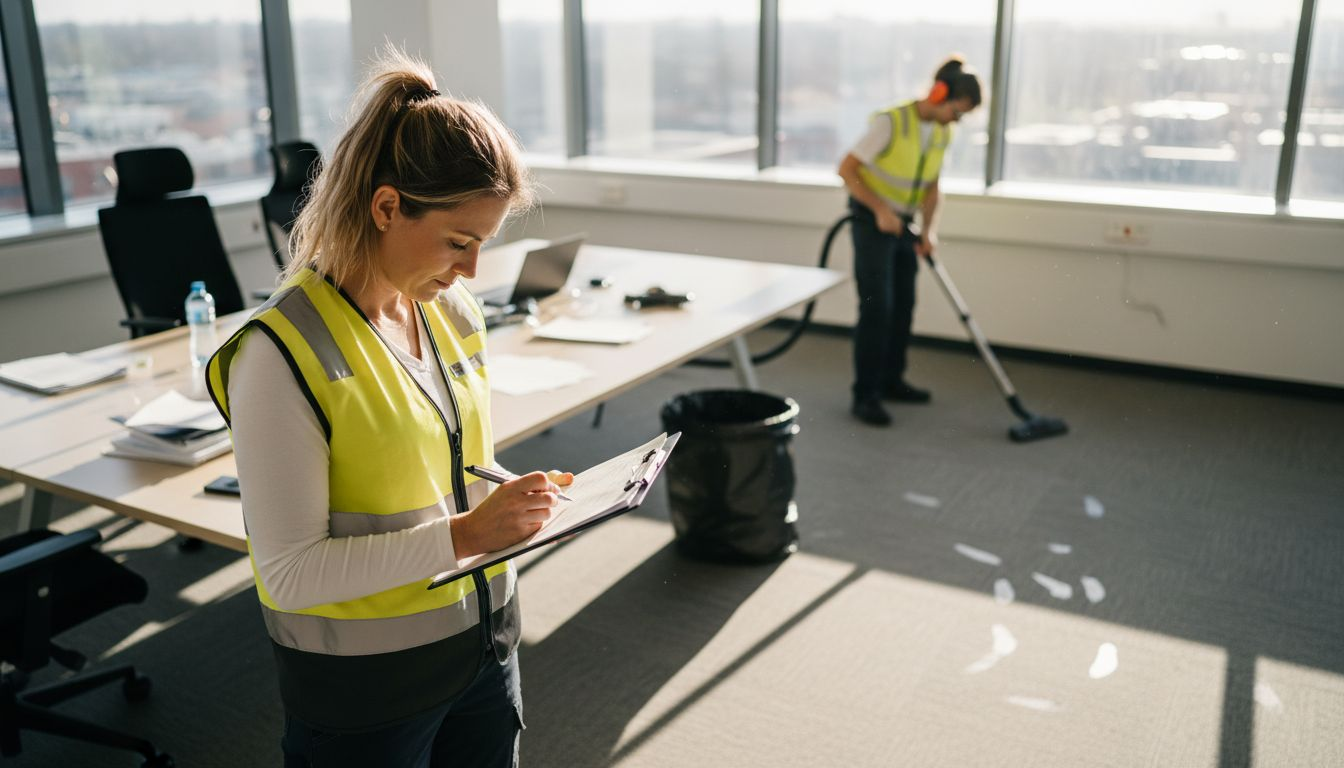
Inconsistent cleaning leads to tenant complaints and lost revenue. Well-maintained commercial properties command 12-15% higher rents and experience 25% lower tenant turnover tied to cleanliness. A comprehensive checklist improves cleaning consistency and tenant satisfaction across offices and vacation rentals. This article covers tailored checklists with scheduling tips for both property types.
Table of Contents
Daily, Weekly, Monthly, And Quarterly Cleaning Tasks Explained
Vacation Rental Cleaning Checklist: Ensuring Guest Satisfaction And Safety
Scheduling, Staffing, And Tools: Practical Tips For Managing Commercial Cleaning
Checklist Comparison And Summary: Finding The Right Fit For Your Property
Situational Recommendations: Choosing Your Commercial Cleaning Approach
Optimize Your Cleaning With Professional Services From My Lemon Maids
Key Takeaways
Point | Details |
Multi-frequency approach | Daily, weekly, monthly, and quarterly tasks ensure thorough coverage from immediate hygiene to deep maintenance. |
Property-specific customization | Office checklists prioritize HVAC and electrical tasks while vacation rentals focus on rapid turnovers. |
Scheduling and accountability | Digital tools and structured assignments improve staff coordination and reduce missed tasks. |
Sustainability standards | GS-42 compliant products minimize environmental impact while meeting safety regulations. |
Cost and satisfaction benefits | Proper cleaning reduces energy waste by 30% and directly improves tenant retention. |
Selection Criteria for Your Commercial Cleaning Checklist
Choosing the right checklist starts with understanding your property type and business needs. Offices demand different cleaning priorities than vacation rentals, so adaptability matters.
First, consider cleaning frequency. High-traffic offices need daily restroom maintenance and surface cleaning, while vacation rentals require intensive turnover cleaning between guests. Your checklist should flex to match occupancy patterns and usage intensity.
Compliance with local safety and health regulations is non-negotiable. Green Seal GS-42 standards guide sustainable and health-conscious commercial cleaning practices. These standards ensure you use safe products that protect both occupants and cleaning staff.
Prioritize sustainable, safe cleaning products that meet regulatory requirements. Green-certified cleaners reduce chemical exposure risks while maintaining sanitation effectiveness. This choice directly impacts tenant health and your liability exposure.
Integrate your checklist with scheduling and staffing tools. Digital platforms track task completion and assign responsibilities clearly. This integration prevents confusion and ensures accountability across shifts.
Factor in tenant satisfaction and maintenance preservation. A thorough checklist addresses visible cleanliness and behind-the-scenes maintenance that prevents costly repairs. Clean HVAC systems, for instance, run more efficiently and last longer.
Pro Tip: Review your checklist quarterly with staff input. Frontline cleaners spot inefficiencies and suggest practical improvements that management might miss.
Key criteria for effective checklists:
Frequency adaptability matching property usage patterns
Compliance with GS-42 and local health codes
Integration with scheduling software for accountability
Balance between daily hygiene and preventive maintenance
Tenant feedback mechanisms to refine priorities
The benefits of commercial cleaning extend beyond appearance. Structured checklists protect your property investment while creating healthier spaces for occupants.
Daily, Weekly, Monthly, and Quarterly Cleaning Tasks Explained
A tiered cleaning structure ensures nothing falls through the cracks. This four-frequency model covers immediate needs and long-term maintenance.
Daily Tasks focus on hygiene and occupant comfort. Daily tasks include waste removal and restroom upkeep critical for maintaining sanitation standards. Surface wiping, floor sweeping, and trash collection happen every business day.
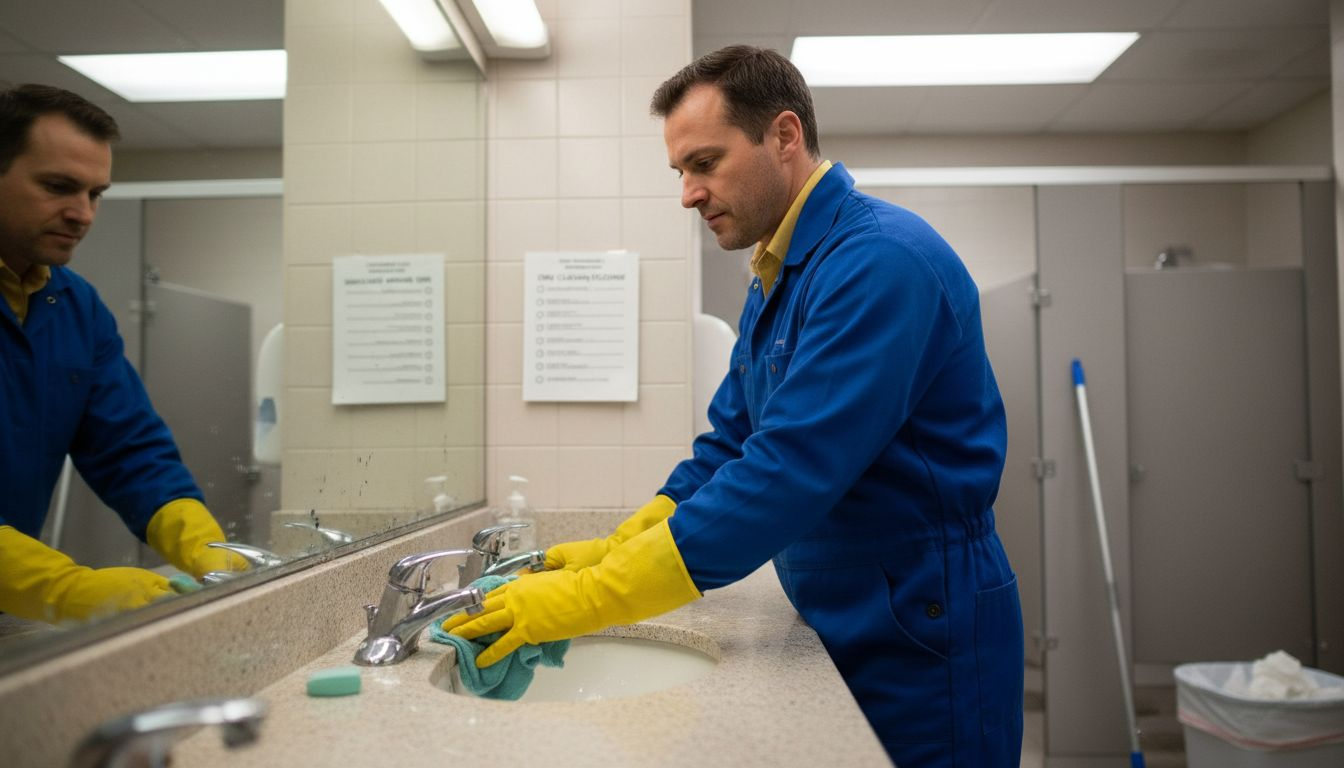
Weekly Tasks address deeper cleaning needs. Floors get mopped, glass surfaces receive thorough cleaning, and kitchens undergo sanitization beyond daily wipe-downs. These tasks maintain appearance standards between monthly deep cleans.
Monthly Tasks include vital HVAC and electrical inspections. Monthly HVAC maintenance saves 30% energy by ensuring systems run efficiently. Filter changes, duct checks, and electrical panel inspections prevent breakdowns and safety hazards.
Quarterly Tasks involve certifications and deep cleaning. Carpet extraction, upholstery cleaning, and fire safety inspections happen every three months. These intensive tasks address accumulated wear and regulatory requirements.
Pro Tip: Schedule quarterly deep cleans during low-occupancy periods to minimize disruption and allow thorough drying times for carpets and upholstery.
Offices and vacation rentals differ significantly in scheduling. Offices maintain consistent weekly rhythms, while vacation rentals require intensive turnover cleaning on flexible schedules matching guest bookings.
Frequency | Office Focus | Vacation Rental Focus | Maintenance Impact |
Daily | Restrooms, common areas, trash | Full unit reset, kitchen, bathrooms | Prevents buildup |
Weekly | Floors, glass, break rooms | Not applicable (turnover-based) | Maintains appearance |
Monthly | HVAC filters, electrical checks | Deep kitchen, bathroom grout | Extends equipment life |
Quarterly | Carpet cleaning, safety inspections | Upholstery, outdoor spaces | Meets compliance |
A detailed breakdown ensures appropriate task assignment:
Assign daily tasks to shift staff with checklists
Schedule weekly tasks on low-traffic days
Coordinate monthly maintenance with facility managers
Plan quarterly deep cleans with professional services
Document completion for accountability and compliance
This standard cleaning step-by-step approach adapts to both property types while maintaining thoroughness.
Office Cleaning Checklist: What to Include and Why
Office cleaning demands consistency and regulatory compliance. Your checklist must address health standards while supporting productive work environments.
Daily restroom maintenance is critical for cleanliness standards. Consistent restroom cleaning checklists improve shift-to-shift consistency and reduce missed tasks in high-traffic facilities. Stock checks, sanitization, and odor control happen every day.
Electrical and HVAC maintenance enhance safety and efficiency. Monthly inspections catch problems before they become expensive emergencies. Clean air filters improve indoor air quality, reducing employee sick days.
Surface and floor cleaning specifics matter in offices. High-touch areas like door handles, light switches, and shared equipment need daily disinfection. Hard floors require daily sweeping and weekly mopping, while carpeted areas need weekly vacuuming and quarterly extraction.
Safety and regulatory items integrate throughout your checklist. Emergency exit access, fire extinguisher inspections, and proper chemical storage comply with OSHA requirements. Documentation proves compliance during inspections.
Pro Tip: Color-code cleaning cloths by area (red for restrooms, blue for offices, green for kitchens) to prevent cross-contamination and meet health department standards.
Essential office checklist items:
Daily restroom sanitization with stock replenishment
High-touch surface disinfection every shift
Weekly floor maintenance and glass cleaning
Monthly HVAC filter changes and electrical checks
Quarterly deep carpet and upholstery cleaning
Regular fire safety and emergency access verification
This office cleaning workflow ensures thorough coverage without overwhelming staff. A structured bathroom cleaning checklist prevents the most common missed tasks in commercial facilities.
Vacation Rental Cleaning Checklist: Ensuring Guest Satisfaction and Safety
Vacation rentals require different priorities than offices. Guest satisfaction depends on impeccable cleanliness during rapid turnovers.
Kitchen hygiene is critical for turnover days. Daily kitchen maintenance, including grease trap and fire suppression inspection, is key to guest safety and satisfaction. Every surface gets sanitized, appliances cleaned inside and out, and cookware inspected for damage.
Bathroom cleaning focuses on sanitation and safety. Guests expect hotel-quality cleanliness. Grout scrubbing, fixture polishing, and thorough disinfection create that fresh, pristine impression. Shower drains and toilet function must be verified before each guest arrival.
Periodic deep cleaning maintains property quality beyond turnovers. Monthly tasks include baseboard wiping, light fixture cleaning, and window washing. Quarterly deep cleans address carpets, upholstery, and outdoor spaces that accumulate wear.
Structured checklists aid consistency across shifts. When multiple cleaners handle turnovers, detailed lists ensure nothing gets skipped regardless of who cleans. This consistency protects your reputation and review ratings.
Balance thoroughness with scheduling constraints. Tight turnover windows demand efficiency. Prioritize guest-visible areas and safety items, then address deep cleaning during longer gaps between bookings.
Critical vacation rental checklist components:
Complete kitchen sanitization with appliance interiors
Bathroom deep cleaning with grout and fixture attention
Fresh linens and towels with quality inspection
Floor vacuuming/mopping in all rooms
Outdoor space tidying and furniture wiping
Safety device testing (smoke detectors, locks)
Amenity restocking and welcome setup
These vacation rental cleaning best practices ensure guest satisfaction. The bathroom cleaning checklist details prevent sanitation oversights that generate negative reviews.
Scheduling, Staffing, and Tools: Practical Tips for Managing Commercial Cleaning
Effective cleaning requires smart organization. Proper scheduling and tools transform checklists from paper documents into operational success.
Digital and printable cleaning schedules enhance task tracking and equitable division of duties. Apps like Trello or specialized cleaning software assign tasks, track completion, and send reminders. Printable versions work for teams without constant device access.
Equitably distribute cleaning duties among staff. Rotating assignments prevent burnout and build versatile skills. No one should always get stuck with the hardest tasks while others coast.
Adjust frequencies based on property usage. A normally quiet office hosting a conference needs extra daily attention that week. Vacation rentals with back-to-back bookings may need additional staff for thorough turnovers.
Coordinate with professional cleaning services effectively. Outsourced teams need clear expectations and access schedules. Provide detailed checklists and building access information. Regular communication ensures they understand your priorities.
Avoid overloaded schedules causing burnout. Realistic time estimates per task prevent rushing and missed items. A bathroom cleaned in five minutes will show it. Budget adequate time for quality work.
Pro Tip: Build 15-minute buffers into daily schedules for unexpected messes or equipment issues. This flexibility prevents the entire day from derailing when problems arise.
Scheduling best practices:
Create weekly master schedules with daily task breakdowns
Assign tasks by zone or rotation to distribute workload
Use scheduling apps with photo documentation features
Review completion rates weekly to identify bottlenecks
Adjust frequencies seasonally (more outdoor work in summer)
Schedule deep cleans during off-hours or low-occupancy periods
This professional cleaning staff coordination approach improves accountability. Cleaning schedule templates provide starting frameworks you customize for your property.
Checklist Comparison and Summary: Finding the Right Fit for Your Property
Comparing checklist approaches helps you select the best fit. Different properties need different structures and priorities.
Daily to annual checklists vary in scope and purpose. Daily tasks maintain baseline cleanliness. Monthly tasks prevent maintenance issues. Annual tasks address major systems and compliance certifications.
Offices require more frequent HVAC and electrical tasks due to continuous occupancy and equipment loads. Monthly filter changes and quarterly system inspections prevent breakdowns during business hours.
Vacation rentals focus on turnover cleaning and deep sanitizing between guests. The entire unit gets reset each time, making daily checklists less relevant than per-booking protocols.
Safety, compliance, and sustainability criteria thread through all checklist types. Professional commercial cleaning checklists include multi-frequency tasks and safety components unlike simpler residential lists.
Checklist Type | Best For | Key Features | Frequency Focus |
Office Standard | Regular business hours | HVAC, electrical, restrooms | Daily + Monthly |
Office Deep Clean | Quarterly maintenance | Carpets, upholstery, systems | Quarterly + Annual |
Rental Turnover | Guest changeovers | Full unit reset, inspection | Per booking |
Rental Deep | Seasonal refresh | Outdoor, systems, wear areas | Monthly + Quarterly |
This summary aids choosing and customizing checklists for your situation. Start with a template matching your property type, then adjust based on tenant feedback and maintenance needs.
The cleaning checklist comparison for rentals and offices shows how high-traffic properties need more intensive schedules. Commercial cleaning checklist comparison resources help you benchmark against industry standards.
Situational Recommendations: Choosing Your Commercial Cleaning Approach
Your specific situation determines the best checklist and staffing approach. Property type, occupancy, and goals shape optimal choices.
High-traffic offices need rigorous daily to weekly checklists. Hundreds of employees generate constant cleaning demands. Daily restroom servicing, trash removal, and surface disinfection are non-negotiable. Weekly floor care and monthly deep cleans maintain professional appearance.
Vacation rentals require turnover-focused cleaning with periodic deep cleans. Each guest expects a spotless unit. Turnover checklists ensure complete resets, while monthly deep cleans address areas guests don’t typically notice but that affect long-term property condition.
Sustainability-focused properties should use GS-42 compliant products throughout all cleaning activities. Green certification appeals to environmentally conscious tenants and reduces chemical exposure for everyone. The standards ensure effective cleaning without compromising health or ecology.
Outsource complex tasks or maintain in-house staff as appropriate. Small properties with light usage may handle cleaning in-house. Large facilities or those with specialized needs (medical offices, food service) often benefit from professional services with proper training and equipment.
Tailor checklists to tenant and guest expectations for best results. Corporate office tenants expect different standards than creative co-working spaces. Luxury vacation rentals demand more thorough attention than budget accommodations. Match your checklist detail level to expectations.
Recommendations by property type:
Small offices (under 5,000 sq ft): In-house daily cleaning with quarterly professional deep cleans
Large offices (over 5,000 sq ft): Professional service with daily and weekly schedules
Vacation rentals (1-5 units): In-house turnover cleaning with monthly professional deep service
Vacation rentals (6+ units): Professional turnover service with dedicated coordinators
Mixed-use properties: Hybrid approach with in-house staff for daily tasks and professionals for specialized work
These choosing commercial cleaning approaches guidelines help you decide between in-house and outsourced solutions based on scale and complexity.
Optimize Your Cleaning with Professional Services from My Lemon Maids
Implementing comprehensive cleaning checklists takes expertise and consistency. My Lemon Maids delivers both for St. Augustine, Ponte Vedra, and Nocatee properties.
Our professional teams ensure thorough, compliant cleaning across commercial cleaning services for all property types. We customize checklists to your specific needs, whether you manage office buildings or vacation rentals.
Save time and improve tenant and guest satisfaction with our proven systems. Our office cleaning services maintain professional environments that support productivity. For vacation properties, our reliable Airbnb cleaning ensures every guest arrives to pristine conditions.
Flexible scheduling suits office or vacation rental cycles. We adapt to your booking calendars and business hours, providing consistent quality regardless of frequency. Let us handle the details while you focus on managing your property.
FAQ
What is included in a commercial cleaning checklist?
A comprehensive checklist includes daily waste removal, surface cleaning, restroom sanitation, monthly HVAC and electrical checks, and quarterly deep cleanings with inspections. The specific tasks adapt by property type, with offices emphasizing ongoing maintenance and vacation rentals focusing on turnover cleanliness. Frequency tiers ensure both immediate hygiene needs and long-term maintenance receive appropriate attention.
How often should offices be deep cleaned?
Quarterly and annual deep cleanings are recommended for offices to address accumulated wear and maintenance needs. These sessions include carpet extraction, upholstery cleaning, HVAC system servicing, and safety certifications that go beyond daily and weekly maintenance. High-traffic areas may benefit from more frequent deep cleaning every two months.
What special considerations exist for vacation rental cleaning?
Vacation rentals require quick, thorough kitchen and bathroom turnover cleaning between every guest stay. Guest-ready sanitation protocols and fire suppression inspections ensure safety and satisfaction. Structured checklists maintain consistency across multiple cleaners and shifts, critical when turnovers happen on tight schedules. Documentation protects against disputes and maintains quality standards.
Can I manage commercial cleaning in-house, or should I outsource?
Outsource for complex, high-frequency tasks or specialized cleaning that requires professional equipment and training. In-house staff may suffice for smaller properties or those with less demanding cleaning needs and adequate supervision. Use scheduling tools to manage either approach efficiently, tracking completion and maintaining accountability. Many properties succeed with hybrid models, handling daily tasks in-house while outsourcing professional services for deep cleans and specialized work.
Recommended
Comments