
Window Cleaning Guide Restaurant: Achieve Spotless Results Fast
- jeffwashausen
- Jan 19
- 7 min read

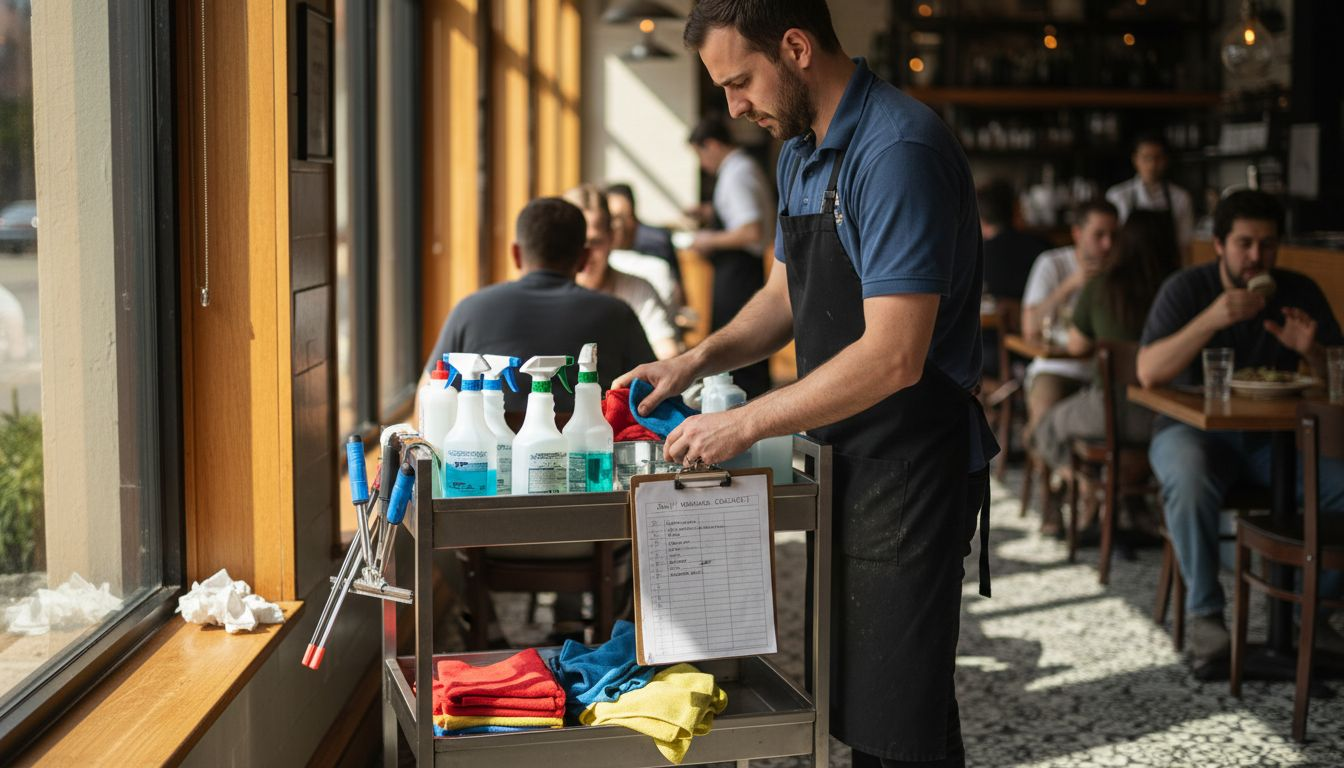
Streaky windows can distract diners and risk failing health checks in high-traffic areas like St. Augustine, Ponte Vedra, and Nocatee. For restaurant owners and managers, clean windows are more than aesthetic—they reflect your commitment to safety. By focusing on organized tools, strict cleaning protocols, and consistent inspection, you can achieve a crystal-clear ambiance that customers appreciate and regulators respect. Discover practical steps for preventing cross-contamination and elevating your restaurant’s visual impact through flawless window care.
Table of Contents
Quick Summary
Key Point | Explanation |
1. Organize cleaning tools | A dedicated container for window supplies prevents mixing and promotes efficiency in cleaning. |
2. Prepare windows before cleaning | Remove debris thoroughly before applying any cleaning solutions to ensure better results. |
3. Apply solution correctly | Use professional-grade cleaners and follow application techniques for streak-free surfaces. |
4. Scrub and wipe effectively | Employ proper scrubbing motions and use clean cloths to eliminate all dirt and prevent streaking. |
5. Conduct final inspection | Carefully check windows for streaks or dirt to ensure high standards of cleanliness and presentation. |
Step 1: Organize your restaurant window cleaning tools
Organizing window cleaning tools is the foundation of maintaining sparkling restaurant windows that impress customers and meet health standards. A well-prepared cleaning kit ensures efficiency and prevents cross-contamination during your cleaning process.
Start by selecting a dedicated storage container or rolling cart specifically for window cleaning supplies. This helps keep your tools organized and prevents mixing cleaning agents with other kitchen equipment. Gather essential tools like microfiber cloths and specialized cleaning solutions that are safe for restaurant environments. Include high-quality squeegees with rubber blades, lint-free cloths, extension poles for high windows, protective gloves, and a sturdy ladder for reaching difficult spots.
Arrange your tools systematically by placing cleaning solutions in leak-proof containers, hanging squeegees on hooks, and rolling microfiber cloths neatly in designated compartments. Regularly inspect your tools for wear and replace items that show signs of damage to maintain tool safety and cleaning effectiveness.
Pro Tip: Color-code your cleaning cloths to prevent cross-contamination between different restaurant areas and ensure each cloth is used exclusively for window cleaning.
Here’s a reference table summarizing the key window cleaning tools and their primary purpose:
Tool | Main Purpose | Impact on Cleaning |
Microfiber Cloths | Remove dust and polish glass | Prevents streaks |
Squeegee | Remove cleaning solution and water | Achieves clear finish |
Extension Pole | Reach high or difficult areas | Ensures thorough cleaning |
Protective Gloves | Protect hands from chemicals | Increases safety |
Leak-Proof Container | Store cleaning solutions securely | Reduces spills, safe prep |
Ladder | Access elevated window sections | Enhances safety, access |
Step 2: Prepare restaurant windows for cleaning
Preparing restaurant windows for thorough cleaning requires strategic planning and attention to detail. Your goal is to create an optimal environment for achieving spotless, streak-free results that enhance your restaurant’s professional appearance.
Begin by removing loose debris and dust systematically using a soft microfiber cloth or extendable duster. Start from the top of the window and work downward to prevent redistribution of dirt. Check window frames, sills, and corners for accumulated grime or cobwebs. Put on protective gloves and ensure adequate ventilation before introducing any cleaning solutions.
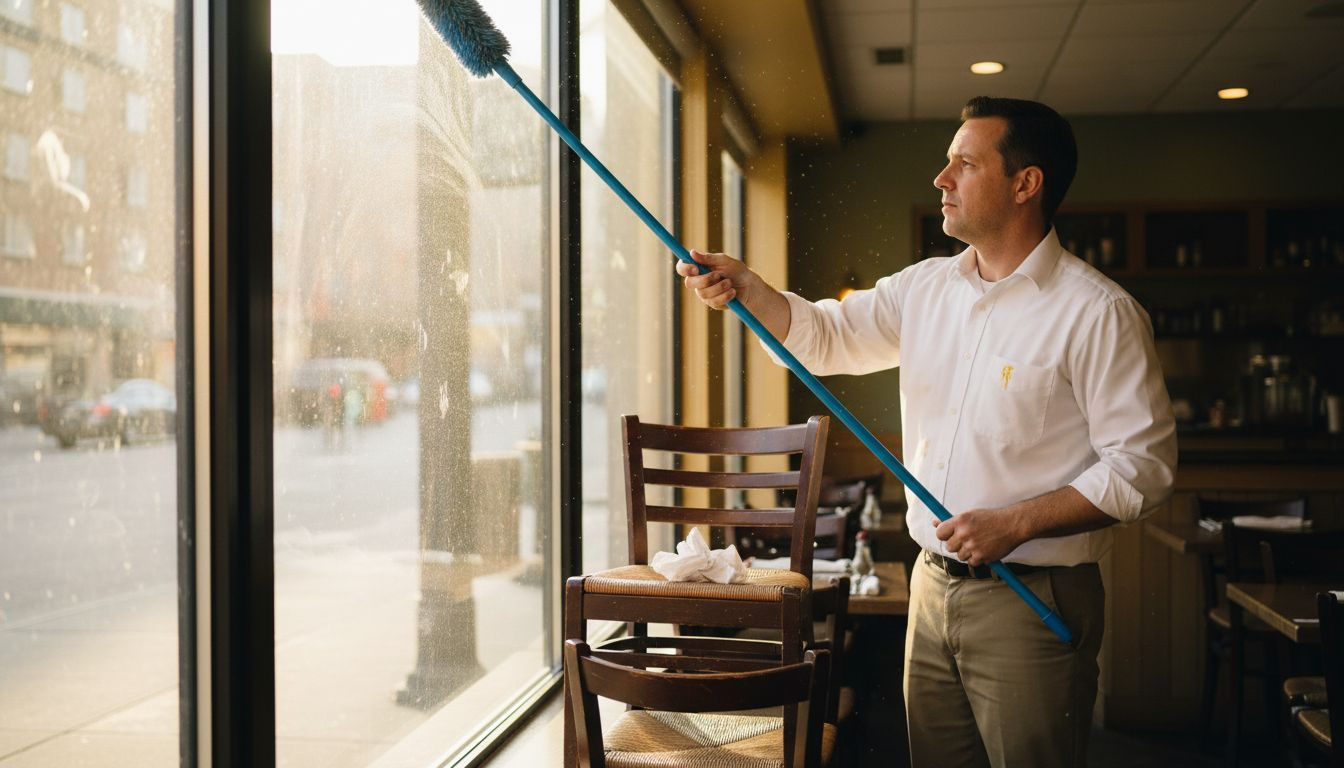
Gather all necessary cleaning supplies in advance, including commercial glass cleaner, microfiber towels, squeegees, and lint-free cloths. Follow strict safety protocols when preparing cleaning surfaces by checking that your cleaning agents are restaurant-grade and safe for food service environments. Remove any nearby food items or kitchen equipment to prevent potential contamination during the window cleaning process.
Pro Tip: Always test your cleaning solution on a small, inconspicuous window area first to ensure it does not damage the glass or leave unwanted residue.
Step 3: Apply professional-grade cleaning solution
Applying a professional-grade cleaning solution is critical for achieving streak-free, sparkling restaurant windows that create a pristine first impression for your customers. Proper application requires precision and understanding of cleaning chemistry to ensure optimal results.
Prepare sanitizing solutions with careful attention to concentration and safety guidelines. Choose a commercial glass cleaner specifically designed for restaurant environments, avoiding harsh chemicals that could damage window surfaces or leave residue. Dilute the solution according to manufacturer instructions using clean water and mix thoroughly. Apply the cleaning solution using a lint-free microfiber cloth or professional squeegee, working systematically from top to bottom to prevent streaking.
Develop consistent sanitization procedures that specify exact application techniques. Start by spraying the solution lightly onto the microfiber cloth rather than directly on the window to control distribution. Use smooth horizontal or vertical strokes, overlapping slightly to ensure complete coverage. Allow the cleaning solution brief contact time to break down dirt and grime effectively before wiping or squeegee removal.
Pro Tip: Wear protective gloves and work in a well-ventilated area to ensure your safety while applying professional cleaning solutions.
Step 4: Scrub and wipe windows for streak-free clarity
Achieving pristine restaurant windows requires a systematic scrubbing and wiping technique that removes dirt and grime while ensuring a crystal-clear finish. Your goal is to create a sparkling surface that enhances your restaurant’s professional appearance and invites customers inside.
Use precise physical scrubbing techniques to remove soil effectively. Begin with a microfiber cloth or soft sponge, applying moderate pressure in circular motions to break down stubborn dirt and grease. Focus on corners, edges, and areas with visible grime, working systematically across the entire window surface. Use your cleaning solution sparingly and concentrate on removing dirt particles without saturating the glass.
Implement a consistent wiping method to eliminate streaks using a clean, lint-free cloth or professional squeegee. Start from the top of the window and use overlapping vertical or horizontal strokes, wiping the squeegee blade clean after each pass. Rotate your cleaning cloth frequently to ensure you are always using a clean surface, which prevents redistributing dirt and minimizes streaking. Work quickly but methodically to prevent the cleaning solution from drying and leaving residue.
Pro Tip: Use newspaper or a microfiber cloth for final buffing to achieve an extra-sharp, streak-free shine that will impress your restaurant guests.
Step 5: Inspect and touch up all window surfaces
The final stage of restaurant window cleaning is a meticulous inspection to ensure absolutely pristine results that meet professional standards. Your attention to detail will transform good cleaning into exceptional window maintenance.
Carefully examine each window surface for remaining soil or streaks. Use natural light or position yourself at different angles to catch any missed spots, water marks, or residual streaks. Pay special attention to window edges, corners, and areas around frames where dirt tends to accumulate. Keep a clean microfiber cloth and spot cleaning solution nearby to address any imperfections immediately.
Complete a systematic final inspection process by moving methodically across each window. Gently buff out small streaks with a clean dry cloth, reapplying cleaning solution sparingly if needed. Compare windows side by side to ensure consistent clarity and shine. Remember that restaurant windows are a critical visual element that communicates your establishment’s commitment to cleanliness and professionalism.
Pro Tip: Keep a small spray bottle with diluted glass cleaner and a microfiber cloth in your cleaning kit for quick touch-ups during daily restaurant operations.
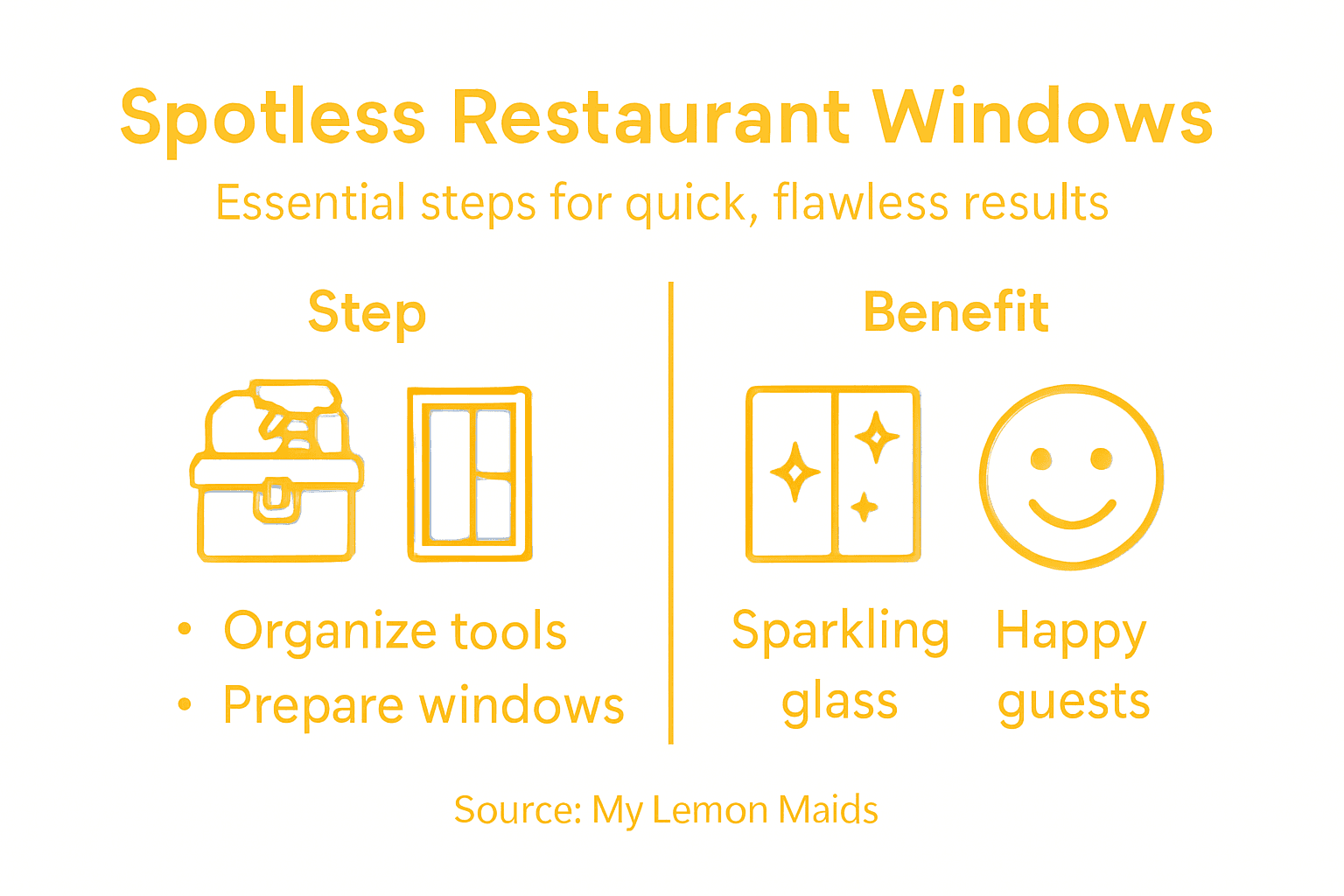
Review the main benefits of a five-step restaurant window cleaning routine:
Step | Primary Benefit | Business Impact |
Tool Organization | Faster setup, reduced confusion | Staff efficiency, hygiene |
Window Preparation | Easier dirt removal | Lowers cleaning time |
Professional Solution Application | Streak-free shine, safe process | Improved appearance |
Scrubbing and Wiping | Removes tough dirt, no residues | Better first impressions |
Inspection and Touch-Up | Maintains consistency, polishes | Customer satisfaction |
Keep Your Restaurant Windows Spotless Without the Stress
Maintaining pristine restaurant windows as detailed in the “Window Cleaning Guide Restaurant: Achieve Spotless Results Fast” can be a tough challenge. You want to avoid streaks and grime while following strict safety and hygiene standards. The pressure to keep windows crystal clear to impress customers while saving valuable time is real. Your goals include efficient tool organization, thorough preparation, and perfect cleaning application so your restaurant windows reflect your professionalism.
Let our expert team at My Lemon Maids take that burden off your shoulders. We specialize in commercial window cleaning tailored to your needs. We know how important it is to use professional-grade solutions and techniques to deliver streak-free clarity every time.

Get the sparkling restaurant windows your business deserves today. Visit My Lemon Maids to schedule your commercial window cleaning service and experience expert care designed for busy restaurant owners. Don’t wait for stained or foggy windows to hurt first impressions. Act now and keep your customers coming back with a clean, inviting look.
Frequently Asked Questions
What tools do I need for effective restaurant window cleaning?
You need essential tools like microfiber cloths, squeegees, extension poles, and high-quality cleaning solutions. Organize these in a dedicated storage container to ensure you can access them quickly when needed.
How do I prepare restaurant windows before cleaning?
Begin by removing loose debris and dust with a soft microfiber cloth or duster starting from the top down. This step prevents resettling dirt and helps create a clean surface for the cleaning solution.
What is the correct method for applying cleaning solutions?
Apply the cleaning solution using a lint-free microfiber cloth or squeegee, working systematically from the top to the bottom. For best results, spray the solution on the cloth instead of directly onto the window to control the application and prevent streaks.
How can I ensure my windows are streak-free after cleaning?
To prevent streaks, use smooth, overlapping strokes with a squeegee and wipe the blade after each pass. Regularly rotate your cleaning cloth to ensure you’re always using a clean surface.
What should I do if I notice streaks after cleaning?
Inspect each window surface closely using natural light to catch any missed spots or remaining streaks. Buff the affected areas gently with a clean microfiber cloth and reapply cleaning solution sparingly where needed to restore clarity.
How can I maintain the cleanliness of my restaurant windows?
Conduct regular inspections and touch-ups as part of your daily cleaning routine. Keeping a small spray bottle of diluted glass cleaner handy makes it easy to address any minor smudges quickly, ensuring your windows remain in top condition.
Recommended
Comments