Why Regular Pressure Washing Matters for Property Value
- jeffwashausen
- Jan 19
- 7 min read

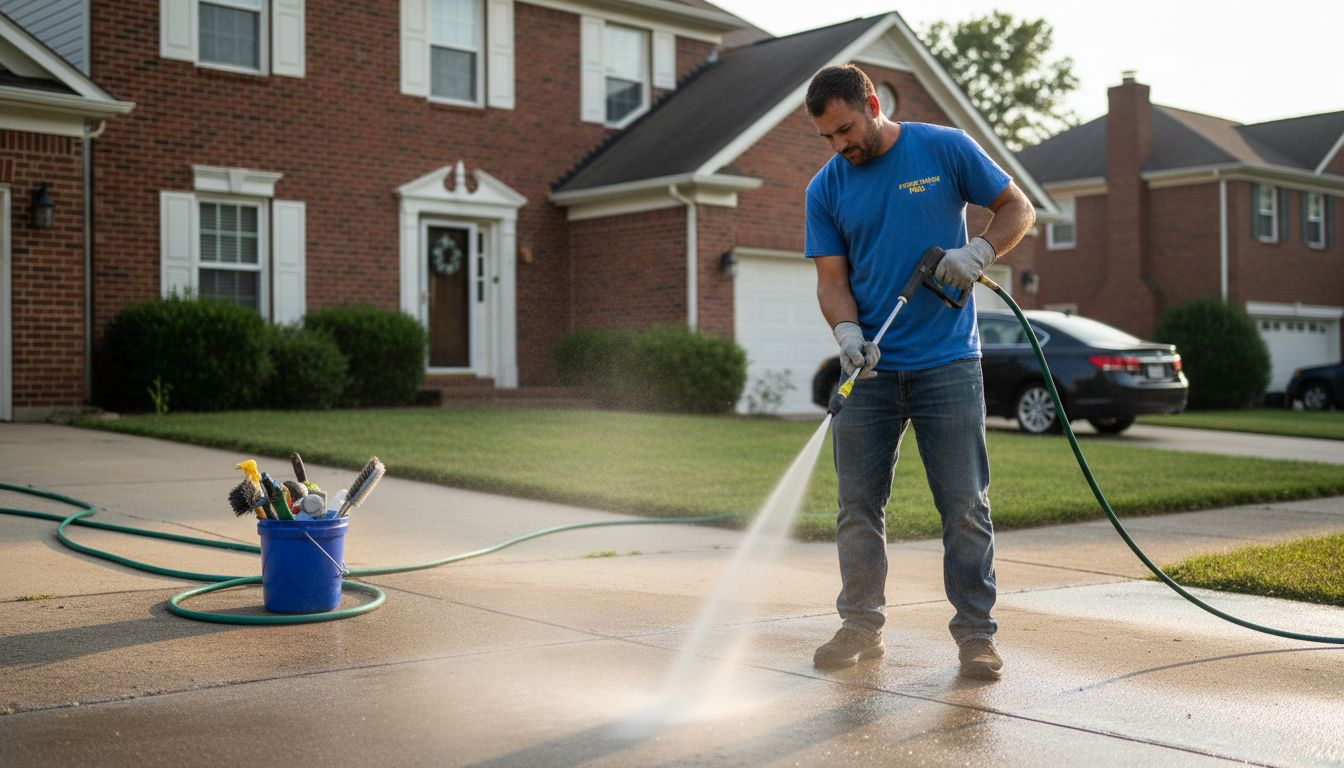
Most American homes lose over 10 percent of their value when curb appeal is neglected, especially in sought-after areas like St. Augustine, Ponte Vedra, and Nocatee. Stubborn Florida humidity fuels mold and grime that can lower property values faster than many expect. This guide reveals how professional pressure washing tackles tough buildup, protects your investment, and keeps your property looking fresh year-round.
Table of Contents
Key Takeaways
Point | Details |
Effectiveness of Pressure Washing | Pressure washing utilizes high-pressure water to effectively remove dirt and contaminants, preserving exterior surfaces and preventing long-term damage. |
Types of Pressure Washing | Hot water pressure washing is ideal for industrial cleaning, while cold water is suitable for residential applications. |
Importance of Regular Maintenance | Scheduling pressure washing annually helps prevent costly repairs and maintains property appearance and value. |
Risks and Best Practices | Improper pressure settings and chemical selection can damage surfaces; always test on a small area first to ensure safety. |
What Pressure Washing Really Means
Pressure washing is a powerful cleaning technique that uses high-pressure water spray to remove dirt, grime, and contaminants from various surfaces. By utilizing water pressure ranging from 750 to 30,000 psi, specialized cleaning equipment can transform dirty exteriors into pristine conditions within minutes.
Unlike traditional cleaning methods, pressure washing leverages intense water force to blast away years of accumulated dirt, mold, dust, and mud from buildings, concrete surfaces, driveways, and vehicles. The technology allows for precise pressure adjustments through specialized nozzles, enabling professionals to adapt cleaning intensity based on specific surface requirements. Hot water and cold water machines provide additional flexibility, making pressure washing a versatile solution for residential, commercial, and industrial cleaning needs.
Professional pressure washing goes beyond simple aesthetic improvements. By removing contaminants that can cause long-term damage, this cleaning method helps preserve surface integrity, prevent decay, and protect property investments. Proper technique is crucial - different surfaces require unique pressure levels and cleaning approaches to prevent potential damage.
Pro tip: Always test pressure washing equipment on a small, inconspicuous area first to ensure the surface can withstand the water pressure without sustaining damage.
Major Types of Pressure Washing Services
Pressure washing services are diverse and tailored to specific cleaning needs, with two primary categories defining the primary approaches: hot water and cold water pressure washing. Professional cleaning organizations emphasize that each type requires specialized equipment, techniques, and safety protocols to ensure optimal results.
Hot water pressure washers are particularly effective for industrial and commercial applications, excelling at removing tough contaminants like grease, oil, and stubborn grime from flat surfaces such as concrete driveways, parking garages, and gas stations. These machines use heated water to break down complex dirt and oil molecules, making them ideal for heavy-duty cleaning scenarios that demand intense degreasing capabilities.
Cold water pressure washers, conversely, are more commonly used in residential settings, providing versatile cleaning solutions for house exteriors, decks, roofs, gutters, and windows. These systems are perfect for removing dirt, mildew, algae, and light surface contamination without the need for heat. Specialized attachments like surface cleaners can be used to ensure even and consistent cleaning across large areas, making them a go-to solution for homeowners looking to maintain their property’s appearance.
Pro tip: Always consult with professional pressure washing technicians to determine the most appropriate water temperature and pressure settings for your specific cleaning project.
Here’s a concise comparison of hot water and cold water pressure washing solutions:
Feature | Hot Water Pressure Washing | Cold Water Pressure Washing |
Best for | Grease and oil removal | Dirt and mildew removal |
Typical Use Case | Industrial surfaces, parking lots | Home exteriors, decks, windows |
Cleaning Power | Breaks down tough contaminants | Effective for general grime |
Equipment Cost | Higher initial investment | More affordable for homeowners |
How Pressure Washing Extends Surface Life
Surface cleaning technologies play a critical role in preserving exterior surfaces by systematically removing harmful contaminants that cause premature degradation. Pressure washing acts as a powerful preventative maintenance technique, eliminating potentially destructive substances like mold, mildew, algae, dirt, and environmental pollutants before they can cause significant damage.
Different exterior materials face unique challenges from accumulated contaminants. Wood surfaces can rot and decay when moisture-trapping debris remains untreated, while concrete develops microscopic cracks that expand with trapped dirt and organic growth. Siding and roofing materials become vulnerable to structural compromise when pollutants are allowed to build up over time, creating potential entry points for moisture and accelerating material breakdown.
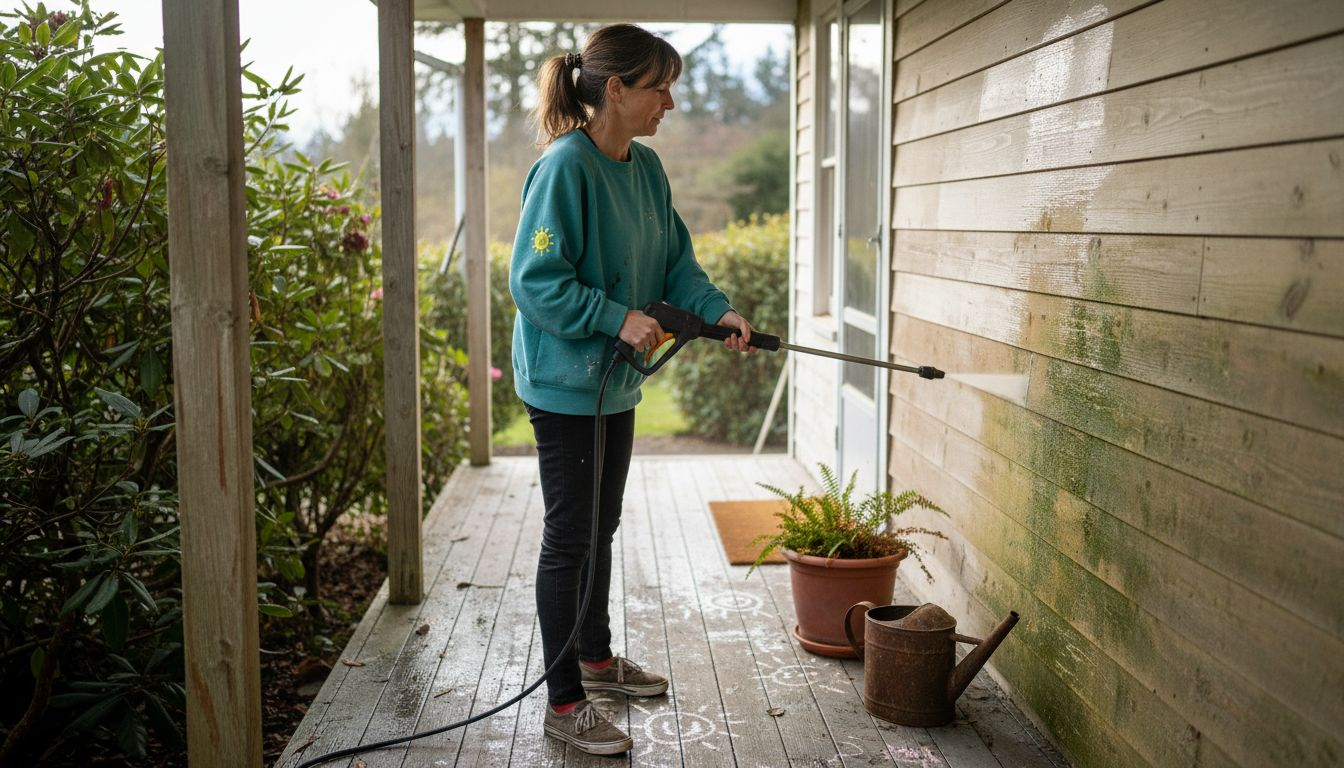
Regular pressure washing interrupts this destructive cycle by removing contaminants before they can embed deeply into surface structures. By strategically cleaning surfaces at recommended intervals, homeowners can effectively prevent costly repairs, extend material lifespan, and maintain the structural integrity of their property’s exterior components. The process not only improves aesthetic appearance but serves as a critical maintenance strategy that protects significant property investments.
Pro tip: Schedule professional pressure washing annually to create a consistent maintenance routine that prevents long-term surface deterioration.
This table summarizes the maintenance benefits of regular pressure washing for different materials:
Material | Key Risks Without Cleaning | Pressure Washing Benefit |
Wood | Rot, mold, decay | Extends lifespan, prevents warping |
Concrete | Cracking, algae, staining | Maintains strength, resists damage |
Siding | Moisture intrusion, pollutant buildup | Preserves appearance, prevents leaks |
Roofs | Algae, moss, premature wear | Increases durability, reduces repair |
Curb Appeal and Property Value Impact
Real estate research demonstrates that pressure washing can dramatically increase a home’s market value by $10,000 to $15,000, primarily through enhancing visual appeal and preventing exterior degradation. First impressions are critical in real estate, with potential buyers forming initial opinions within seconds of viewing a property’s exterior.
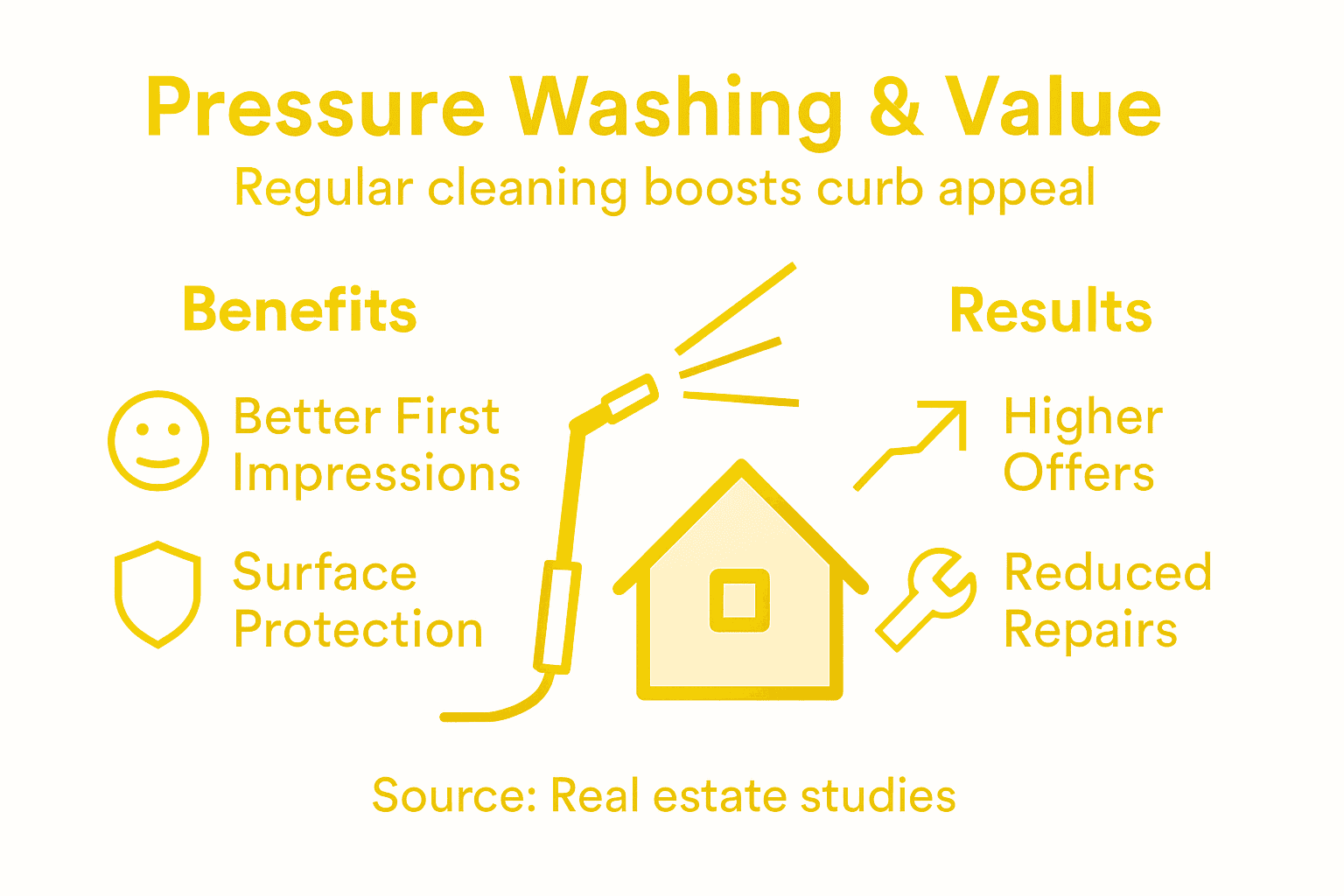
University studies highlight the significant financial impact of curb appeal, revealing that well-maintained exteriors can add up to 7% to a property’s sale price. This percentage translates to substantial monetary value, especially in competitive real estate markets. Clean, well-preserved surfaces signal to potential buyers that the property has been carefully maintained, reducing perceived maintenance risks and increasing overall attractiveness.
Pressure washing serves as a strategic investment that goes beyond aesthetic improvements. By removing dirt, mold, mildew, and environmental pollutants, homeowners can prevent long-term surface damage that could otherwise decrease property value. Real estate professionals consistently recommend professional exterior cleaning before listing a home, recognizing its power to create positive first impressions and potentially accelerate sale processes.
Pro tip: Invest in professional pressure washing 4-6 weeks before listing your home to maximize visual appeal and potential market value.
Health, Safety, and Environmental Benefits
Pressure washing techniques play a crucial role in creating healthier living environments by systematically removing harmful contaminants that can compromise human health and property safety. The process effectively eliminates allergens, mold spores, pesticide residues, and other potentially hazardous substances that accumulate on exterior surfaces, reducing respiratory risks and potential health complications.
Environmental safety considerations are paramount in modern cleaning practices. By minimizing the use of harsh chemical agents and relying primarily on high-pressure water technology, pressure washing provides an eco-friendly alternative to traditional cleaning methods. International safety guidelines emphasize the importance of responsible cleaning techniques that protect both human health and surrounding ecosystems, ensuring that runoff and cleaning processes do not introduce additional environmental contamination.
Beyond immediate health benefits, regular pressure washing contributes to long-term property maintenance and community well-being. By preventing the buildup of harmful organic materials like mold, algae, and bacteria, homeowners can protect not just their own health but also create a cleaner, safer environment for neighboring properties. The process serves as a preventative measure that addresses potential health risks before they can develop into more serious environmental or medical concerns.
Pro tip: Wear protective gear and ensure proper ventilation when conducting or observing pressure washing to minimize exposure to airborne contaminants.
Common Mistakes and What to Avoid
Pressure washing techniques require precision and careful execution to prevent unintended damage to surfaces and property. Homeowners and DIY enthusiasts often make critical errors that can lead to costly repairs, including using inappropriate pressure settings, selecting incorrect nozzles, or applying cleaning techniques without understanding specific surface requirements.
One of the most significant risks involves applying excessive water pressure, which can cause irreparable damage to delicate surfaces like wood siding, painted areas, and soft masonry. Different materials demand unique pressure levels - vinyl siding requires gentler treatment compared to concrete driveways, while wooden decks need specialized low-pressure techniques to prevent splintering or etching. Professionals recommend starting with the lowest possible pressure setting and gradually increasing intensity only when necessary.
Chemical selection represents another potential pitfall in pressure washing. Inappropriate or overly harsh cleaning agents can strip protective coatings, discolor surfaces, or create environmental hazards. Safety testing procedures emphasize the importance of understanding chemical compatibility, proper dilution, and environmental impact before application. Homeowners should always consult professional guidelines or seek expert advice when selecting cleaning solutions for different surface types.
Pro tip: Always conduct a small test patch in an inconspicuous area to verify pressure and chemical compatibility before cleaning entire surfaces.
Protect and Boost Your Property Value with Professional Pressure Washing
Maintaining your home’s curb appeal and structural integrity is more than just a beauty routine. The article highlights how regular pressure washing prevents costly damage from mold, mildew, and pollutants while significantly enhancing property value by up to $15,000. If you want to avoid the frustration of premature surface deterioration and lost market potential, expert cleaning services are the key. Our team at My Lemon Maids specializes in tailored pressure washing solutions for both residential and commercial properties to keep your investment looking its best.

Don’t wait until grime or algae starts damaging your exterior surfaces. Schedule your professional pressure washing now with My Lemon Maids. Combining years of experience in pressure washing with comprehensive cleaning options like window cleaning and post-construction cleaning, we make revitalizing your property effortless and effective. Book today to protect your home and increase its value before your next listing or season change.
Frequently Asked Questions
How does pressure washing improve property value?
Pressure washing enhances property value by improving curb appeal and preventing exterior degradation. Clean surfaces can lead to higher offers from potential buyers and increase resale value by thousands.
What surfaces can benefit from regular pressure washing?
Regular pressure washing can benefit a variety of surfaces, including wood, concrete, siding, and roofs. Each material has specific cleaning requirements that professionals can address effectively.
How often should I schedule pressure washing for my property?
It’s recommended to schedule professional pressure washing at least once a year. This helps maintain the appearance and integrity of exterior surfaces, preventing long-term damage.
What are common mistakes to avoid during pressure washing?
Common mistakes include using the wrong pressure settings, selecting inappropriate nozzles, and applying harsh chemicals. Always test a small area first and consult professional guidelines for best practices.
Recommended
Comments