
Why post-construction cleanup is essential for home safety
- Glenn Brosnick
- 3 days ago
- 10 min read
TL;DR:
Post-construction cleanup involves removing hazardous dust, debris, and chemical residues to ensure safety and health. It requires specialized methods, equipment, and thorough inspections to prevent risks like silica dust exposure and physical injuries. Professional cleaning creates a verified, safe environment, making it essential for proper post-build readiness.
You just finished a renovation or new build, and the space looks great from a distance. But what you cannot see may be the bigger problem. Fine construction dust, stray nails, and chemical residues can linger long after the last contractor leaves, creating real health and safety risks for anyone who enters the property. Silica dust from construction poses invisible but severe health hazards unless properly cleaned, which is why understanding what thorough post-construction cleanup actually involves can protect your family, your tenants, and your investment.
Table of Contents
Key Takeaways
Point | Details |
Hidden hazards persist | Construction cleanup removes invisible dust and dangerous debris that put health and safety at risk. |
Proper methods matter | Using the right vacuums, processes, and checklists is essential for thorough results. |
Legal and health stakes | Cutting corners on cleanup can lead to fines, legal trouble, and lingering health risks. |
Pros close the gap | Professional services ensure every detail meets high standards for a truly move-in ready space. |
What is post-construction cleanup and why does it matter?
Post-construction cleanup is the systematic process of removing all construction-related waste, dust, debris, and residue from a property after building or renovation work is complete. It is not the same as a standard house cleaning. It requires specific methods, equipment, and a room-by-room approach that addresses hazards most people do not think to check.
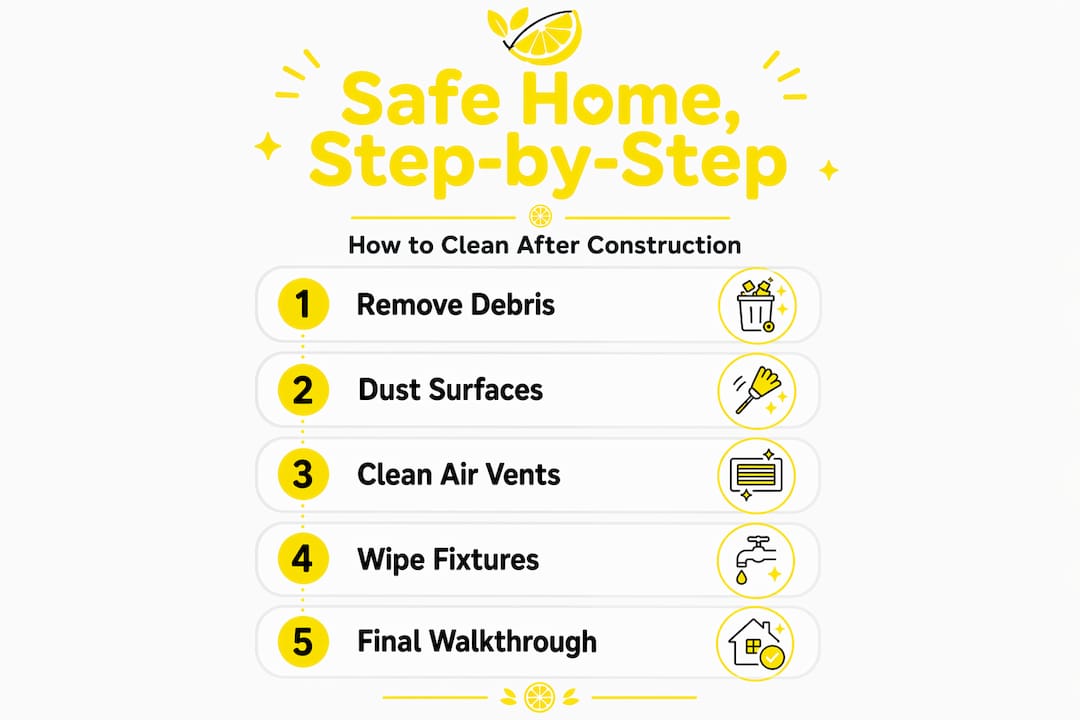
The post construction cleaning steps typically fall into three phases: rough cleanup (removing large debris and bulk waste), detail cleanup (wiping surfaces, cleaning fixtures, and removing fine dust), and final cleanup (polishing, inspecting, and verifying the space is move-in ready). Each phase builds on the last, and skipping any one of them leaves hazards behind.
Here is what post-construction cleanup actually covers:
Debris removal: Hauling away lumber scraps, drywall pieces, packaging, and leftover materials
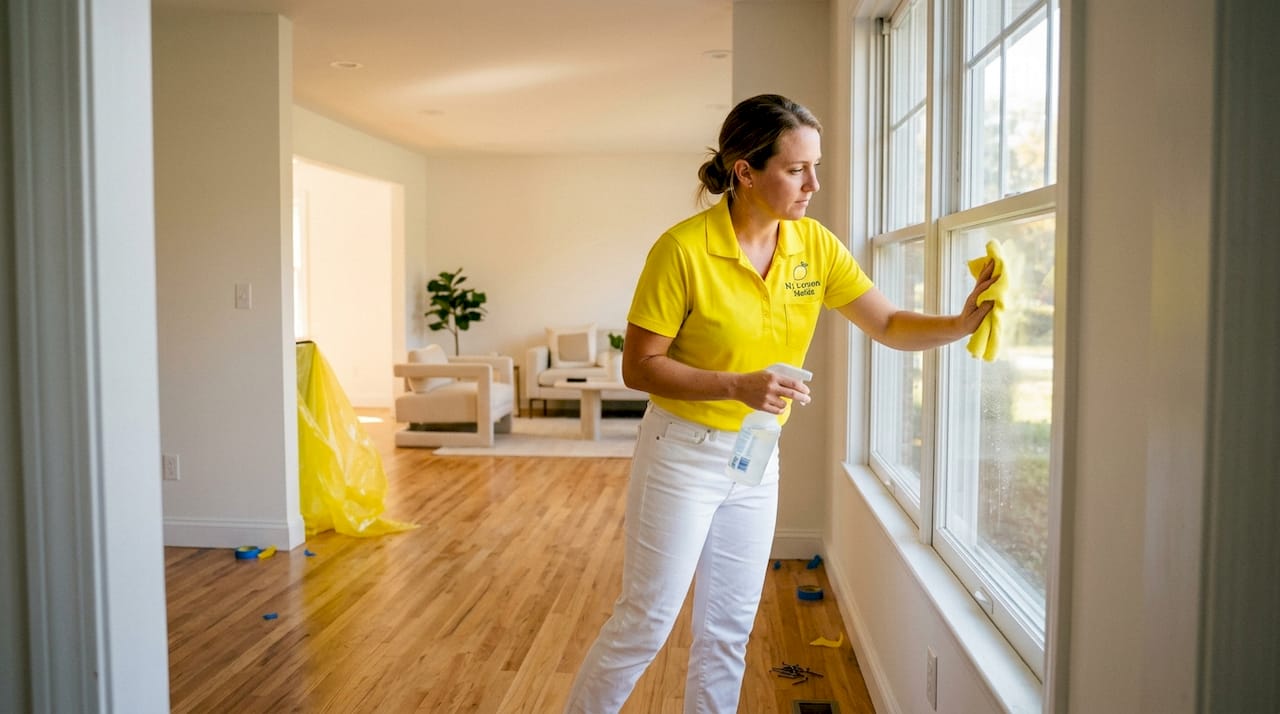
Dust control: Vacuuming and wiping all surfaces, including walls, ceilings, and floors, using proper filtration equipment
Surface sanitization: Cleaning countertops, cabinets, windows, and fixtures to remove adhesive residue, paint splatter, and grime
HVAC and vent cleaning: Clearing construction dust from air vents and return air ducts before the system runs
Floor care: Removing protective coverings and cleaning or polishing the finished floor beneath
OSHA housekeeping guidance makes clear that floors, walkways, passageways, stairs, and work surfaces must be kept free from accumulated debris and hazards. That standard does not disappear once construction ends.
A property that looks clean to the naked eye can still contain hazardous levels of airborne dust, hidden debris in corners, and chemical residue on surfaces. Visual cleanliness is not the same as actual cleanliness.
Understanding the post construction cleaning meaning helps you set the right expectations before you or your tenants move in.
Health and safety risks: The unseen hazards after construction
Once you understand what post-construction cleanup involves, the next step is knowing exactly what you are up against if it is done poorly or skipped entirely.
Construction sites generate a wide range of airborne particles. The most dangerous is crystalline silica, a fine particle released when cutting, grinding, or drilling concrete, brick, mortar, and tile. OSHA sets a permissible exposure limit of 50 µg/m³ as an 8-hour time-weighted average for respirable crystalline silica. Exposure above that level over time can cause silicosis, a serious and irreversible lung disease.
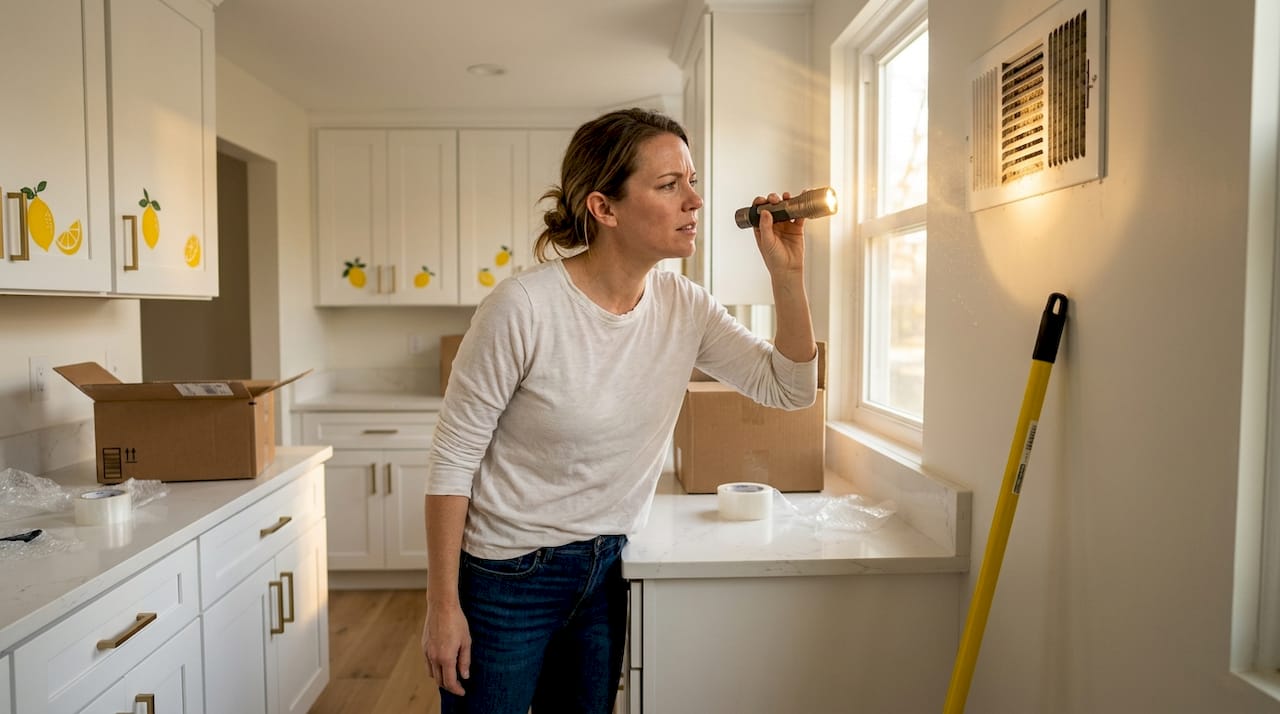
The problem with silica dust is that it is invisible to the eye. It settles on surfaces and becomes airborne again when disturbed by foot traffic, opening windows, or turning on the HVAC system. Standard sweeping actually makes this worse by sending fine particles back into the air.
Other physical hazards left behind after construction include:
Protruding nails and screws in baseboards, subfloors, or wall cavities
Broken glass or tile fragments in corners and under appliances
Loose electrical components or exposed wiring not yet secured
Chemical residue from adhesives, sealants, and paint thinners on surfaces
Here is a quick comparison of DIY cleanup versus professional post-construction cleaning:
Factor | DIY cleanup | Professional cleanup |
Dust removal | Standard vacuum or broom | HEPA-filtered vacuum and damp wiping |
Debris handling | Basic trash bags | Proper sorting and regulated disposal |
HVAC/vents | Often skipped | Inspected and cleared |
Surface sanitization | General wipe-down | Chemical-appropriate cleaning per surface type |
Compliance | No formal standard | Follows OSHA-aligned protocols |
Time | Unpredictable | Scheduled and efficient |
Pro Tip: Do not run your HVAC system until the vents and filters have been cleaned. Construction dust pulled through the system will circulate through every room in the house, coating freshly cleaned surfaces and reducing air quality.
For a deeper look at what it takes to remove dust for safer homes, the difference between surface-level cleaning and proper dust control is significant. Understanding why professional cleaning matters in this context can help you make a smarter decision for your property.
Proper waste handling and legal responsibilities
Airborne dust is one concern, but what you do with leftover construction debris is equally important. Improper disposal is not just messy. It can result in fines, environmental violations, and liability issues.
Improper debris disposal can create safety hazards and environmental or legal risk, according to the EPA. That includes everything from dumping construction waste in regular trash bins to leaving treated wood or paint cans in ways that contaminate soil or water.
Here is a step-by-step process for safe waste handling after construction:
Sort the debris by category. Separate clean wood, drywall, metal, cardboard, and hazardous materials before disposal. Mixed loads are harder to recycle and may violate local ordinances.
Identify hazardous materials. Paint cans, solvents, adhesives, and treated lumber require special handling. Contact your local waste management authority for approved drop-off sites.
Arrange for a dumpster or haul-away service. For larger projects, a roll-off dumpster from a licensed hauler ensures debris is transported to the right facility.
Check local regulations. St. Augustine, Ponte Vedra, and Nocatee each have specific rules about construction waste disposal. Some materials require a manifest or permit.
Document your disposal. Keep receipts or records from waste haulers in case of a future inspection or liability claim.
Clear the site completely. Do not leave scrap lumber, nails, or packaging materials on the property. These create trip hazards and can attract pests.
Leaving construction waste on a property, even temporarily, can expose you to fines from local code enforcement and create liability if someone is injured.
Pro Tip: If your contractor says they will “handle cleanup,” ask specifically what that includes. Most contractors remove their own tools and large debris but do not perform the detail cleaning needed for a safe, move-in-ready property. Get the scope in writing.
For a full walkthrough of what to tackle room by room, the post-renovation cleanup guide covers the process in practical detail.
Best practices: Cleaning methods that actually work
Knowing what to clean is only half the equation. The other half is using the right tools and methods so you actually remove hazards rather than just move them around.
Standard mops and regular vacuums are not enough for post-construction cleanup. A conventional vacuum without a HEPA filter (High Efficiency Particulate Air filter) will capture larger particles but allow fine dust to pass through the exhaust and re-enter the air. That means you can vacuum a room and actually make the air quality worse.
HEPA-filtered vacuuming and surface-by-surface cleaning are repeatedly emphasized by cleaning authorities as essential for thoroughness after construction. The reason is simple: fine dust behaves differently than ordinary household dirt. It settles slowly, clings to vertical surfaces, and gets trapped in porous materials like grout, carpet, and wood grain.
Effective post-construction cleaning practices include:
HEPA vacuuming first: Always vacuum before wiping. Wiping disturbs settled dust and sends it airborne again if you have not captured it first.
Top-to-bottom cleaning order: Start at ceiling level (light fixtures, crown molding, tops of cabinets) and work downward so falling dust lands on surfaces you have not cleaned yet.
Damp wiping all hard surfaces: Use microfiber cloths slightly dampened with water or an appropriate cleaning solution to trap fine dust rather than spread it.
Cleaning inside cabinets and drawers: Construction dust gets everywhere, including inside storage spaces that will hold food, dishes, or clothing.
Scrubbing grout lines and tile: Dust and adhesive residue settle into grout and require a firm brush and proper cleaner to remove fully.
Wiping down all windows and frames: Paint overspray, adhesive, and dust accumulate on glass and frames during construction.
Common pitfalls to avoid:
Skipping air vents and returns (dust will recirculate when the HVAC runs)
Using dry cloths on dusty surfaces (spreads particles rather than capturing them)
Forgetting light switch plates, outlet covers, and door hardware
Leaving protective plastic sheeting in place too long (it traps moisture and can cause mold)
Pro Tip: Clean light fixtures and ceiling fans before you turn them on for the first time. The heat and airflow from a dusty fixture will spread fine particles across the entire room within minutes.
For more guidance, the expert post-construction tips checklist walks through each area of the home with the level of detail that professionals use on every job.
Signs your cleanup is complete and common mistakes to avoid
Even with the right methods, it is easy to miss things. Knowing what a completed cleanup looks like helps you verify the work before you move in, lease the unit, or hand it over to a client.
Here are the checkpoints that confirm a post-construction cleanup is truly done:
All surfaces are dust-free, including baseboards, window sills, shelving, and the tops of doors
Vents and registers are clear of dust and debris, with filters replaced or cleaned
Floors are free of debris, adhesive residue, and protective coverings
Stairs and walkways are unobstructed with no loose materials, nails, or scraps
All windows are clean inside and out, with no paint overspray or smearing
Bathrooms and kitchens are sanitized, with grout scrubbed and fixtures polished
No construction odors remain, which can indicate lingering chemical residue or trapped debris
OSHA housekeeping guidance specifically calls out the removal of excess waste and scrap lumber with protruding nails as a baseline safety requirement. If you can still find loose nails or scraps anywhere on the property, the cleanup is not finished.
Commonly missed spots include:
Inside closets and pantries where dust settles on shelves
Under and behind appliances that were installed during construction
Inside HVAC ducts and air handlers
Garage floors and utility rooms that are often treated as lower priority
Exterior entryways and thresholds that track debris back inside
Pro Tip: Do a final walkthrough with a flashlight. Angling light across surfaces reveals dust and residue that looks invisible under normal lighting. This is the same technique professional inspectors use.
Use the cleanup checklist steps to make sure nothing gets missed before you declare the job complete.
The uncomfortable truth about construction cleanup: Why most projects fall short
Here is something most contractors will not tell you: cleaning is not their job, and most of them are not equipped to do it properly even when they try. A construction crew’s expertise is in building. Their cleanup at the end of a job is typically limited to removing their own tools, sweeping the floor, and hauling away the biggest pieces of debris. That is not the same as a thorough post-construction clean.
We have worked in properties across St. Augustine, Ponte Vedra, and Nocatee where the contractor had “cleaned up” before we arrived. In nearly every case, we found fine dust coating the inside of cabinets, debris inside HVAC vents, paint residue on windows, and adhesive on tile surfaces. None of it was visible at a glance. All of it needed professional attention.
The benefits of professional cleaners in a post-construction context go beyond equipment. Professional cleaning crews follow structured checklists, use HEPA-rated tools, and are trained to spot hazards that untrained eyes miss. They also understand how to handle different surface types without causing damage, which matters a great deal on new finishes.
The risk of skipping professional cleanup is not just about comfort. It is about liability. If a tenant moves into a property and develops respiratory issues linked to silica dust exposure, or if someone is injured by a nail left in a baseboard, the property owner can be held responsible. A documented professional cleaning creates a record that the property was properly prepared.
DIY cleanup also tends to take far longer than expected and often results in re-cleaning the same areas multiple times. What looks clean after one pass frequently needs another once the dust settles again. Professionals account for this with multi-stage cleaning protocols that prevent re-contamination.
Get your property move-in ready with trusted post-construction cleanup
If you are finishing a renovation or new build in St. Augustine, Ponte Vedra, or Nocatee, you deserve a cleaning team that understands what thorough actually means.

At Lemon Maids, we provide deep cleaning services tailored specifically to post-construction properties, covering every surface, vent, fixture, and floor with the equipment and protocols needed to meet real safety standards. We also offer commercial cleaning details for offices, retail spaces, and multi-unit properties finishing construction or renovation. And our window washing services remove paint overspray, adhesive, and construction grime from glass inside and out. Whether you are a homeowner, landlord, or property manager, we can schedule a post-construction cleaning consultation and give you a clear, upfront quote.
Frequently asked questions
What makes post-construction dust so dangerous?
Fine construction dust, especially silica, stays airborne for extended periods and is harmful to breathe in over time. OSHA sets a PEL of 50 µg/m³ for respirable crystalline silica due to serious long-term health risks, making thorough HEPA-filtered cleaning essential before occupancy.
Can I handle construction cleanup myself or should I hire professionals?
Small surface cleaning tasks may be manageable on your own, but professionals use specialized equipment and follow structured protocols that DIY methods often miss. HEPA-filtered vacuuming and surface-by-surface cleaning are consistently recommended for thorough, safe results.
What debris needs special disposal during construction cleanup?
Materials like drywall, treated wood, paint cans, and chemical solvents must be handled separately and disposed of through proper regulated channels. Improper debris disposal creates safety hazards and carries real environmental and legal risk.
How can I verify my property is really clean after construction?
Check for dust-free vents, clean surfaces, no leftover debris or construction odors, and clear floors and walkways throughout the property. OSHA guidance emphasizes that all work surfaces and areas must be orderly and free of waste before a space is considered safe for use, and a professional checklist is the most reliable way to confirm this.
Recommended
Comments