7 Easy Ways to Keep Your Apartment Clean Every Day
- jeffwashausen
- Jan 22
- 18 min read

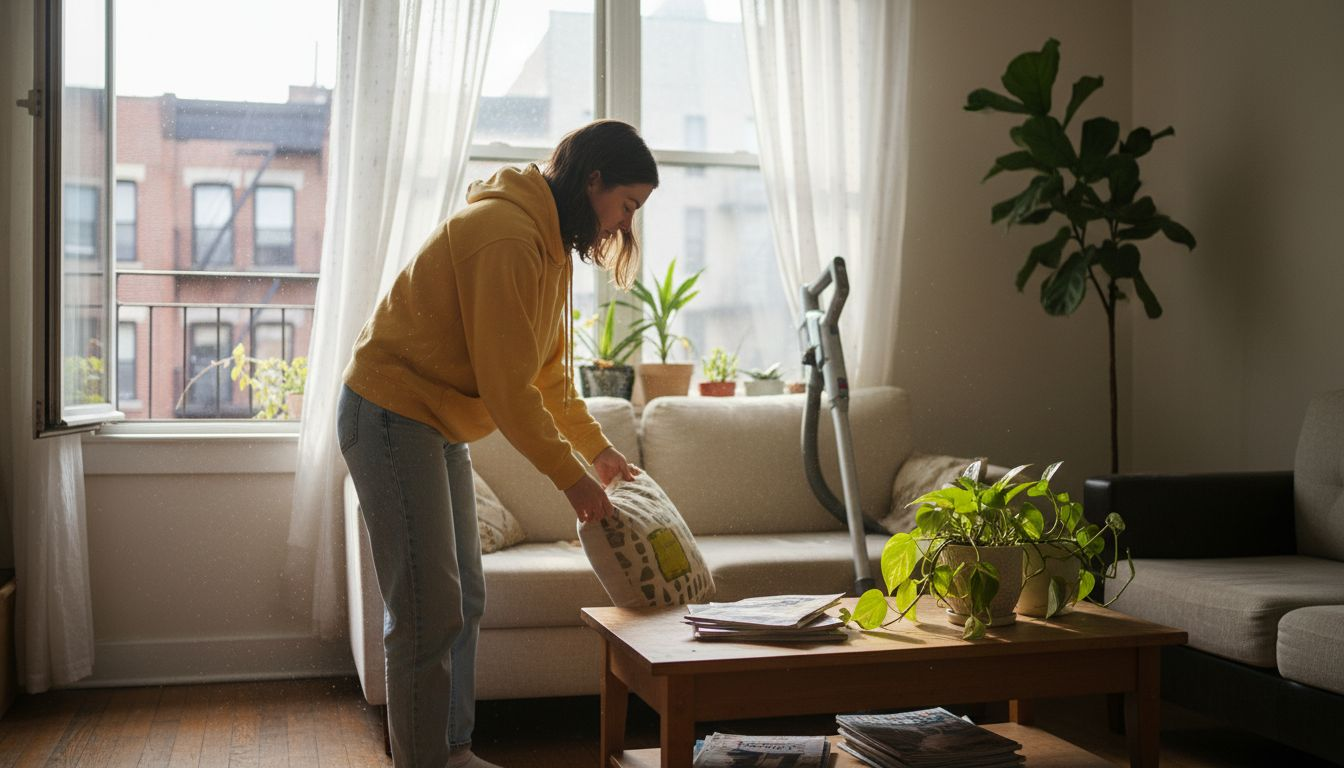
Keeping your apartment consistently clean can feel like a losing battle, especially when clutter builds up and daily life gets busy in St. Augustine. Small spaces get messy fast, and the stress from piles of laundry or dirty surfaces easily grows with each passing day. Whether you live alone or share your space, finding cleaning habits that actually fit your routine is a challenge most renters face.
The good news is you can create a more peaceful, organized home without hours of work or endless frustration. By following simple, science-backed methods, you will discover how to break chores into manageable daily steps, use gentle natural cleaners, and make cleaning feel less like a burden. These practical strategies help transform your apartment into a fresh, welcoming space you actually enjoy living in.
Get ready to learn specific techniques that will not only keep your apartment cleaner but also reduce stress and save time. The insights ahead are designed to be easy to start and even easier to keep up, turning daily cleaning into a routine you can rely on.
Table of Contents
Quick Summary
Takeaway | Explanation |
1. Establish a Daily Cleaning Routine | Break cleaning into daily tasks to prevent overwhelm and maintain a tidy apartment effortlessly. |
2. Declutter Regularly for Clarity | Regularly remove clutter to reduce anxiety and create a calm, organized living space. |
3. Use Natural Cleaners for Safety | Opt for homemade cleaners to maintain a fresh environment while protecting your health and the planet. |
4. Prioritize High-Traffic Areas | Focus cleaning efforts on high-traffic zones like kitchens and bathrooms for the greatest impact. |
5. Incorporate Music and Timers | Use music or timers to make cleaning enjoyable and efficient, keeping motivation high during tasks. |
1. Set Up a Simple Daily Cleaning Routine
A daily cleaning routine is the foundation that keeps your apartment from becoming overwhelming. When you break cleaning into manageable daily tasks rather than attempting massive weekend overhauls, you’ll maintain a tidy space with minimal effort each time. The key is designing a routine that fits your schedule and works consistently.
Developing routines organizes your days to make completing tasks easier without overthinking each step. Think of your daily routine as a series of small habits stacked throughout your day, rather than a single block of time reserved for cleaning. For apartment renters in St. Augustine, where humidity and frequent comings and goings can quickly accumulate dust and clutter, having a structured approach prevents dirt from taking hold.
Start by identifying your priority areas. Most apartments benefit from focusing on high traffic zones and places where bacteria and germs accumulate fastest. [Disinfecting food preparation surfaces, sinks, and toilets] should be part of your weekly priorities, while daily tasks might include wiping down kitchen counters after meals, doing a quick sweep of main living areas, and tidying up clutter before bed. Breaking activities into smaller steps with specific timing and responsibilities helps maintain consistency and order.
The magic happens when you pair new cleaning habits with activities you already do. If you make your morning coffee, that’s when you wipe down the kitchen sink. After dinner, you clear the table and sweep the floor. After your shower, you quickly wipe down the bathroom mirror and counter. This habit stacking approach means cleaning becomes part of your natural flow rather than an extra chore demanding willpower.
Your routine should be realistic for your lifestyle. Starting small and adding one new habit weekly works better than overhauling everything at once. If you share your apartment with roommates, designate specific responsibilities so cleaning becomes a shared duty rather than falling on one person. Family life runs more smoothly when housework is a shared responsibility, and the same applies to roommate situations.
Consider breaking your week into themes. Monday might focus on bathrooms, Wednesday on floors, Friday on kitchen deep tasks. This distributes the workload evenly rather than cramming everything into one day. Your routine gives structure and predictability to your living space, making it easier to maintain momentum week after week.
Pro tip: Set a phone reminder for your most important daily tasks during your first two weeks, then your brain will start auto-triggering these habits without needing the alert.
2. Declutter Regularly for a Tidy Space
Clutter is one of the biggest obstacles to keeping your apartment clean. Even if you sweep and dust regularly, piles of items on surfaces, overflowing closets, and scattered belongings make your space feel chaotic and dirty. Decluttering regularly removes the visual noise and creates room for actual cleaning to happen.
The relationship between clutter and your mental state is stronger than you might think. Cluttered living spaces can cause anxiety and stress by reminding you of undone chores and increasing feelings of guilt and overwhelm. When you look around your apartment and see piles everywhere, your brain registers unfinished tasks, even if you’re not consciously thinking about them. By contrast, [keeping a calm, organized home environment] reduces anxiety and increases relaxation.
The good news is you do not need to tackle your entire apartment at once. Decluttering works best when you pick impactful spots to start, begin small to build momentum, and be intentional about your priorities. Focus on the areas you use most frequently, like your bedroom, living room, or kitchen. These visible areas affect your daily mood and stress levels more than a rarely used closet does. Starting with high-impact zones gives you quick wins that motivate you to continue.
Break larger decluttering jobs into manageable parts. Set a timer for 15 or 20 minutes and work on one drawer, one shelf, or one corner. This short-burst approach prevents overwhelm and fits easily into your schedule. You might spend 20 minutes clearing your nightstand one day, tackle your kitchen junk drawer the next day, and organize your closet the day after. Over the course of a week, you’ve made significant progress without feeling exhausted.
Decluttering promotes situational control and reduces fear. When you know where everything is and have only what you actually use in your space, you feel calmer and more capable. This process also cultivates gratitude and mindfulness. As you sort through your belongings, you become aware of what adds value to your life and what just takes up space. A mindful decluttering process involves organizing frequently used spaces and leads to increased satisfaction and healthier habits.
For apartment renters in St. Augustine, decluttering is especially valuable because rental spaces often feel temporary and small. By intentionally keeping only what matters, you make your rented apartment feel like home rather than a storage unit. The mental clarity that comes from a decluttered space makes the actual cleaning tasks feel lighter and more manageable.
Pro tip: Create a donation box and place one item in it each day rather than waiting for a massive decluttering session. This tiny habit builds momentum without triggering decision fatigue.
3. Use Natural Cleaners for Fresh Results
Commercial cleaning products often contain harsh chemicals that leave strong odors and can irritate your respiratory system. Natural cleaners offer an effective alternative that keeps your apartment fresh while protecting your health and the environment. You likely already have the ingredients you need sitting in your kitchen pantry.
Homemade natural cleaners are gentle, environmentally friendly, and customizable to your preferences. The beauty of making your own cleaners is that you control exactly what goes into them and what fumes you breathe while cleaning. Common ingredients include vinegar, baking soda, essential oils, and castile soap. Vinegar works as an acid that dissolves mineral deposits and grease. Baking soda acts as an abrasive that scrubs surfaces without scratching them. Together, these two ingredients create a fizzing action that lifts dirt from surfaces. Essential oils add pleasant scents while providing antimicrobial benefits.
Natural cleaners effectively remove dirt, grease, stains, and odors from virtually every household surface. For your kitchen counters, mix equal parts water and white vinegar in a spray bottle, then add a few drops of lemon essential oil. This solution cuts through grease and leaves a fresh citrus scent. For bathroom tiles and tubs, sprinkle baking soda, spray with your vinegar mixture, let it sit for 10 minutes, then scrub and rinse. For floors, dilute vinegar with water (one part vinegar to three parts water) and mop as usual.
Choosing [natural cleaning products reduces indoor chemical exposures] linked to health risks, particularly for people with asthma or sensitive respiratory systems. Conventional cleaners release volatile organic compounds (VOCs) that linger in your apartment long after you finish cleaning. These compounds can cause headaches, dizziness, and respiratory irritation. Natural cleaners avoid these harmful chemicals while still delivering the cleaning power you need. Your apartment stays fresher longer because you are not masking dirt with overpowering artificial fragrances.
For apartment renters, natural cleaners are especially practical because they work on virtually any surface without risking damage to walls, tile, or fixtures. You can customize recipes based on what you have available. If you run out of vinegar, lemon juice works similarly. If you prefer different scents, swap in your favorite essential oil. Different cleaner types serve varied purposes, from acidic solutions for mineral deposits to alkaline mixtures for grease, so understanding basic chemistry helps you mix the right formula for each job.
The cost savings are significant. A bottle of white vinegar and a box of baking soda cost just a few dollars combined and last for months. Most natural cleaning recipes cost pennies per batch compared to five or six dollars per bottle for commercial cleaners. You can make fresh batches whenever you need them without storing multiple bottles under your sink.
Pro tip: Keep a spray bottle of your vinegar and water solution under each sink so you can wipe spills immediately without searching for your cleaner, making daily maintenance feel effortless.
4. Focus on High-Traffic Areas First
Not all areas of your apartment require the same cleaning attention every single day. Focusing your daily cleaning efforts on high-traffic zones gives you the biggest impact for your time investment. These areas accumulate dirt and germs far more quickly than rarely used spaces, so prioritizing them keeps your apartment genuinely clean where it matters most.
High-traffic areas like kitchens, bathrooms, entryways, and living rooms are where you and anyone visiting spend the most time. These zones accumulate dirt and germs more quickly because they receive constant foot traffic and hand contact. Prioritizing surfaces touched frequently such as door handles, countertops, and sinks reduces the risk of contamination and helps maintain overall home hygiene. When you focus your daily cleaning efforts on these zones, you prevent the buildup of grime that would otherwise require much harder scrubbing later.
Your kitchen deserves the most attention because it is where you prepare food. Wipe down countertops after meals, clean the stovetop, and sanitize your sink daily. These actions prevent bacteria from spreading to your food and reduce the risk of foodborne illness. Your bathroom is the second priority because it is another high-touch zone with moisture that promotes mold and mildew growth. A quick daily wipe-down of the sink, toilet, and shower walls prevents buildup and keeps the space hygienic.
Entryways are often overlooked but deserve regular attention. This is where dirt from outside gets tracked in first. A daily sweep or quick vacuum right inside your door prevents soil from spreading throughout your apartment. Light switches, doorknobs, and other frequently touched surfaces accumulate germs and dust throughout the day. [Cleaning high-touch areas multiple times per day lowers risks of pathogen spread], which is especially important during cold and flu season or if you live with roommates.
The practical benefit of this approach is that you avoid spending time cleaning closets, baseboards, or other low-traffic areas every single day. You can tackle those deeper cleaning tasks on weekends or when you have extra time. Your daily routine focuses on the spaces that actually affect your comfort and health. Spending 15 minutes per day on high-traffic areas maintains them consistently, whereas ignoring them and attempting a 90-minute deep clean on Sunday means living in a dirty apartment all week.
For apartment renters in St. Augustine, this approach is particularly smart because you are managing limited square footage. In a smaller apartment, high-traffic areas become even more crucial because they make up a larger percentage of your visible living space. When your kitchen and living room are clean and organized, your entire apartment feels clean even if your bedroom closet needs attention.
Create a simple mental map of your high-priority zones and tackle them first each day. Start in the kitchen, move to the bathroom, then hit entryways and main living spaces. Once those areas look and feel fresh, your apartment feels genuinely clean. You can save detailed cleaning of less-used areas for weekly tasks or as time permits.
Pro tip: Keep a small cleaning caddy with disinfectant wipes and a microfiber cloth near your main living spaces so you can quickly wipe high-touch surfaces like light switches and remote controls while you are already in that area.
5. Master Quick Kitchen and Bathroom Wipe-Downs
The kitchen and bathroom are where germs thrive most in your apartment. Quick daily wipe-downs in these two zones prevent bacteria buildup and keep your space hygienic without requiring a full deep cleaning. Mastering these fast techniques takes just minutes but delivers outsized health benefits.
These rooms require special attention because they combine moisture, food, and frequent hand contact. Your kitchen is where you prepare food, so any bacteria present can contaminate what you eat. Your bathroom is where viruses and bacteria concentrate due to moisture and waste. Both spaces need regular attention throughout the day rather than waiting for a weekly deep clean. When you tackle these zones quickly and consistently, you prevent the accumulation of germs that causes odors and visible grime.
Start with your kitchen after each meal. Wipe down your countertops with a damp cloth or disinfectant wipe to remove crumbs and spills while they are still fresh. Pay special attention to your cutting board area and anywhere you handled raw food. Rinse your sink and wipe it dry to prevent bacteria from breeding in standing water. Wipe your stove top if you cooked, paying attention to splatters. These quick actions take just three to five minutes but prevent food particles from attracting pests and bacteria from multiplying.
For your bathroom, the key is establishing a simple routine you complete daily. Start by flushing the toilet and applying cleaner inside the bowl, letting it sit for a moment to break down stains. While that sits, wipe down the exterior of the toilet including the seat, lid, and base with a disinfectant wipe. [Cleaning high-touch surfaces in kitchens and bathrooms with appropriate disinfectants effectively reduces contamination risk]. Move to your sink and faucet next, wiping them down to remove toothpaste residue and soap scum. If you have a shower, a quick wipe of the walls and door prevents mildew from taking hold. Regular wipe-downs help prevent buildup of germs and odors throughout the week.
The secret to making this sustainable is keeping your supplies organized and ready to grab. Store disinfectant wipes or a spray bottle with your natural cleaner solution in a small caddy under each sink. Keep microfiber cloths in the same spot so you never waste time searching for supplies. Some people prefer disposable wipes for convenience, while others prefer reusable cloths to reduce waste. Choose what works for your lifestyle and budget.
Timing matters too. Many people find it easiest to wipe down the bathroom right after their morning shower when they are already in there. Kitchen wipe-downs happen naturally after meals. If you have roommates, assigning specific times or days when each person handles these tasks prevents confusion and ensures nothing gets skipped.
The difference between a clean apartment and one that feels grimy often comes down to these small daily actions. You are preventing problems rather than trying to solve them after bacteria and mold have established themselves. Keeping supplies organized and ready facilitates faster cleaning sessions and supports daily upkeep for fresh, hygienic living environments.
Pro tip: Set a phone reminder after your morning routine and evening meal to spend just five minutes on kitchen and bathroom wipe-downs, making it a automatic habit rather than something you have to remember.
6. Organize Storage to Prevent Mess
A well-organized storage system is the difference between an apartment that stays clean and one that constantly feels cluttered. When every item has a dedicated home, you can quickly put things away instead of leaving them sitting out. This single habit prevents most of the mess that accumulates in apartments.
Effective organization means creating logical storage solutions that match how you actually live. This is not about buying expensive organizers or creating a magazine-worthy setup. It is about assigning each category of items a specific location and being consistent about putting things back there. Your apartment will naturally stay cleaner because items do not end up scattered across surfaces and floors. When you need something, you know exactly where to find it without searching through multiple piles.
Start by grouping similar objects together. All your cleaning supplies belong in one cabinet or under one sink. Your kitchen utensils go in one drawer. Your paperwork goes in one folder or box. Your shoes live in one area near your entryway. This approach means you spend less time searching and more time actually using your space. [Group similar items and designate storage locations based on how frequently items are used], so your most-used items stay within arm’s reach and rarely used items go to less convenient spots.
The key principle is storing regularly used items close at hand to minimize unnecessary movement. If you use your coffee maker every morning, it should live on your counter or in an easily accessible cabinet, not buried in a closet. If you wear certain shoes daily, keep them by your door instead of inside a bedroom closet. If you frequently reference documents, file them in a visible, organized spot rather than in boxes you never open. This proximity principle makes your apartment function better and prevents items from being abandoned on surfaces because they are inconvenient to put away.
For apartment renters in St. Augustine, space is often limited, making smart organization even more important. Vertical storage using shelves, wall hooks, and tall cabinets maximizes your usable space. Clear plastic bins with labels allow you to see what you have stored without opening every container. Under-bed storage works well for seasonal items or things you use less frequently. Over-the-door organizers hold shoes, cleaning supplies, or personal care items without taking up floor or shelf space.
Start your organization project by sorting items into categories. Use labeled boxes to sort items into keep, donate, sell, or discard. Be realistic about what you actually use. If you have not used something in a year and it does not have sentimental value, it is probably not worth storing. This evaluation process reduces the total amount you need to organize, making your system more manageable long-term.
Once you have determined what stays, assign each item a logical storage location. Post reminders visibly if you live with roommates so everyone understands where things belong. An organized apartment improves how you live there, reduces time spent searching, and makes cleaning faster because you are not constantly moving items around surfaces.
Maintain your organization by doing a quick review every few months. Ask yourself whether your current system still works with your lifestyle. If you are constantly storing items in the wrong places, adjust your system to match your actual habits rather than fighting against how you naturally organize things.
Pro tip: When you bring a new item into your apartment, immediately designate a storage location for it and put it away that same day, preventing the accumulation of unorganized newcomers that creates clutter.
7. Make Cleaning Fun with Music or Timers
Cleaning does not have to feel like a tedious chore. Adding music or using timers transforms cleaning from a task you dread into an activity that feels manageable and even enjoyable. These simple psychological tools make the time pass faster and keep you motivated throughout your cleaning session.
Music works because it engages your brain and body in a way that makes repetitive tasks feel less monotonous. When you are focused on the rhythm and lyrics of a song, your attention shifts away from the physical effort of cleaning. Your body naturally moves in sync with the beat, which often speeds up your cleaning pace without you realizing it. Pairing cleaning with music encourages a positive and lively atmosphere that makes daily cleaning feel less like a chore and more like a mini dance party in your own space.
Choose music that matches your energy level and the type of cleaning you are doing. Upbeat pop or rock songs work great for active cleaning like vacuuming or scrubbing. Faster tempo songs typically motivate you to work more quickly. Create a playlist specifically for cleaning so you can hit play and immediately get into the rhythm without stopping to choose songs. The ideal length is a playlist that covers your entire cleaning session so you finish when the music ends, giving you a natural stopping point.
Timers work differently but are equally effective. [Using timers with customizable countdowns and sound alerts helps keep cleaning activities on track]. A timer creates a sense of urgency that makes you focus intensely for a set period. Instead of thinking about all the cleaning you need to do, you only think about the next 15 or 20 minutes. This psychological shift reduces overwhelm and makes the task feel achievable. When the timer goes off, you get a sense of accomplishment and can take a break before starting the next zone.
The beauty of combining both approaches is that they reinforce each other. A song-length timer works perfectly because most songs last three to four minutes. You can set a timer for one song, clean intensely while your favorite music plays, and when the song ends, you can celebrate completing that zone. Then you start the next song with a fresh timer. This creates a natural rhythm and structure to your cleaning session.
For apartment renters in St. Augustine, timers are especially valuable because they prevent you from spending excessive time on one area when your overall apartment needs attention. You might spend one song on your bathroom, another on your kitchen, and a third on your living room. By rotating through zones on a timer, you ensure your whole apartment gets attention daily rather than getting stuck perfecting one room.
Online timers with fun themes, sounds, and visuals increase motivation during tasks like cleaning. Many free timer websites offer colorful countdowns and customizable alerts that make the experience more engaging. You can set timers on your phone, smartwatch, or computer depending on what you have available. The key is choosing a timer format that appeals to you so you actually want to use it.
The psychological benefit is real. When you gamify cleaning by adding music or timers, your brain releases dopamine when you complete a timed session or finish a song. This positive reinforcement makes you more likely to maintain your cleaning routine because you associate cleaning with something enjoyable rather than painful.
Pro tip: Create a specific cleaning playlist with your favorite high-energy songs that totals about 30 minutes, then use that as your daily cleaning session soundtrack so you finish when the music ends and your apartment is clean.
Here is a comprehensive table summarizing the primary tips and strategies for maintaining cleanliness and organization in your living space as discussed in the article.
"``markdown
Main Strategy | Implementation Steps | Key Benefits |
Set Up a Daily Cleaning Routine | Develop manageable daily cleaning tasks and pair them with existing habits. Begin small and tailor to your needs. | Maintains a consistent and clean environment with less stress and effort. |
Declutter Regularly | Tackle clutter in small, focused, and consistent sessions starting with high-impact areas. | Creates a more visually pleasing space and reduces stress caused by disorganization. |
Use Natural Cleaning Products | Create cleaning solutions using safe ingredients like vinegar and baking soda; store under sinks for easy access. | Promotes healthier air quality with reduced chemical exposure and is environmentally friendly and economical. |
Focus on High-Traffic Areas | Prioritize daily cleaning of kitchens, bathrooms, and entryways while scheduling deep-clean focuses occasionally. | Enhances overall hygiene by continuously addressing areas that accumulate the most dirt and bacteria. |
Make Cleaning Fun | Incorporate music or time-box tasks to create a more enjoyable and structured cleaning session. | Increases motivation and efficiency, making cleaning less burdensome and more rewarding. |
## Keep Your Apartment Spotless with Expert Help from My Lemon Maids

Maintaining a clean and clutter-free apartment every day can feel overwhelming despite carefully planned routines and quick wipe-downs. The challenge of consistently tackling high-traffic areas, managing clutter, and using safe natural cleaners adds stress to your daily life. If you want to enjoy a fresh, tidy home without the effort wearing you down, consider the professional cleaning solutions offered by [My Lemon Maids](https://mylemonmaids.com).

Our experienced team specializes in residential cleaning tailored to your needs including deep cleaning, standard upkeep, and targeted services like post construction cleaning. We take care of those stubborn problem areas that build up over time so you can focus on what matters most to you. Don’t wait for clutter and grime to control your space. Act now and reclaim the calm, organized apartment you deserve with help from My Lemon Maids. Visit us today at https://mylemonmaids.com to schedule your cleaning and experience the difference professional care makes.
Frequently Asked Questions
How can I create an effective daily cleaning routine for my apartment?
To create an effective daily cleaning routine, start by identifying your priority areas, like the kitchen and bathroom. Break your tasks into manageable habits, such as wiping down surfaces after meals or tidying up clutter before bed. Aim to include at least three to five small cleaning tasks in your daily schedule to maintain a tidy space.
What are some quick cleaning tasks I can do daily in high-traffic areas?
Focus on high-traffic areas like the kitchen and bathroom for quick daily cleaning tasks. A swift five-minute wipe-down of countertops, sinks, and high-touch surfaces like doorknobs can significantly reduce dirt and germs. Prioritize these areas to create a fresh and hygienic living environment every day.
How can I declutter my apartment effectively?
To declutter effectively, start by choosing visible areas where clutter accumulates, such as your living room or kitchen. Dedicate 15-20 minutes to tackling one drawer or shelf at a time, and sort items into keep, donate, or discard piles. This way, you can make steady progress without feeling overwhelmed.
What natural ingredients can I use to clean my apartment?
You can use common natural ingredients like vinegar, baking soda, and essential oils to create effective cleaning solutions. For instance, mix equal parts vinegar and water in a spray bottle for a versatile cleaner for many surfaces. Using natural cleaners not only promotes a healthier living space but also saves you money compared to commercial products.
How can I keep my apartment organized to facilitate cleaning?
To keep your apartment organized, designate specific storage locations for similar items throughout your space. This will help you quickly put things away and reduce clutter. Consider reassessing your organization every few months to ensure your system matches how you use your space, enhancing both cleanliness and efficiency.
How can I make cleaning more enjoyable?
You can make cleaning more enjoyable by playing your favorite music or using timers during tasks. Create a cleaning playlist and play it while you tidy up, or set a timer for 15-20 minutes to challenge yourself. This can make routine cleaning feel less like a chore and more like an engaging activity.
Recommended
Comments