
Standard vs Deep Boat Cleaning – What’s Best for You
- jeffwashausen
- Jan 19
- 7 min read

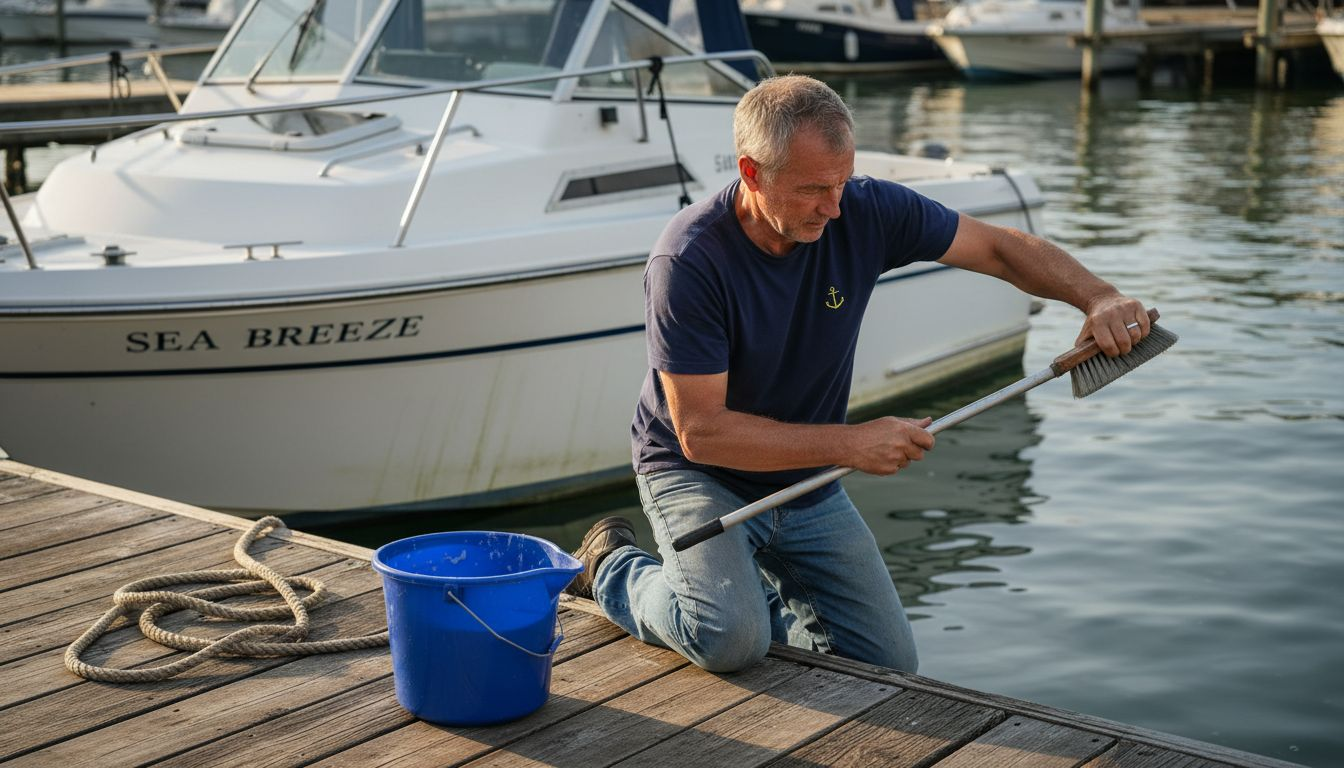
Most American boat owners in St. Augustine face the tough decision between standard cleaning and deep cleaning for their prized watercraft. Choosing the wrong service can lead to hidden damage or unnecessary costs, especially in Florida’s salty, high-humidity environment. With over 60 percent of local vessels exposed to constant marine buildup, understanding the true differences between maintenance methods helps protect your investment and maintain lasting curb appeal.
Table of Contents
Key Takeaways
Point | Details |
Standard and Deep Cleaning Differ | Standard cleaning involves basic upkeep, while deep cleaning targets intensive restoration and thorough maintenance. |
Evaluate Cleaning Needs Regularly | Consider vessel age, usage frequency, and environmental exposure to determine the appropriate cleaning method. |
Choose Environmentally Safe Products | Prioritize cleaning services that utilize non-toxic, marine-safe products to minimize environmental impact. |
Engage Professionals for Comprehensive Care | Schedule professional assessments to identify when to conduct deep cleaning, especially for boats with significant wear or buildup. |
Defining Standard and Deep Boat Cleaning
Boat cleaning involves two primary approaches: standard and deep cleaning, each serving distinct maintenance purposes for watercraft owners in St. Augustine and surrounding coastal regions. Standard boat cleaning focuses on routine maintenance, typically involving basic exterior washing and surface-level dirt removal. Routine maintenance tasks include rinsing with fresh water, removing visible dirt, and addressing simple surface stains using gentle, environmentally friendly cleaning products.
By contrast, deep boat cleaning represents a comprehensive approach that goes beyond surface treatments. Intensive cleaning techniques involve meticulous attention to hard-to-reach areas, embedded stains, and specialized restoration processes. This method includes thorough hull cleaning, metal polishing, biofouling removal, and potentially employing professional-grade equipment to restore boats to near-original condition.
The primary differences between standard and deep cleaning lie in scope, intensity, and technical complexity. Standard cleaning acts as preventative maintenance, while deep cleaning addresses accumulated wear, potential damage, and aesthetic restoration. Boat owners should consider factors like vessel age, usage frequency, environmental exposure, and specific maintenance needs when selecting an appropriate cleaning approach.
Pro tip: Schedule a professional boat cleaning assessment at least twice annually to evaluate whether your watercraft requires standard maintenance or a more comprehensive deep cleaning intervention.
Here’s a comparison of standard and deep boat cleaning approaches to help you choose the right level of maintenance:
Aspect | Standard Cleaning | Deep Cleaning |
Purpose | Prevent routine buildup | Restore original condition |
Frequency | Every few weeks | 1-2 times per year |
Tools Needed | Basic cleaning supplies | Professional equipment |
Environmental Impact | Minimal with eco products | Requires pollutant management |
Typical Cost | Low, DIY-friendly | Higher, professional rates |
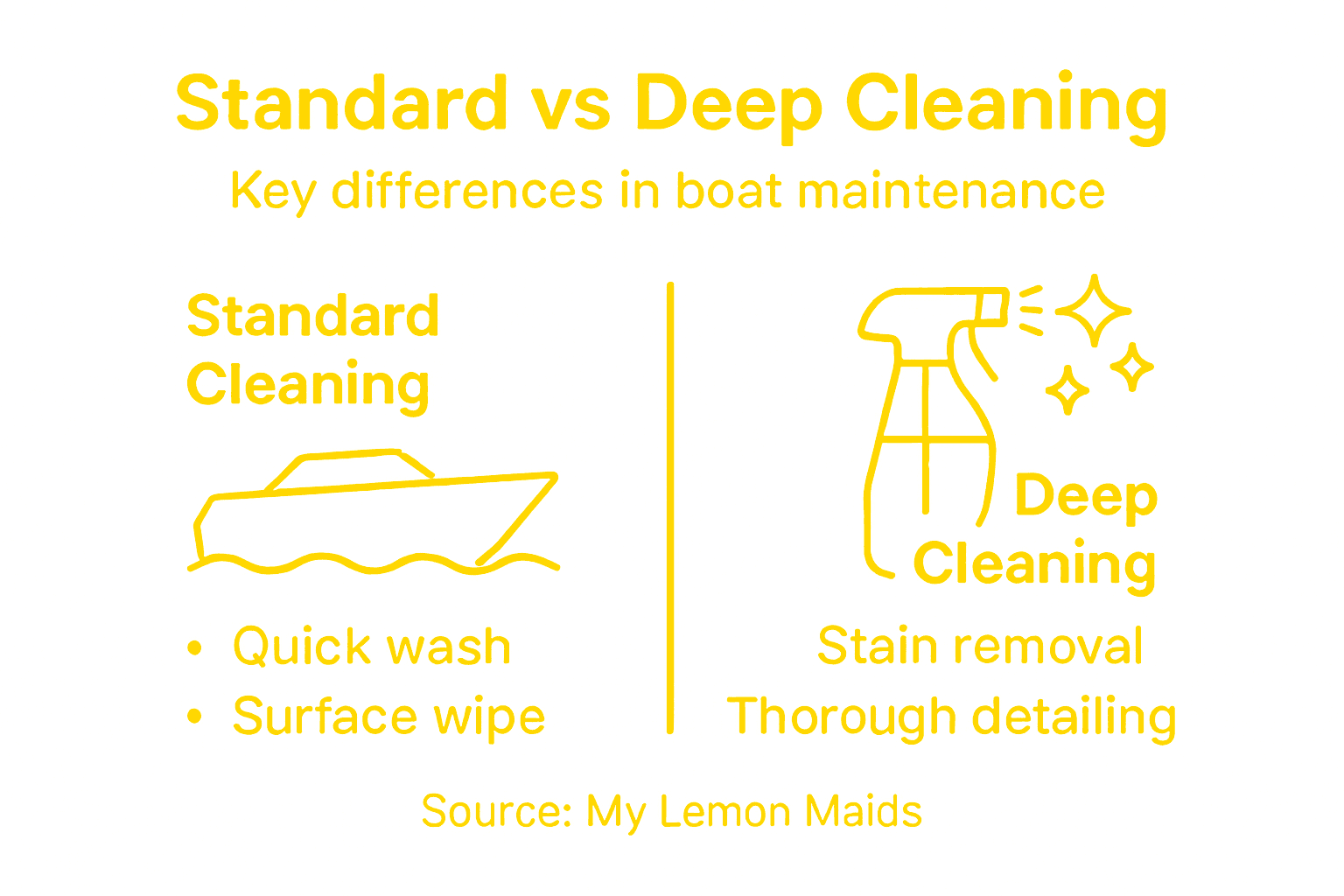
Tasks Included in Standard Boat Cleaning
Standard boat cleaning encompasses a comprehensive set of routine maintenance tasks designed to preserve your watercraft’s appearance and functionality. Routine surface cleaning involves multiple essential steps that protect your boat from environmental damage and maintain its aesthetic appeal. Boat owners typically begin with a thorough freshwater rinse to remove salt residue, preventing potential corrosion and buildup of marine contaminants.
The cleaning process includes several key exterior maintenance activities. Washing the deck, hull above the waterline, and external hardware requires specialized boat soaps and all-purpose marine cleaners. These products are carefully selected to be environmentally safe while effectively removing dirt, grime, and potential staining materials. Specialized boat cleaning techniques also address specific challenges like mildew treatment, black streak removal, and spot cleaning of delicate surfaces such as windows and stainless steel components.
Beyond exterior maintenance, standard boat cleaning extends to interior care. This involves vacuuming upholstery, spot cleaning fabric surfaces, and ensuring the bilge area remains clean and free from potential water contamination. Boat owners should pay special attention to areas prone to moisture accumulation, as these can become breeding grounds for mold and mildew if not properly maintained. The goal is not just aesthetic preservation but also preventing long-term damage that could compromise the vessel’s structural integrity and performance.
Pro tip: Invest in marine-specific cleaning products and microfiber towels to ensure thorough cleaning without scratching delicate boat surfaces.
Deep Boat Cleaning: What’s Involved
Deep boat cleaning represents a comprehensive approach to vessel maintenance that goes far beyond routine surface cleaning. Professional marine cleaning techniques involve intricate processes designed to restore and protect watercraft from extensive environmental damage. This intensive method targets areas typically overlooked during standard cleaning, addressing accumulated marine growth, oxidation, and structural wear that can compromise a boat’s performance and aesthetic appeal.
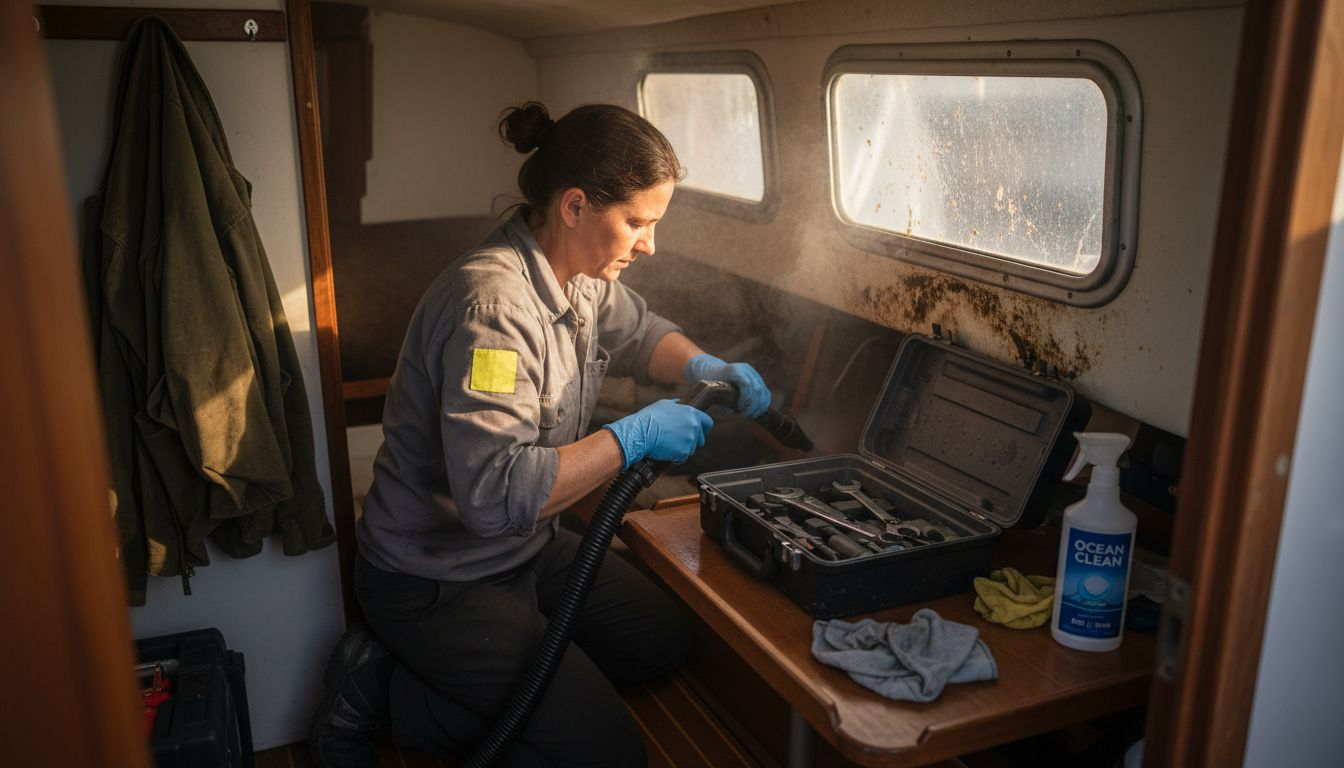
The process encompasses multiple specialized tasks that require professional-grade equipment and expertise. In-depth hull maintenance includes power washing to remove stubborn stains, bottom paint residues, and marine organisms like algae and barnacles. Technicians meticulously clean submerged areas, propellers, and niche components using techniques that capture and prevent environmental contamination. This approach involves detailed restoration of fiberglass and gelcoat surfaces, comprehensive metal polishing to eliminate oxidation, and thorough bilge area cleaning.
Environmental considerations play a crucial role in deep boat cleaning. Professionals must adhere to strict safety standards and regulations to minimize marine ecosystem disruption. The cleaning process involves specialized equipment that captures debris and prevents pollutants from entering waterways. Boat owners in coastal regions like St. Augustine should recognize that deep cleaning is not just about aesthetics but also about preserving their vessel’s structural integrity, preventing long-term damage, and maintaining optimal marine performance.
Pro tip: Schedule deep boat cleaning during off-season months to ensure thorough maintenance and prevent potential marine growth buildup.
Choosing the Right Service for Your Boat
Selecting the appropriate boat cleaning service requires careful evaluation of your vessel’s specific maintenance needs and environmental considerations. Boat cleaning strategies depend on multiple factors including boat usage, age, condition, and the type of marine environment in which it operates. Boat owners in coastal regions like St. Augustine must consider the unique challenges posed by saltwater, marine growth, and frequent exposure to harsh environmental conditions.
The decision between standard and deep cleaning hinges on several critical assessment points. Routine maintenance works well for boats with minimal wear and regular upkeep, while deep cleaning becomes essential for vessels showing significant buildup, extensive staining, or those used more intensively. Environmentally responsible cleaning practices are crucial, with boat owners recommended to prioritize services that use non-toxic, marine-safe products and follow proper wastewater management protocols. Professional services become particularly valuable when dealing with complex cleaning requirements that exceed typical DIY capabilities.
Critical evaluation criteria should include the service provider’s expertise, cleaning methods, product selections, and commitment to environmental sustainability. Consider factors such as the frequency of boat use, storage conditions, exposure to marine environments, and the specific materials comprising your boat’s construction. Boat owners should request detailed information about cleaning techniques, the products used, and the company’s approach to minimizing environmental impact. Some situations may require a combination of standard and deep cleaning approaches to maintain optimal vessel condition.
Pro tip: Request a comprehensive boat cleaning assessment from professionals to determine the most appropriate maintenance strategy for your specific watercraft.
Costs, Risks and Common Mistakes
Boat cleaning presents numerous financial and environmental considerations that boat owners must carefully navigate. Cleaning cost variations range significantly based on boat size, cleaning complexity, and service type. Standard cleaning typically represents a lower-cost option, often manageable through DIY approaches, while professional deep cleaning services can range from $200 to $1,500 depending on vessel size and condition. Boat owners in coastal regions like St. Augustine should anticipate higher maintenance expenses due to aggressive marine environments.
Risks associated with improper boat cleaning extend beyond financial implications. Improper cleaning practices can cause substantial damage to boat surfaces, marine ecosystems, and potentially void manufacturer warranties. Common mistakes include using harsh chemical cleaners that strip protective coatings, applying high-pressure washing techniques incorrectly, and failing to properly manage cleaning wastewater. These errors can lead to surface degradation, environmental contamination, and expensive repair costs that far exceed initial cleaning expenses.
To mitigate potential risks, boat owners should develop a strategic approach to maintenance. This involves selecting environmentally responsible cleaning products, understanding proper application techniques, and recognizing when professional intervention becomes necessary. Critical considerations include evaluating the specific materials of your boat, understanding manufacturer recommendations, and staying informed about local environmental regulations. Investing time in research and potentially paying for professional assessment can ultimately save significant money by preventing long-term damage and maintaining your vessel’s structural integrity.
Use this quick guide to avoid costly boat cleaning mistakes and make informed choices:
Risk Area | Common Mistake | Better Practice |
Chemical Selection | Using harsh cleaners | Choose marine-safe products |
Pressure Washing | Excessive water force | Use proper psi for surfaces |
Wastewater Disposal | Discharging untreated water | Follow local regulations |
Surface Protection | Skipping coatings | Apply protective sealants regularly |
Pro tip: Maintain a detailed maintenance log documenting cleaning methods, products used, and any observed changes to track your boat’s condition and optimize future cleaning strategies.
Find the Perfect Cleaning Solution for Your Boat and Beyond
Choosing between standard and deep boat cleaning can feel overwhelming when you want to protect your vessel from damage while keeping it looking great. Whether you struggle with stubborn marine growth or just need reliable routine maintenance, understanding these options is key to preserving your boat’s beauty and performance. Common challenges include managing environmental buildup safely and maintaining structural integrity without causing harm.
At My Lemon Maids, we understand that your boat requires precision and care similar to what you expect for your home or business. Our professional cleaning services go beyond standard offerings to deliver thorough, eco-friendly results. With expertise in deep cleaning and pressure washing, we help tackle tough grime and extend the life of your investment while respecting the natural surroundings.
Ready to ensure your boat and property receive the care they deserve? Experience expert cleaning that combines deep and standard methods for lasting protection.

Explore our full range of services at My Lemon Maids and discover how our deep cleaning solutions can elevate your vessel or space. Don’t wait until buildup causes costly damage—schedule your personalized cleaning assessment today!
Frequently Asked Questions
What is the difference between standard and deep boat cleaning?
Standard boat cleaning focuses on routine maintenance, involving basic exterior washing and dirt removal, while deep boat cleaning offers a comprehensive approach targeting hard-to-reach areas, embedded stains, and extensive restoration processes.
How often should I perform standard boat cleaning?
Standard cleaning should be conducted every few weeks to prevent routine buildup of dirt and grime on your boat’s surfaces.
When is deep boat cleaning necessary?
Deep boat cleaning is essential for boats showing significant wear, extensive staining, or for those used frequently. It’s typically recommended once or twice a year.
What are the environmental considerations for boat cleaning?
Environmental considerations include using non-toxic, marine-safe cleaning products and managing wastewater properly to minimize disruption to marine ecosystems.
Recommended
Comments