Office Cleaning Best Practices for St. Augustine
- jeffwashausen
- Feb 6
- 7 min read

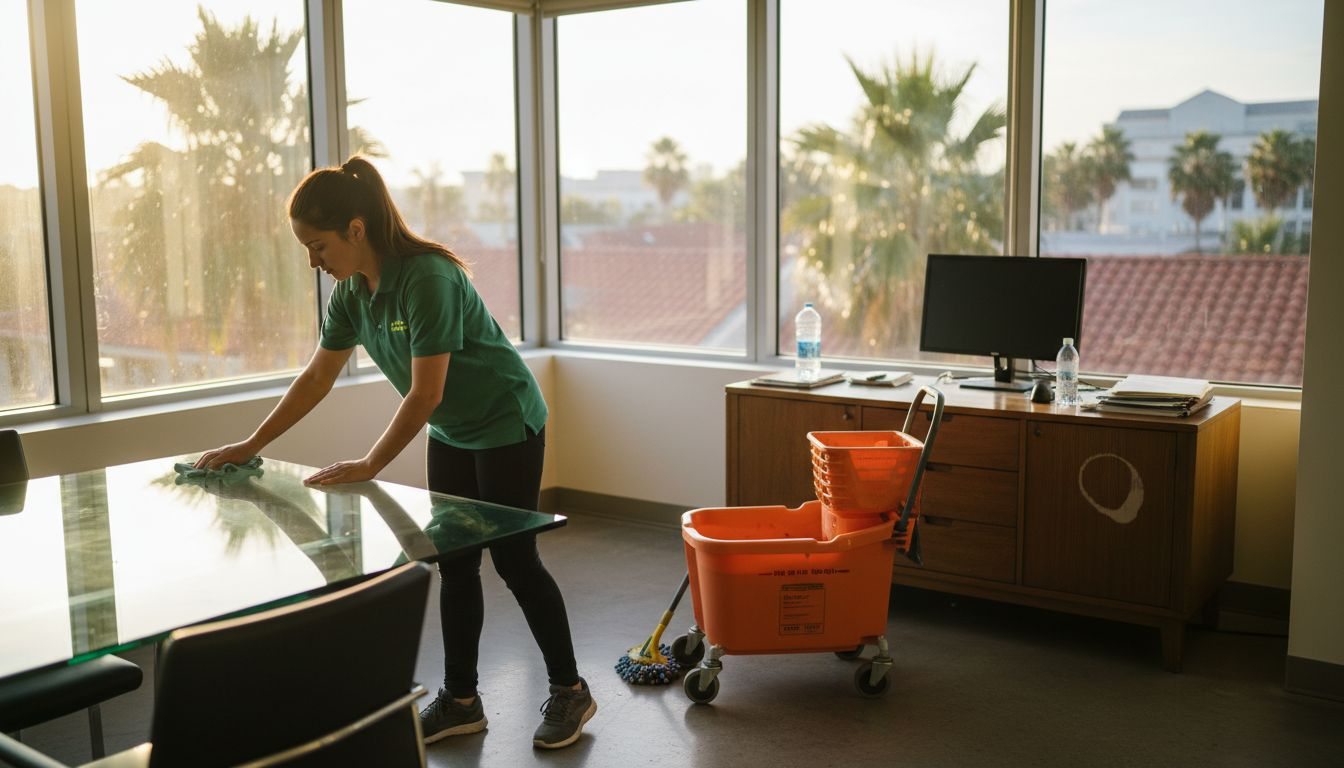
Keeping a commercial office in St. Augustine spotless takes more than a quick wipe down. For office managers, the true challenge lies in balancing efficient workflows with proven cleaning methods that protect employee health. Adopting office cleaning best practices means designing precise protocols suited for high-traffic spaces, focusing on carefully selected products, and following science-backed procedures that support both safety and productivity.
Table of Contents
Key Takeaways
Point | Details |
Comprehensive Cleaning Practices | Effective office cleaning combines cleaning, sanitizing, and disinfecting to maintain employee health and prevent disease transmission. |
Modern Technologies | Advances in cleaning technology enhance effectiveness and efficiency, utilizing methods like electrostatic spraying and HEPA filtration systems. |
Focus on High-Touch Areas | High-traffic surfaces require specialized cleaning strategies to mitigate contamination risks, emphasizing routine cleaning and disinfection. |
Sustainability in Cleaning | Implementing green cleaning solutions not only benefits the environment but also improves workplace health, focusing on biodegradable products and waste reduction. |
Defining Office Cleaning Best Practices
Office cleaning goes far beyond simple tidying - it represents a strategic approach to maintaining workplace health, productivity, and professional appearance. Office cleaning best practices are systematic protocols designed to create consistently sanitized, organized work environments that support employee wellness and operational efficiency.
At its core, office cleaning involves three critical processes:
Cleaning: Physically removing dirt, dust, and debris using soap, water, and mechanical friction
Sanitizing: Reducing microbial populations to safer levels on surfaces
Disinfecting: Eliminating infectious germs and microorganisms using EPA-registered chemical agents
Effective cleaning requires understanding specific workplace sanitization techniques. According to University of Washington research, proper cleaning involves not just removing visible dirt, but strategically targeting areas that harbor potential health risks. This means focusing on high-touch surfaces like doorknobs, keyboards, shared equipment, and communal spaces.
The Environmental Protection Agency (EPA) and Centers for Disease Control (CDC) recommend developing comprehensive cleaning protocols that prioritize both effectiveness and safety. These protocols should include:
Selecting low-toxicity cleaning products
Using appropriate protective equipment
Following correct dilution and application methods
Maintaining proper ventilation during cleaning processes
Frequency and consistency are key elements in maintaining a clean office environment. Regular cleaning schedules prevent dirt accumulation and reduce potential disease transmission risks.
Pro tip: Create a standardized cleaning checklist that assigns specific responsibilities and tracks completion to ensure no area gets overlooked.
Modern Cleaning Methods and Technologies
The landscape of office cleaning has dramatically transformed with emerging technologies and advanced scientific approaches that go beyond traditional cleaning methods. Modern cleaning technologies now integrate sophisticated techniques designed to create healthier, more efficient workplace environments in St. Augustine and beyond.
Today’s cleaning strategies leverage cutting-edge innovations, including:
Electrostatic spraying for comprehensive surface disinfection
UV-C light sanitization for eliminating microorganisms
Microfiber cleaning systems for enhanced particle removal
HEPA filtration technologies for improved air quality
Robotic cleaning equipment for consistent, precise cleaning
Advanced cleaning protocols now emphasize not just surface cleaning, but comprehensive environmental management. These protocols focus on reducing pathogen transmission through strategic cleaning methods that address multiple contamination vectors simultaneously.
The integration of science and technology has revolutionized cleaning approaches. Modern cleaning professionals now utilize specialized equipment and evidence-based techniques that provide measurably superior results compared to traditional methods. This includes precision tools that can detect microscopic contamination, digital tracking systems for cleaning consistency, and advanced chemical formulations designed to neutralize pathogens more effectively.
Effective modern cleaning requires a multifaceted approach that combines technological innovation with rigorous scientific understanding. Office managers must now consider not just visual cleanliness, but comprehensive microbial reduction, air quality improvement, and sustainable cleaning practices.
Here’s a quick reference for modern office cleaning technologies and their business benefits:
Technology | Main Function | Benefit to Business |
Electrostatic spraying | Even disinfection distribution | Faster, more complete sanitization |
UV-C light systems | Destroys germs with UV light | Reduces risk of illness outbreaks |
Microfiber tools | Removes fine dust and microbes | Improves air and surface quality |
HEPA filtration | Traps airborne contaminants | Promotes healthier work environment |
Robotic cleaning devices | Automates repetitive tasks | Consistent, reduced labor costs |
Pro tip: Invest in ongoing training for cleaning staff to ensure they can effectively utilize advanced cleaning technologies and understand the latest scientific cleaning protocols.
High-Traffic and High-Touch Area Strategies
In the complex world of office cleaning, high-traffic and high-touch areas represent critical battlegrounds for maintaining workplace health and preventing disease transmission. These zones demand specialized cleaning approaches that go beyond standard maintenance protocols, requiring targeted strategies and heightened attention.
Centers for Disease Control guidelines identify the most critical high-touch surfaces in office environments:
Doorknobs and handles
Elevator buttons
Shared computer keyboards and mice
Telephone handsets
Conference room tables
Bathroom fixtures
Breakroom appliances
Light switches
Strategic cleaning procedures emphasize routine cleaning followed by comprehensive disinfection of these surfaces. The goal is not just aesthetic cleanliness, but systematic pathogen reduction and cross-contamination prevention.
Effective high-touch area management requires a multilayered approach. This includes using EPA-registered disinfectants, implementing frequent cleaning schedules, and training staff on proper sanitization techniques. Modern offices are increasingly adopting color-coded cleaning systems and microfiber technologies to enhance contamination control and ensure consistent, thorough cleaning across all critical surfaces.
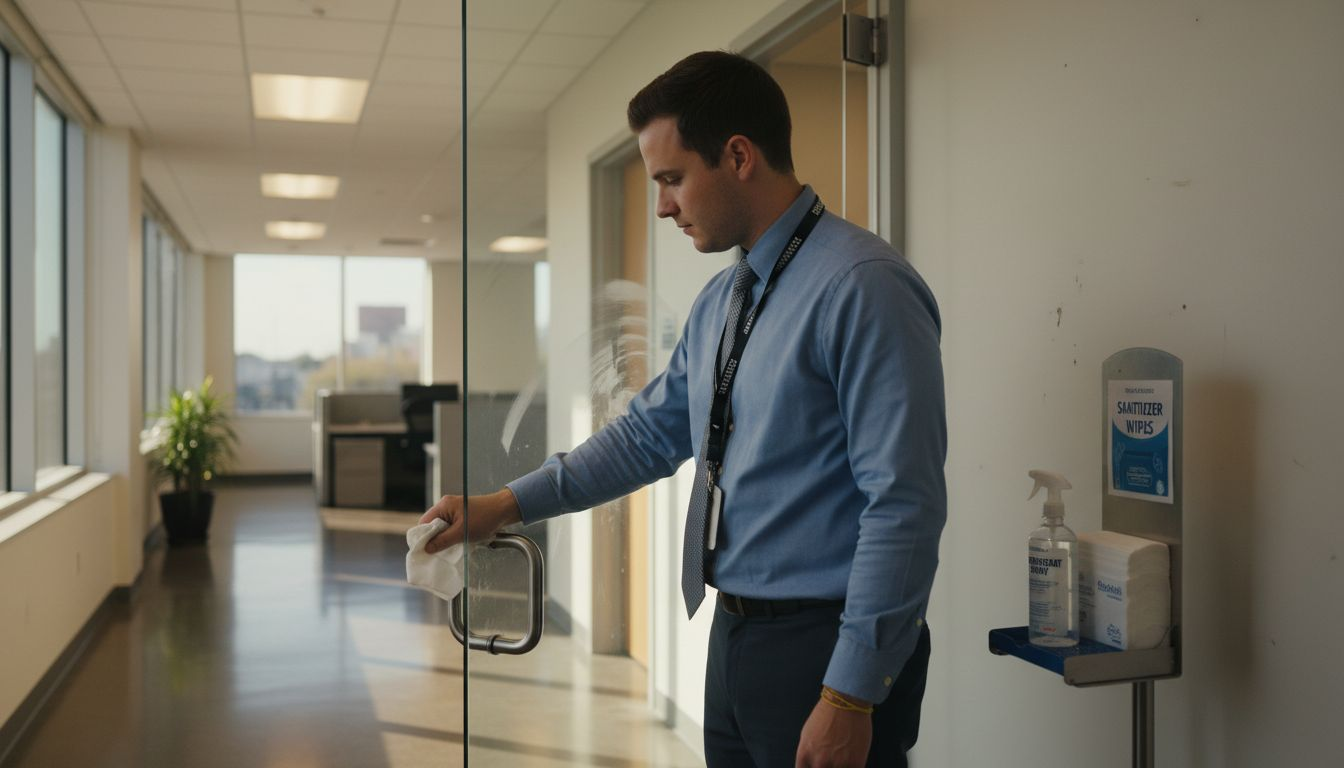
Technology now plays a crucial role in monitoring and managing high-traffic zone cleanliness. Digital tracking systems, ATP testing, and real-time contamination monitoring help cleaning teams identify and address potential health risks more precisely than ever before.
Pro tip: Develop a rotating cleaning schedule that assigns specific high-touch areas to different team members, ensuring no critical surface is overlooked during daily sanitization efforts.
Sustainability and Green Cleaning Solutions
In the rapidly evolving landscape of office maintenance, green cleaning solutions represent a critical intersection between environmental responsibility and workplace health. Sustainable cleaning practices go far beyond simple eco-friendly product selection, encompassing a comprehensive approach to reducing environmental impact while maintaining exceptional cleaning standards.
Key components of sustainable office cleaning include:
Biodegradable cleaning products
Microfiber cleaning systems
Concentrated chemical dilution
Energy-efficient cleaning equipment
Waste reduction strategies
Recyclable and minimal packaging
Low-water consumption techniques
Safer cleaning product strategies focus on selecting products certified by recognized environmental labels like Safer Choice, Green Seal, and EcoLogo. These certifications ensure reduced chemical hazards and minimize potential health risks for office workers while supporting broader environmental conservation goals.
Modern sustainable cleaning approaches integrate multiple strategies to reduce environmental footprint. This includes implementing digital inventory management to minimize waste, using concentrated cleaning solutions that reduce plastic packaging, selecting energy-efficient cleaning equipment, and developing comprehensive recycling and waste management protocols that extend beyond traditional cleaning practices.
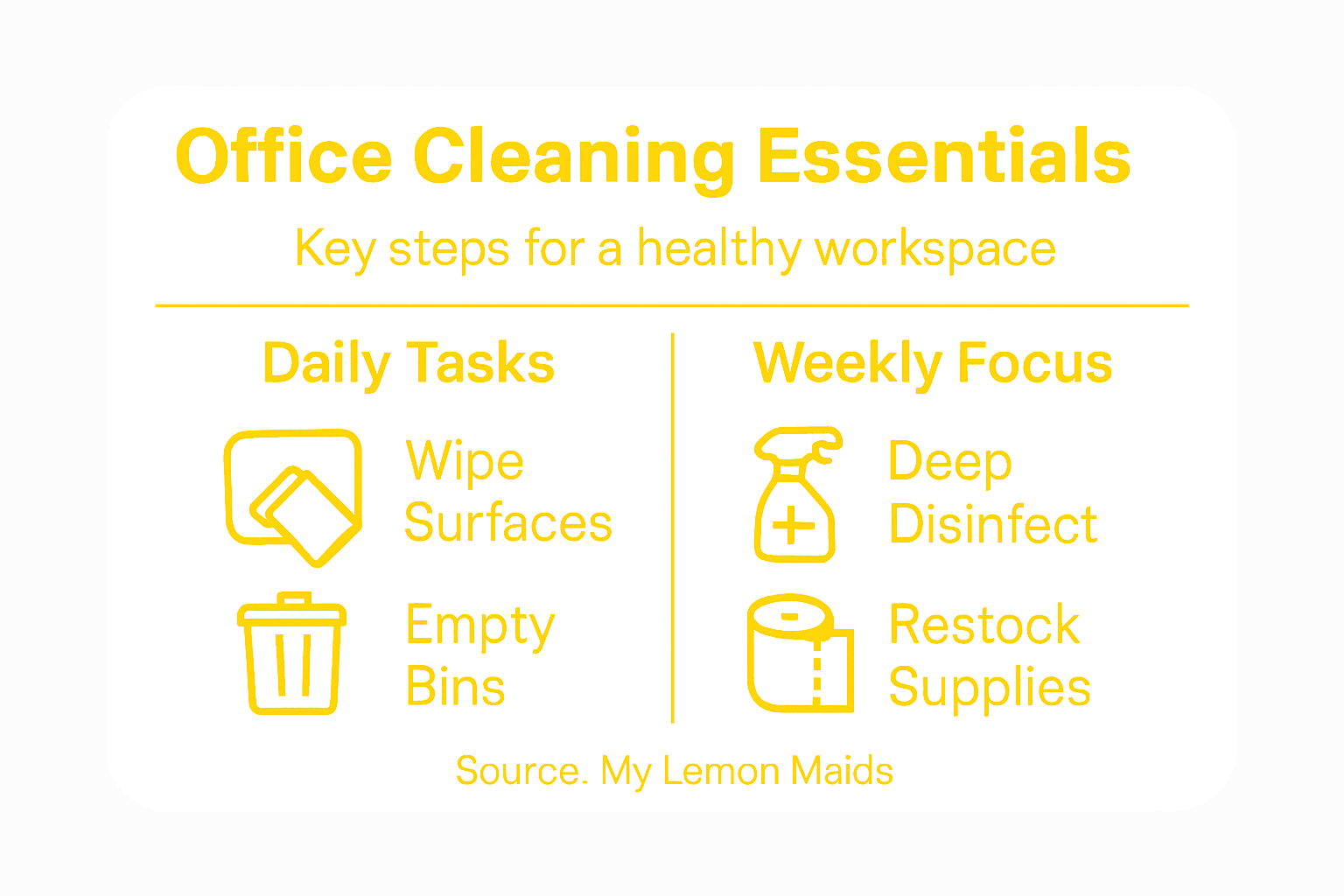
Technology now enables more precise tracking and management of sustainability metrics. Advanced cleaning teams utilize digital tools to monitor chemical usage, track waste reduction, measure water consumption, and demonstrate tangible environmental improvements across office cleaning operations.
Pro tip: Conduct a quarterly sustainability audit of your cleaning practices to identify opportunities for reducing environmental impact and optimize your green cleaning strategy.
Roles, Risks, and Compliance for Managers
Office cleaning management extends far beyond surface-level oversight, requiring a comprehensive understanding of legal, safety, and operational responsibilities. Managers play a critical role in establishing robust cleaning protocols that protect both employee health and organizational liability.
Key managerial responsibilities include:
Conducting hazard assessments
Developing safety training programs
Ensuring regulatory compliance
Selecting appropriate cleaning products
Implementing risk management strategies
Maintaining detailed documentation
Monitoring cleaning team performance
Comprehensive hazard assessment protocols require managers to systematically evaluate potential risks associated with cleaning chemicals, equipment, and operational procedures. This involves understanding chemical interactions, proper storage methods, and potential health impacts of cleaning substances used in the workplace.
Compliance involves multiple layers of regulatory oversight, including adherence to Occupational Safety and Health Administration (OSHA) guidelines, Environmental Protection Agency (EPA) standards, and industry-specific cleaning regulations. Managers must stay current with evolving safety requirements, ensuring that cleaning practices not only meet minimum legal standards but also proactively protect workplace health and safety.
Risk management in office cleaning requires a proactive approach that integrates training, documentation, and continuous improvement. This means developing clear communication protocols, providing comprehensive personal protective equipment (PPE), establishing emergency response procedures, and creating a culture of safety that empowers cleaning staff to identify and report potential hazards.
The table below summarizes common compliance risks for office cleaning managers and practical mitigation strategies:
Compliance Risk | Consequence | Mitigation Strategy |
Chemical misuse | Staff health incidents | Mandatory safety training; clear labels |
Incomplete documentation | Fines during audits | Regular record reviews; digital logs |
PPE non-compliance | Worker injury or illness | Issue, train, and monitor PPE use |
Outdated procedures | Violation of regulations | Quarterly policy and checklist updates |
Pro tip: Create a comprehensive compliance checklist that is reviewed and updated quarterly to ensure your cleaning practices remain current with the latest safety regulations and best practices.
Elevate Your Office Cleanliness with Expert Solutions
Maintaining office cleaning best practices as detailed in the article requires expertise in targeted sanitization, advanced technologies, and sustainable methods. Whether you struggle with keeping high-touch zones disinfected or want to embrace modern cleaning innovations for a healthier workspace, finding a trusted cleaning service is essential. Challenges like effective pathogen reduction, consistent schedules, and regulatory compliance can feel overwhelming but do not have to be when you partner with reliable professionals.
Discover how our office cleaning services in St. Augustine address these pain points with thorough cleaning protocols and eco-friendly solutions. Explore our complete commercial cleaning offerings that combine expert knowledge and state-of-the-art tools to safeguard your workplace and boost employee wellness.
Take control of your office’s cleanliness today by connecting with My Lemon Maids. Act now to ensure your workspace meets the highest standards of hygiene and safety through our tailored cleaning plans. Visit My Lemon Maids to get started and experience office cleaning that truly makes a difference.
Frequently Asked Questions
What are the key office cleaning best practices?
Key best practices for office cleaning include proper cleaning techniques that focus on cleaning, sanitizing, and disinfecting surfaces. It’s essential to create comprehensive cleaning protocols, select low-toxicity products, and establish a regular cleaning schedule to maintain hygiene and safety.
How often should high-touch surfaces be cleaned?
High-touch surfaces should be cleaned and disinfected regularly, ideally multiple times a day, to minimize the risk of disease transmission. This includes areas like doorknobs, elevator buttons, and shared equipment.
What modern cleaning technologies can improve office hygiene?
Modern cleaning technologies such as electrostatic spraying, UV-C light disinfection, and HEPA filtration systems significantly enhance office hygiene by improving surface disinfection and air quality, leading to a healthier work environment.
What measures can managers take to ensure compliance in office cleaning?
Managers can ensure compliance by conducting hazard assessments, developing safety training programs, adhering to OSHA and EPA regulations, and maintaining detailed documentation of cleaning practices. Regularly reviewing and updating compliance checklists is also crucial.
Recommended
Comments