Why Maintain Office Hygiene for Productive Workplaces
- jeffwashausen
- Feb 9
- 6 min read


Busy offices in St. Augustine and Ponte Vedra face constant challenges in keeping workplace environments healthy for employees. Maintaining workplace hygiene is not just about visible cleanliness, it involves regular handwashing, surface sanitation, and minimizing equipment sharing to help prevent disease transmission. These practices protect employee health and create spaces where teams feel safe and productive. Discover how an organized hygiene strategy supports a resilient, high-performing work culture that benefits everyone in your organization.
Table of Contents
Key Takeaways
Point | Details |
Importance of Office Hygiene | Office hygiene is essential for minimizing disease transmission and ensuring employee well-being and productivity. |
Impact on Productivity | Effective hygiene practices reduce sick days and enhance overall workplace performance, creating a safer environment for employees. |
Legal Compliance | Organizations must adhere to workplace sanitation regulations to protect employee health and avoid penalties. |
Risks of Poor Hygiene | Inadequate hygiene management can lead to increased illness, decreased morale, and potential legal issues for organizations. |
Understanding Office Hygiene and Its Role
Office hygiene represents more than just cleanliness - it’s a comprehensive approach to maintaining a healthy and productive workplace environment. Workplace hygiene practices encompass a range of behaviors and strategies designed to minimize disease transmission and protect employee health.
At its core, office hygiene involves systematic approaches to preventing the spread of infectious agents. This includes critical practices such as:
Regular handwashing
Sanitizing common touchpoints
Maintaining clean workstations
Practicing proper respiratory etiquette
Minimizing equipment sharing
The impact of robust hygiene protocols extends far beyond simple cleanliness. Workplace health directly influences employee productivity, reducing sick days and creating an environment where workers feel safe and valued. Comprehensive hygiene strategies help organizations create resilient workplace cultures that prioritize both individual and collective well-being.
Modern offices require proactive hygiene management that goes beyond traditional cleaning methods. This means implementing structured protocols that address personal behaviors, environmental sanitization, and systemic health protection. Effective office hygiene is a collaborative effort involving management, cleaning staff, and individual employees working together to maintain a healthy workspace.
Pro Tip: Develop a clear, visual hygiene protocol handbook that outlines specific cleaning expectations and personal responsibility guidelines for every employee.
Types of Office Cleaning and Methods
Office cleaning involves a sophisticated spectrum of approaches designed to maintain workplace health and hygiene. Cleaning methods range from basic dirt removal to advanced disinfection techniques, each targeting specific contamination risks and environmental needs.
The primary approaches to office cleaning include:
Cleaning: Physically removing dirt, dust, and visible contaminants using soap, water, and cleaning tools
Sanitizing: Reducing germ populations to safe levels using specialized chemical agents
Disinfecting: Eliminating nearly all infectious microorganisms through stronger chemical treatments
Deep cleaning: Comprehensive cleaning targeting hard-to-reach areas and hidden contamination sources
Understanding these different methods allows organizations to develop targeted cleaning strategies that address specific workplace health challenges. Cleaning protocols must be tailored to different surface types, usage patterns, and potential contamination risks, ensuring a holistic approach to workplace hygiene.
Modern office cleaning methods increasingly emphasize environmentally friendly and health-conscious approaches. This means selecting cleaning agents that effectively eliminate germs while minimizing potential respiratory irritants and chemical exposure. Professionals now prioritize techniques that balance thorough sanitization with employee health and environmental sustainability.
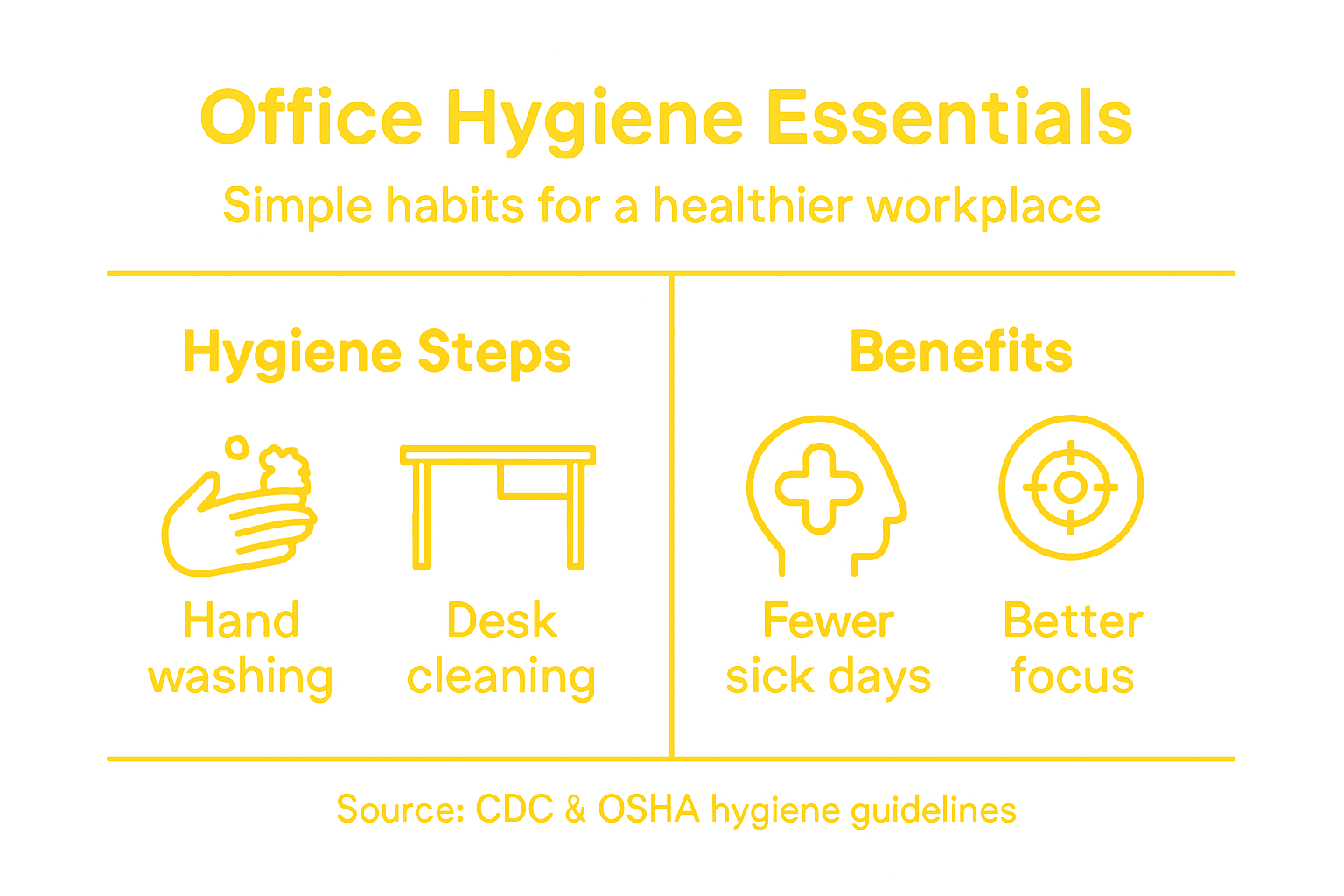
Here’s a quick comparison of office cleaning methods and their optimal application scenarios:
Cleaning Method | Best Use Case | Effect on Workplace |
Cleaning | Daily surface upkeep | Reduces dirt, maintains tidiness |
Sanitizing | Shared equipment/items | Lowers germ spread on touchpoints |
Disinfecting | High-risk or outbreak zones | Nearly eliminates pathogens |
Deep Cleaning | Monthly or quarterly, hard-to-reach areas | Removes hidden contaminants, boosts long-term health |
Pro Tip: Develop a color-coded cleaning system that helps staff quickly identify appropriate cleaning methods for different office surfaces and areas.
Impact of Hygiene on Health and Productivity
Workplace hygiene directly correlates with organizational performance, influencing employee health, engagement, and overall productivity. Workplace health programs demonstrate significant economic benefits by reducing illness-related disruptions and maintaining workforce efficiency.
The tangible impacts of robust hygiene practices include:
Reduced employee absenteeism
Lower healthcare costs for organizations
Increased worker engagement and morale
Minimized disease transmission risks
Enhanced overall workplace performance
Hand hygiene research reveals compelling evidence about preventing workplace illness. Consistent handwashing can dramatically reduce respiratory and diarrheal disease transmission, creating a healthier work environment that supports continuous productivity and employee well-being.
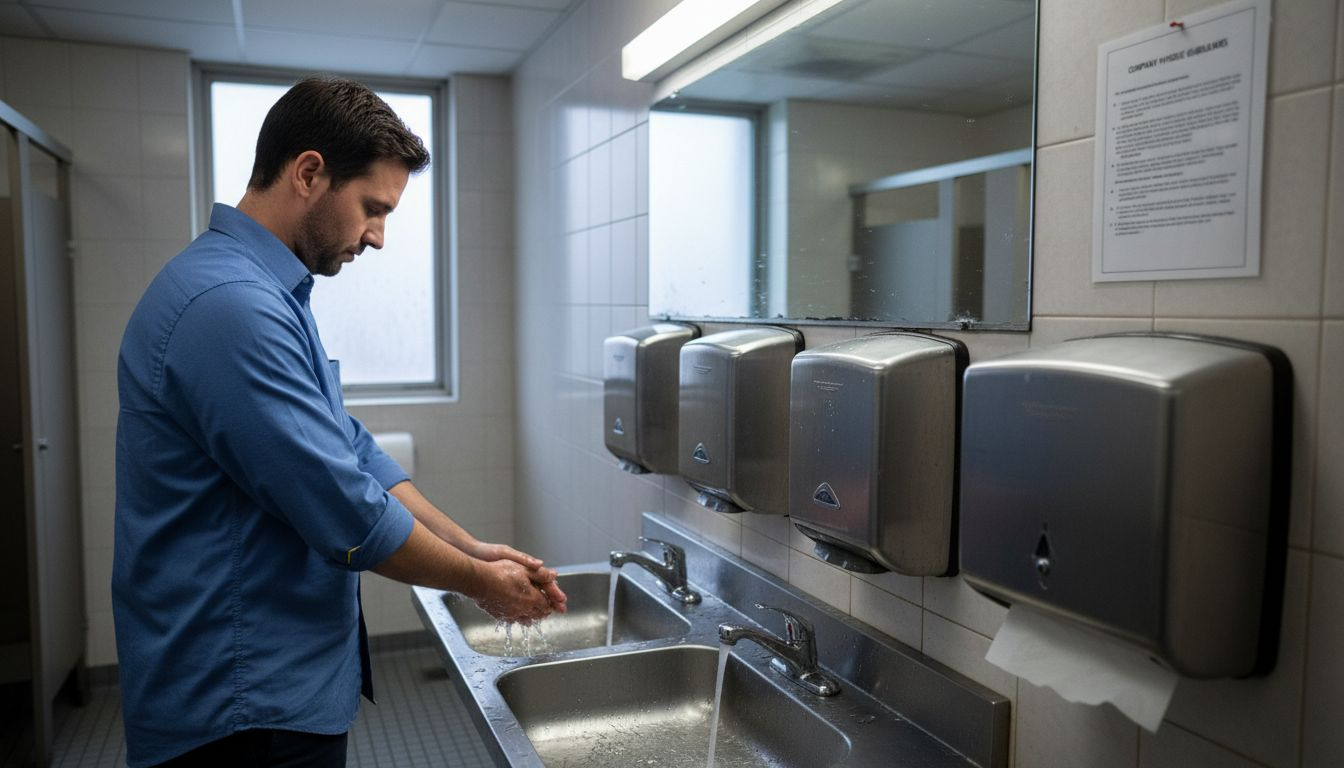
Economic analyses consistently show that investing in comprehensive hygiene protocols delivers substantial returns. Preventative health strategies not only protect employees but also generate measurable financial benefits through reduced sick leave, increased worker performance, and lower healthcare expenditures. Organizations that prioritize workplace hygiene create resilient, high-performing work cultures.
Here’s how key hygiene practices impact employee health and company productivity:
Practice | Health Benefit | Productivity Impact |
Frequent handwashing | Lowers illness rates | Fewer sick days |
Surface sanitization | Reduces virus exposure | Sustained worker focus |
Proper restroom care | Prevents infection spread | Improves morale |
Hygiene education | Promotes responsible behavior | Boosts engagement |
Pro Tip: Implement a monthly workplace hygiene awareness program that educates employees about effective disease prevention techniques and their direct impact on organizational productivity.
Legal Standards and OSHA Compliance
Workplace sanitation regulations form a critical framework for maintaining healthy work environments. Workplace safety standards mandate specific requirements that employers must follow to protect employee health and prevent potential hazards.
Key legal compliance elements include:
Providing clean restroom facilities
Ensuring access to potable water
Maintaining proper soap and hand drying stations
Implementing regular sanitation protocols
Creating hazard-free workplace conditions
Occupational Safety regulations established by the 1970 Occupational Safety and Health Act create a comprehensive legal framework for workplace hygiene. Employer responsibilities extend beyond basic cleaning, requiring proactive measures to identify and mitigate potential health risks in office environments.
Non-compliance can result in significant penalties, including substantial fines and potential legal actions. Organizations must develop systematic approaches to documentation, regular inspections, and continuous improvement of workplace hygiene standards. This involves creating clear protocols, training employees, and maintaining detailed records of sanitation efforts.
Pro Tip: Conduct quarterly internal audits of workplace hygiene practices to ensure ongoing compliance and identify potential improvement areas before official inspections.
Risks of Poor Hygiene and Common Mistakes
Workplace hygiene failures can create significant health and productivity challenges for organizations. Workplace sanitation risks extend far beyond simple cleanliness, potentially compromising employee health and organizational performance.
Common hygiene mistakes include:
Infrequent cleaning of high-touch surfaces
Inadequate restroom maintenance
Restricting employee restroom access
Insufficient hand washing facilities
Neglecting personal protective equipment protocols
Personal hygiene practices play a critical role in preventing workplace health risks. Contamination vectors like improper equipment handling, consuming food in restricted areas, and failing to remove potentially hazardous protective gear can dramatically increase illness transmission rates.
The consequences of poor hygiene extend beyond immediate health concerns. Organizations face potential productivity losses, increased healthcare costs, reduced employee morale, and potential legal liabilities when workplace hygiene standards are not consistently maintained. Proactive management requires comprehensive strategies that address both environmental conditions and individual employee behaviors.
Pro Tip: Develop a comprehensive hygiene training program that educates employees about proper sanitation techniques and creates a culture of collective health responsibility.
Elevate Your Office Hygiene for a Healthier, More Productive Workplace
Maintaining excellent office hygiene is essential to reduce illness, boost employee morale, and sustain productivity. The challenges highlighted in the article, such as preventing germ spread through regular sanitization and deep cleaning, show how crucial it is to adopt professional cleaning solutions that understand these specific needs. Addressing pain points like high-touch surface contamination and ineffective restroom maintenance requires expert care and tailored protocols.
If you want to transform your office environment with proven cleaning methods that protect health and comply with safety standards explore our office cleaning services.

Experience the difference that comprehensive, reliable cleaning can make. Act now and give your workplace the expert cleaning it deserves by visiting My Lemon Maids. Let us help you create a spotless, germ-free space where productivity thrives and employee well-being is prioritized.
Frequently Asked Questions
Why is office hygiene important for productivity?
Office hygiene is crucial for productivity as it reduces the spread of illness, lowers sick days, and fosters a healthy work environment. A clean office boosts employee morale and engagement, leading to better overall performance.
What are the best practices for maintaining office hygiene?
Best practices for maintaining office hygiene include regular handwashing, sanitizing common touchpoints, maintaining clean workstations, practicing proper respiratory etiquette, and minimizing equipment sharing.
How can companies ensure compliance with workplace hygiene regulations?
Companies can ensure compliance by implementing regular sanitation protocols, providing clean restroom facilities, ensuring access to potable water, and conducting internal audits to identify potential improvements in hygiene practices.
What are the consequences of poor office hygiene?
Consequences of poor office hygiene include increased employee absenteeism, higher healthcare costs, lower employee morale, and potential legal liabilities due to non-compliance with hygiene regulations.
Recommended
Comments