High-rise window cleaning guide for St. Augustine 2026
- support760146
- a few seconds ago
- 9 min read
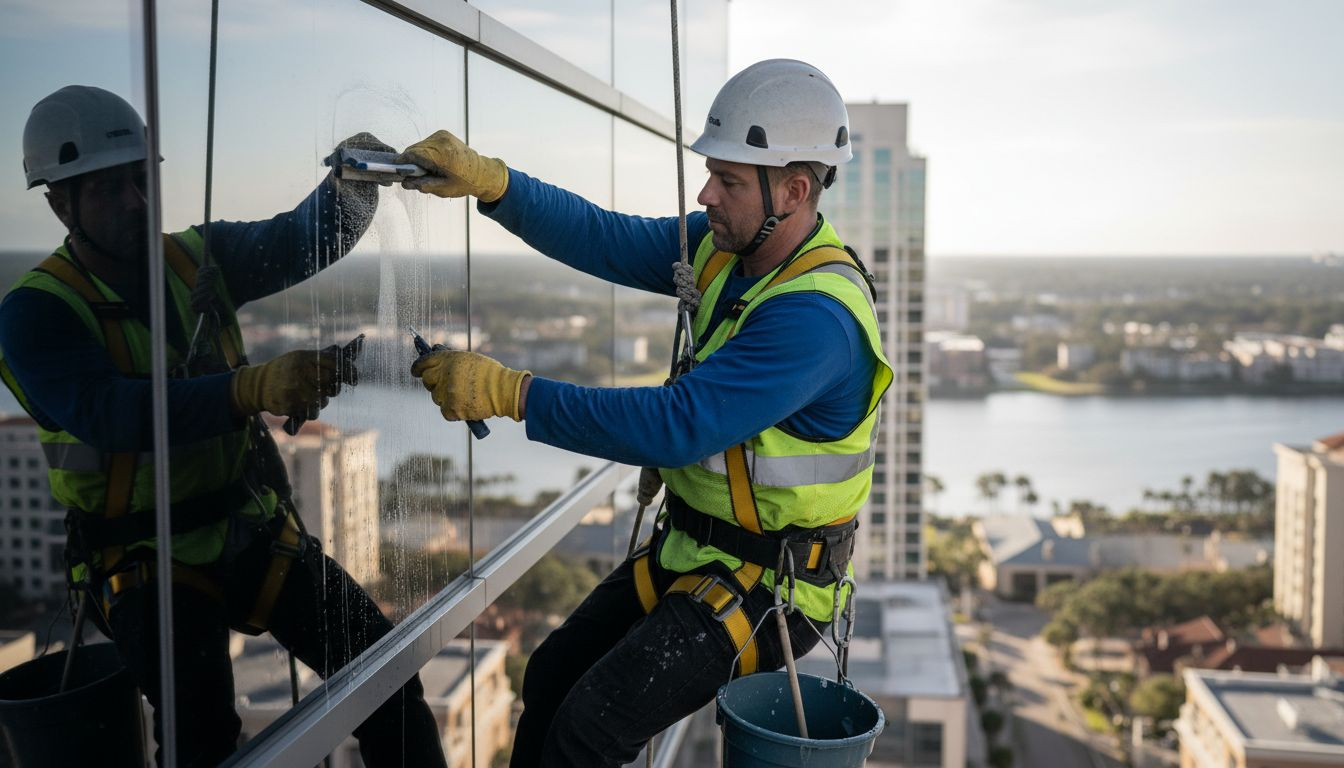
High-rise window cleaning presents serious risks, with falls accounting for the majority of workplace fatalities in this field. Professional companies in St. Augustine, Ponte Vedra, and Nocatee must navigate complex safety regulations while delivering spotless results. This guide helps property managers understand critical safety standards, evaluate service providers, and manage cleaning projects that protect workers and maintain building integrity.
Table of Contents
Understanding The Risks And Regulations Of High-Rise Window Cleaning
Key Safety Practices And Equipment For High-Rise Window Cleaning
Choosing The Right High-Rise Window Cleaning Company In St. Augustine And Surrounding Areas
Planning And Managing High-Rise Window Cleaning Projects Effectively
Discover Professional Window Cleaning Services With My Lemon Maids
Key takeaways
Point | Details |
Safety regulations are non-negotiable | OSHA standards 29 CFR 1910 mandate fall protection and equipment safety protocols for all high-rise window cleaning operations. |
Falls dominate workplace fatalities | Window washer falls remain the leading cause of deaths in this occupation, making professional expertise essential. |
Equipment and training matter equally | Certified companies invest in regular equipment inspection, technician training, and emergency preparedness to minimize risks. |
Local experience adds value | Companies familiar with St. Augustine area buildings understand regional weather patterns, building codes, and access challenges. |
Planning prevents problems | Thorough site assessments, clear communication, and documented safety protocols ensure successful high-rise cleaning projects. |
Understanding the risks and regulations of high-rise window cleaning
High-rise window cleaning combines technical skill with life-threatening risk. Workers operate hundreds of feet above ground using suspended platforms, bosun chairs, and rope access systems. One equipment failure or procedural mistake can result in fatal falls.
OSHA regulations mandate specific safety protocols to minimize fall risks, equipment malfunctions, and procedural dangers in commercial window cleaning. These standards aren’t suggestions. They’re legal requirements that separate professional operations from dangerous amateur attempts.
The statistics paint a sobering picture. Falls are the leading cause of workplace fatalities in construction-related industries, with window washers facing particular vulnerability. Between 2010 and 2023, dozens of window cleaners died from preventable falls that proper safety systems would have stopped.
OSHA standards 29 CFR 1910.27, 1910.28, and 1910.140 establish the legal framework for fall protection. These regulations require:
Personal fall arrest systems for any work above six feet
Regular inspection and maintenance of all rope access equipment
Comprehensive training for workers on equipment use and emergency procedures
Documented safety plans specific to each building and access method
Employer responsibility for providing safe working conditions
“Every high-rise window cleaning company must treat OSHA compliance as the foundation of their operation, not an optional upgrade.”
Property managers bear responsibility too. Hiring a company that cuts corners on safety exposes you to liability if accidents occur. Understanding these regulations helps you ask the right questions and verify that contractors prioritize worker protection.
The window cleaning basics for rental properties you might know from ground-level work don’t translate to high-rise operations. The complexity and danger escalate dramatically with height. Professional office window cleaning at street level requires different skills than suspended platform work on a 20-story building.
Risk assessment begins before equipment touches the building. Companies must evaluate weather conditions, building architecture, window condition, and potential hazards. Wind speed limits, temperature extremes, and precipitation all impact safety. A thorough pre-job inspection identifies anchor points, determines appropriate access methods, and establishes emergency protocols.
For comprehensive information about professional standards, explore our window washing and cleaning services info to understand what separates expert providers from risky alternatives.
Key safety practices and equipment for high-rise window cleaning
Safety is central to every aspect of high-rise window cleaning, from technician training to the inspection of access equipment. Professional companies invest heavily in both human expertise and mechanical systems that prevent accidents.
Technician training extends far beyond basic window cleaning skills. Workers must complete:
Fall protection certification covering anchor points, harness use, and arrest systems
Rope access training for descent and ascent techniques
Equipment inspection protocols to identify wear, damage, or malfunction
Emergency rescue procedures for extracting injured workers
Communication system operation for coordination between ground and elevated positions
This training isn’t a one-time event. Reputable companies require annual recertification and ongoing skill development. New equipment, updated regulations, and lessons learned from industry incidents all feed into continuous improvement programs.
Equipment selection depends on building design and access requirements. Common systems include:
Suspended scaffolds that create stable working platforms for multiple workers
Bosun chairs for single-operator work on buildings with limited anchor points
Personal fall arrest systems with shock-absorbing lanyards and self-locking devices
Rope descent systems for buildings where traditional platforms won’t work
Backup safety lines independent of primary support systems
Every piece of equipment undergoes inspection before each use. Harnesses get checked for fraying, stitching integrity, and buckle function. Ropes show wear patterns that indicate replacement needs. Mechanical devices receive lubrication and operational testing. This daily vigilance catches problems before they cause accidents.
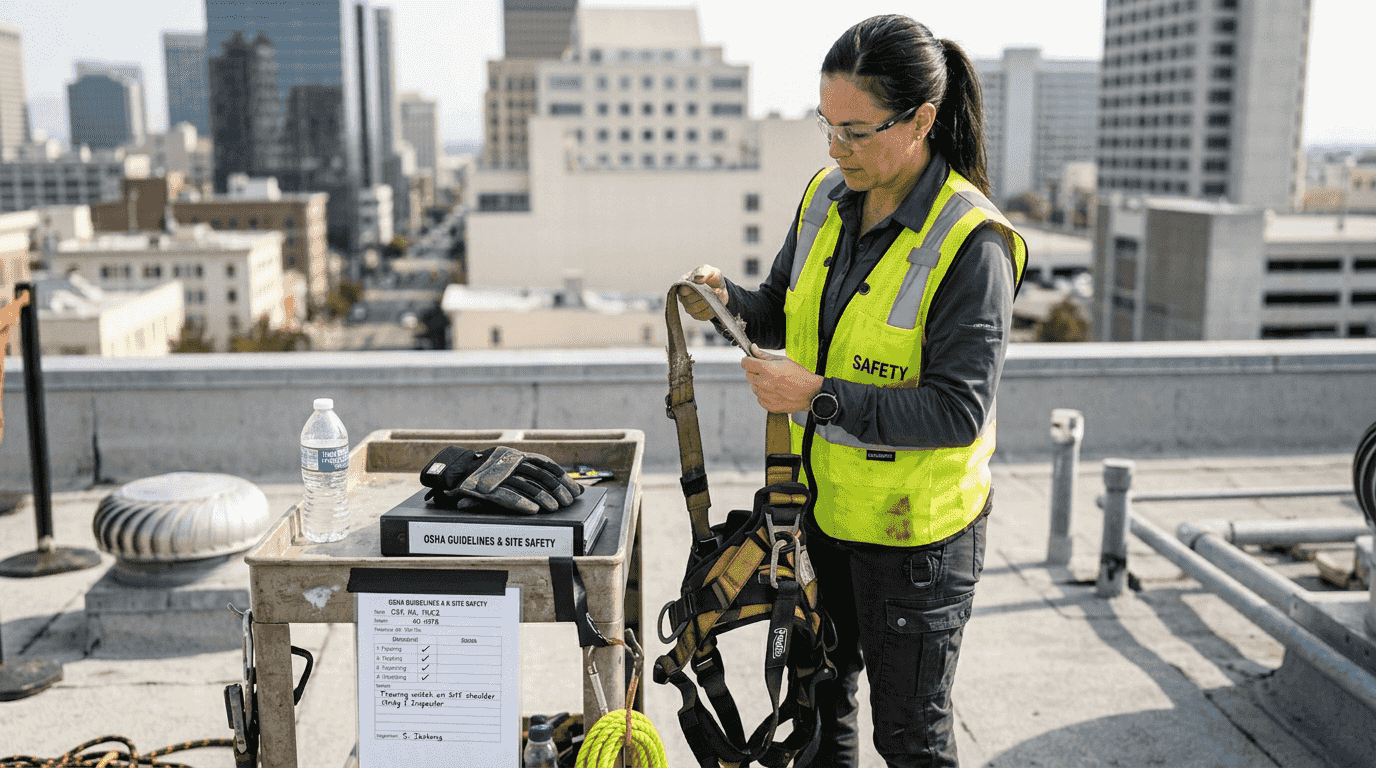
Pro Tip: Ask potential window cleaning companies for their equipment inspection logs and maintenance schedules. Professional operations document every inspection with dated records and technician signatures.
A comprehensive safety checklist guides every high-rise job:
Weather verification confirming conditions within safe operating parameters
Equipment inspection with documented results and supervisor approval
Site-specific hazard assessment identifying unique building challenges
Communication system testing between all team members
Emergency plan review with rescue equipment positioned and ready
Final supervisor walkthrough before work begins
This systematic approach eliminates the guesswork and improvisation that lead to accidents. Each step builds redundancy into the safety system.
Emergency preparedness separates professional operations from amateur ones. Every crew includes workers trained in rescue techniques. Ground personnel maintain communication and can summon emergency services immediately. Backup equipment stands ready if primary systems fail. These preparations rarely get used, but they’re essential when needed.
The same attention to detail that protects workers also delivers superior cleaning results. Window cleaning in medical offices and other commercial settings benefits from the precision and care that safety-focused companies bring to every job.
For property managers new to high-rise cleaning, rental property window cleaning basics provide foundational knowledge, though specialized training remains essential for elevated work.
Choosing the right high-rise window cleaning company in St. Augustine and surrounding areas
Selecting a high-rise window cleaning provider requires careful evaluation of credentials, experience, and safety commitment. The lowest bid often signals dangerous shortcuts that put workers and your property at risk.
Start with certification verification. Professional companies readily provide:
OSHA compliance documentation and training certificates
Insurance coverage details including liability and workers compensation
Bonding information protecting you against property damage
Safety incident history showing accident rates and corrective actions
Equipment maintenance records demonstrating regular inspection schedules
Understanding OSHA regulations is crucial for property managers to select contractors who champion best practices and reduce on-site incidents. Don’t accept vague assurances. Request specific documentation and verify credentials through independent sources.
Local experience matters in St. Augustine, Ponte Vedra, and Nocatee. Companies familiar with regional building types understand:
Salt air corrosion patterns affecting window seals and frames
Hurricane-season scheduling considerations and storm preparation protocols
Local building codes and inspection requirements
Coastal weather patterns that impact safe operating windows
Relationships with local emergency services if incidents occur
A company serving properties throughout Florida may lack the nuanced understanding that comes from focused regional operations. Ask about specific buildings they’ve serviced in your area and request local references.
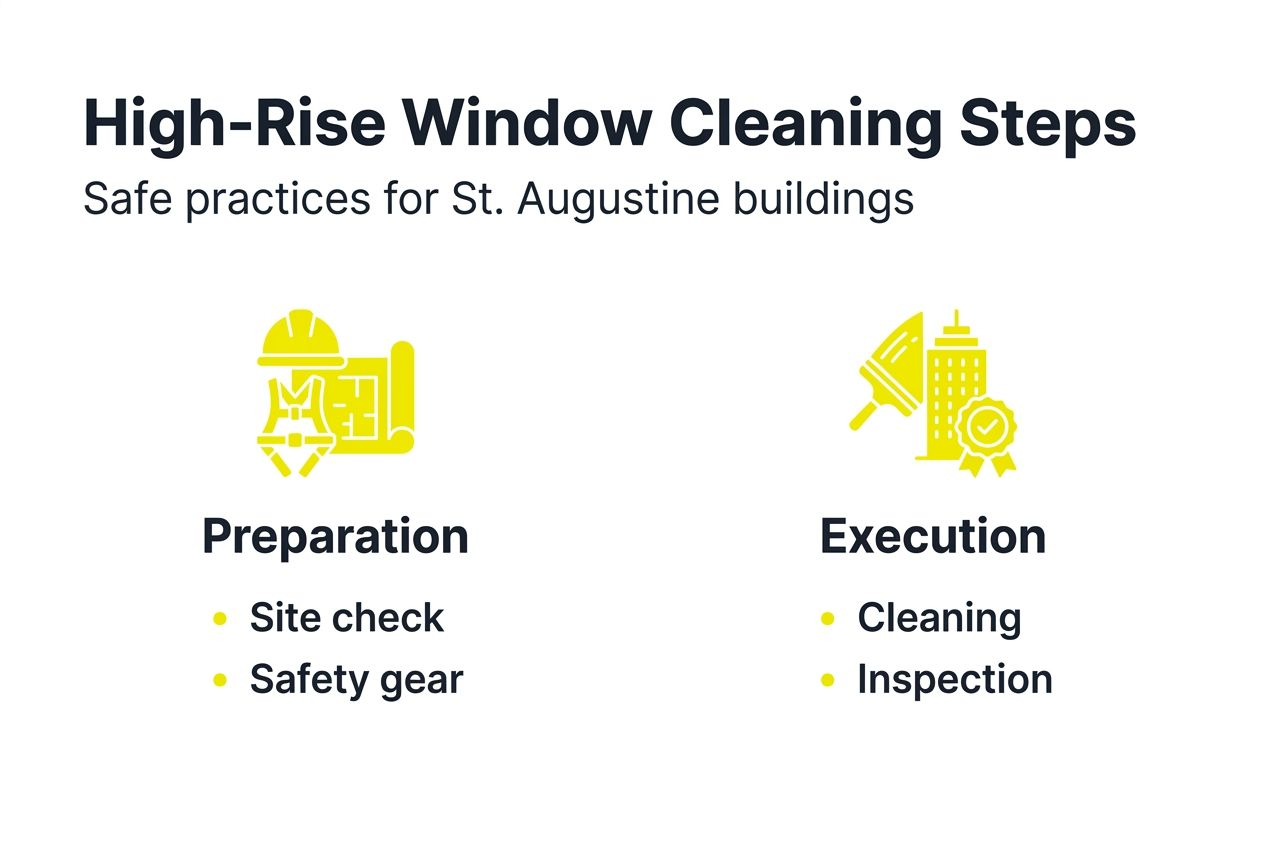
Pro Tip: Contact references directly and ask about communication quality, punctuality, problem-solving ability, and whether they’d hire the company again. Generic testimonials on websites tell you less than candid conversations with past clients.
Safety performance history reveals operational priorities. Request:
OSHA recordable incident rates for the past three years
Details on any citations or violations with corrective actions taken
Worker injury statistics and return-to-work programs
Insurance claims history and resolution outcomes
Third-party safety audit results if available
Companies with excellent safety records eagerly share this information. Evasive answers or refusal to provide data signals problems.
Compare proposals using this evaluation framework:
Evaluation Factor | What to Look For | Red Flags |
Safety protocols | Detailed written plans, equipment specifications, emergency procedures | Vague assurances, no documentation |
Pricing structure | Itemized costs, transparent methodology, insurance included | Dramatically low bids, hidden fees |
Scheduling approach | Flexible timing, tenant communication plans, weather contingencies | Rigid schedules, no backup dates |
Equipment description | Specific systems listed, inspection schedules, backup equipment | Generic descriptions, old equipment |
Worker qualifications | Named technicians, certification details, experience levels | Unnamed crews, minimal training |
Request detailed quotes that outline access methods, cleaning solutions, number of crew members, estimated duration, and safety equipment to be used. This transparency helps you compare proposals accurately and understand exactly what you’re purchasing.
The window cleaning benefits in St. Augustine extend beyond aesthetics when you choose qualified professionals who protect both workers and property. For rental property owners, window cleaning tips for rentals complement high-rise considerations when managing mixed-use buildings.
Planning and managing high-rise window cleaning projects effectively
High-rise window cleaning jobs start with planning, assessment, and a commitment to safety. Property managers who invest time in project preparation achieve better results with fewer surprises.
Thorough site assessment launches every successful project:
Building inspection identifying window types, frame conditions, and access points
Anchor point verification ensuring roof attachments meet load requirements
Obstacle mapping noting architectural features, signage, or landscaping
Weather pattern analysis for optimal scheduling windows
Tenant occupancy review to minimize disruption and coordinate access
This upfront work prevents mid-project discoveries that delay completion or compromise safety. Professional cleaning companies conduct these assessments as standard practice, but property managers should understand the process and verify completion.
Scheduling requires balancing multiple factors. Consider:
Tenant business hours and peak traffic periods to avoid
Weather forecasts with backup dates for rain or high winds
Seasonal patterns affecting pollen, salt spray, or temperature extremes
Building events or maintenance that could conflict with cleaning
Local regulations on noise or street access during specific hours
Weekend or evening scheduling minimizes disruption but may cost more. Evaluate the tradeoffs based on your building’s use and tenant needs. Spring and fall often provide optimal weather conditions in the St. Augustine area.
Communication prevents confusion and safety issues. Develop a notification plan:
Advance notice to all tenants with cleaning dates, times, and any required actions
Day-before reminders confirming schedule and requesting window clearance
On-site signage alerting pedestrians and visitors to overhead work
Direct communication with building security or management staff
Post-cleaning follow-up requesting feedback and noting any concerns
Clear communication builds cooperation and helps tenants prepare their spaces. It also demonstrates professionalism and concern for occupant convenience.
Pro Tip: Create a tenant guide explaining what to expect during high-rise window cleaning, including noise levels, equipment visible from windows, and approximate duration. This proactive approach reduces anxiety and complaints.
Oversight during cleaning ensures compliance with your agreement and safety standards. Monitor:
Equipment setup matching specifications in the contract
Worker behavior demonstrating proper safety protocol adherence
Progress tracking against schedule with prompt notification of delays
Site cleanliness as work progresses, not just final cleanup
Communication responsiveness from the supervisor or project manager
You’re not micromanaging professional work. You’re verifying that contracted services meet agreed standards. Most companies welcome engaged property managers who care about quality outcomes.
Documentation supports continuous improvement and provides records if disputes arise. Maintain:
Pre-cleaning photographic evidence of window condition
Daily progress reports from the cleaning company
Any incident reports or safety observations
Post-cleaning inspection results with detailed notes
Tenant feedback collected after project completion
This information guides future service specifications and helps you refine scheduling, communication, or provider selection over time.
For comprehensive property maintenance, office window cleaning guidance complements high-rise services. Explore our window washing and cleaning services for integrated approaches to building cleanliness.
Discover professional window cleaning services with My Lemon Maids
My Lemon Maids brings professional expertise to high-rise and commercial window cleaning throughout St. Augustine, Ponte Vedra, and Nocatee. Our teams follow strict safety protocols and maintain current OSHA certifications, delivering spotless results without compromising worker protection.

We understand local building types and coastal environmental challenges that impact window maintenance. Our comprehensive approach includes pre-job assessments, transparent communication, and flexible scheduling that minimizes tenant disruption. Whether you manage office buildings, residential high-rises, or mixed-use properties, we provide reliable service backed by proper insurance and bonding.
Explore our window washing and cleaning services info for detailed service descriptions and scheduling options. For broader property maintenance needs, our commercial cleaning services info and office cleaning services info demonstrate our integrated approach to building care.
FAQ
How often should high-rise windows be professionally cleaned?
Frequency depends on building location, environmental factors, and aesthetic standards. Coastal properties in St. Augustine typically require cleaning three to four times annually due to salt air and humidity. Urban buildings with higher pollution may need quarterly service, while protected inland properties might manage with semi-annual cleaning.
What safety certifications should I look for in a window cleaning company?
Verify that companies provide OSHA fall protection training certification and equipment inspection documentation. Workers should complete training on 29 CFR 1910 standards covering personal fall arrest systems, rope access techniques, and emergency rescue procedures. Current certifications demonstrate ongoing commitment to safety excellence.
Can high-rise window cleaning be scheduled without disrupting building tenants?
Yes, strategic scheduling during off-peak hours, weekends, or early mornings reduces tenant impact. Professional companies coordinate timing with property managers and provide advance notice to occupants. Clear communication about duration, noise levels, and any required preparations ensures smooth operations with minimal disruption.
What insurance coverage should high-rise window cleaning companies carry?
Companies must carry general liability insurance covering property damage and comprehensive workers compensation protecting employees. Minimum liability coverage should reach $2 million for high-rise work. Bonding provides additional protection against contractor default or incomplete work, giving property managers financial recourse if problems arise.
How do weather conditions affect high-rise window cleaning schedules?
Wind speeds above 20 mph, temperatures below freezing, and any precipitation halt high-rise cleaning for safety reasons. Companies monitor forecasts closely and maintain flexible schedules with backup dates. St. Augustine’s spring and fall seasons typically offer the most stable weather windows for reliable project completion.
Recommended