
Pressure washing tutorial: step-by-step guide for 2026
- support760146
- Mar 15
- 10 min read
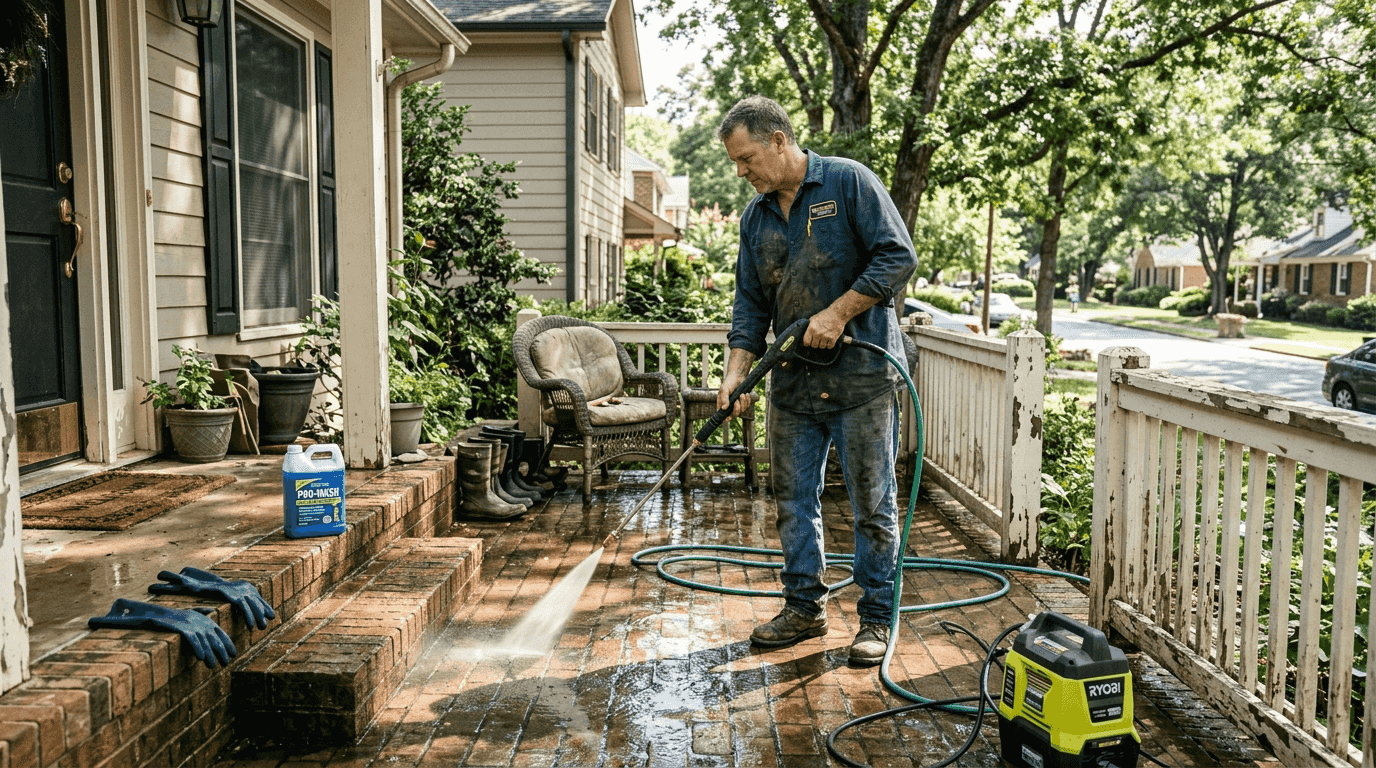
Your property’s exterior tells a story. When dirt, mildew, and grime accumulate on siding, driveways, and walkways, they silently chip away at curb appeal and property value. For homeowners and business owners in St. Augustine, Ponte Vedra, and Nocatee, coastal humidity accelerates this deterioration. Pressure washing offers a powerful solution to restore surfaces and protect your investment. This tutorial walks you through every step to safely and effectively revitalize your property’s exterior, from preparation through post-wash maintenance.
Table of Contents
Key takeaways
Point | Details |
Preparation is critical | Proper safety checks, equipment selection, and surface inspection prevent damage and ensure effective cleaning. |
Follow systematic steps | Washing from top to bottom with correct pressure settings and techniques delivers professional results. |
Avoid common mistakes | Using excessive pressure or wrong detergents can harm surfaces and equipment. |
Maintain regularly | Annual or bi-annual pressure washing preserves your property’s appearance and extends surface life. |
Professional help available | Expert services save time and guarantee thorough results for busy property owners. |
Preparing for your pressure washing project
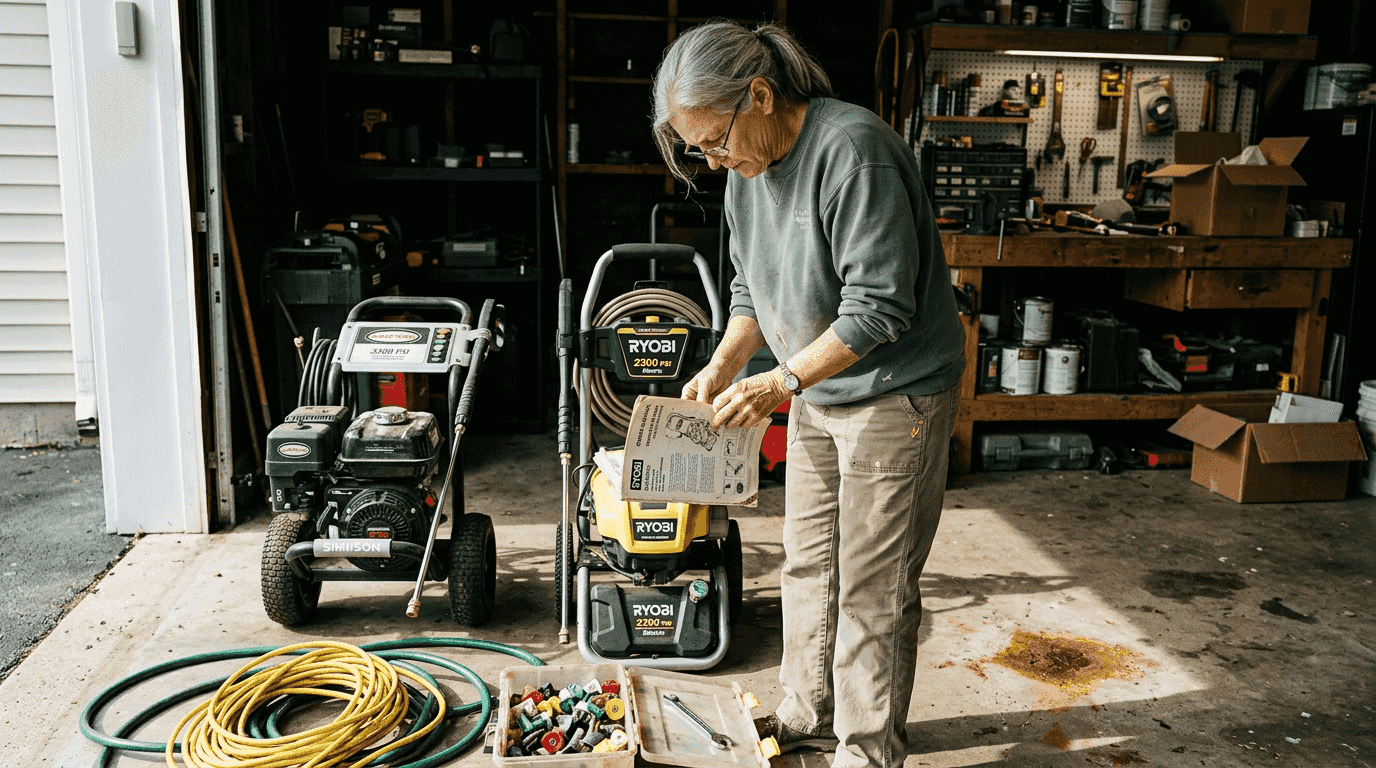
Successful pressure washing starts long before you pull the trigger. Pressure washing requires specific safety measures and preparation to protect both your property and yourself. Begin by confirming you have reliable access to water and electrical power near your work area. A standard garden hose connection and outdoor outlet are essential for most residential pressure washers.
Walk around your property and inspect every surface you plan to clean. Look for loose paint, cracked siding, damaged wood, or fragile materials that might not withstand high pressure. Remove potted plants, outdoor furniture, decorative items, and anything breakable from the work zone. Cover electrical outlets, light fixtures, and vents with plastic sheeting and waterproof tape.
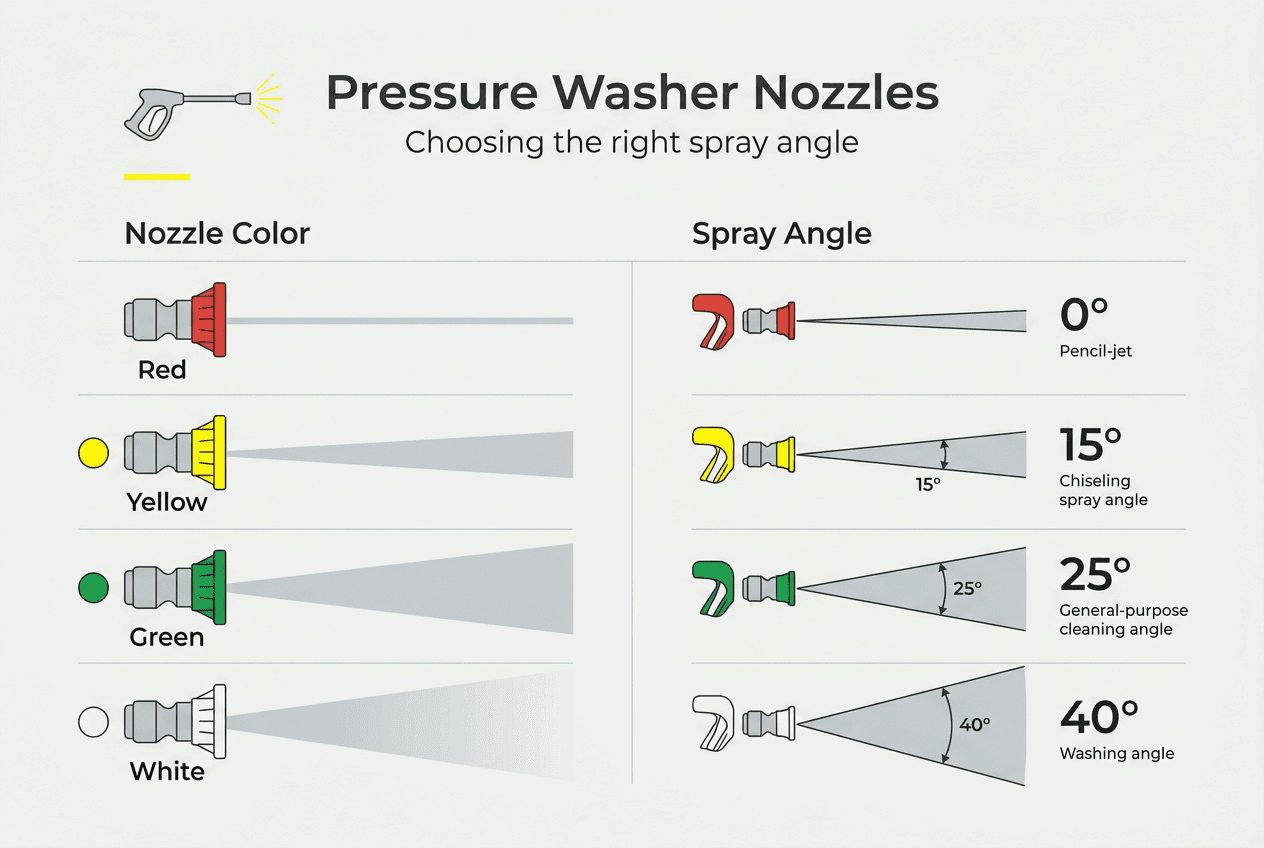
Choosing the right equipment makes the difference between mediocre and outstanding results. Electric pressure washers work well for most residential jobs, delivering 1300 to 2000 PSI. Gas-powered units provide higher pressure for commercial properties or heavily soiled surfaces. Select nozzles based on your surfaces: a 25-degree green nozzle handles general cleaning, while a 40-degree white nozzle works for delicate areas.
Nozzle selection guide:
| Nozzle Color | Spray Angle | Best For | | — | — | | Red | 0° | Stubborn stains on concrete only | | Yellow | 15° | Stripping paint, heavy buildup | | Green | 25° | General cleaning, siding, decks | | White | 40° | Windows, vehicles, delicate surfaces |
Detergent selection matters as much as pressure settings. Use cleaning solutions specifically formulated for pressure washers rather than household products. Different surfaces need different formulas: mildew removers for siding, degreasers for driveways, and gentle soaps for painted surfaces. Always check that detergents are safe for your specific material and local environmental regulations.
Personal protective equipment isn’t optional. Wear safety goggles to shield your eyes from debris and chemical splashes. Closed-toe boots with good traction prevent slips on wet surfaces. Heavy-duty gloves protect your hands from chemicals and high-pressure spray. Long pants and sleeves guard against flying dirt and accidental spray contact.
Pro Tip: Test your pressure washer on an inconspicuous spot before tackling visible areas. This reveals whether your pressure setting and technique work without causing damage. Start in a hidden corner of your driveway or behind a bush near your siding.
Consider timing and weather conditions carefully. Avoid pressure washing in direct sunlight, which causes detergents to dry too quickly and leaves streaks. Overcast days or early mornings provide ideal conditions. Check local water restrictions, especially during dry seasons. In coastal areas like St. Augustine and Ponte Vedra, salt air accelerates grime buildup, making thorough preparation even more important.
Step-by-step pressure washing instructions
With your preparation complete, you’re ready to transform your property’s exterior. Following a systematic approach guarantees thorough cleaning and prevents surface damage. These steps work for driveways, siding, decks, and most exterior surfaces.
Connect and prime your equipment. Attach your garden hose to the pressure washer inlet and connect the high-pressure hose to the spray gun. Turn on the water supply and squeeze the trigger to release air from the system. Start the pressure washer according to manufacturer instructions, allowing it to run for 30 seconds before beginning work.
Begin with lowest pressure. Insert the widest angle nozzle (white 40-degree) and test spray on your hidden test area from 3 feet away. Gradually move closer or switch to a narrower nozzle only if needed. This conservative approach prevents accidental damage to surfaces.
Apply detergent strategically. Switch to your detergent nozzle (usually black) and apply cleaning solution from bottom to top in small sections. This prevents streaking. Let the detergent dwell for 5 to 10 minutes, but never allow it to dry on the surface. For tough stains like oil on driveways, a longer dwell time improves results.
Wash from top to bottom. Switch back to your cleaning nozzle and rinse from the highest point downward. This prevents dirty water from running over already cleaned areas. Hold the spray wand 12 to 18 inches from the surface and use smooth, overlapping strokes. Move in consistent horizontal or vertical patterns rather than random movements.
Maintain consistent distance and angle. Keep your spray wand at a 45-degree angle to the surface. Spraying perpendicular can force water behind siding or into cracks. Never spray upward under siding edges, which can trap moisture and cause mold growth.
Rinse thoroughly. After washing each section, make a final pass with clean water to remove all detergent residue. Soap left on surfaces attracts dirt quickly and can damage plants or grass below. Pay special attention to corners, edges, and textured areas where residue hides.
Adjust for different surfaces. Vinyl siding tolerates 1500 to 2000 PSI, but wood siding needs gentler treatment at 1200 to 1500 PSI. Concrete driveways handle higher pressure, while painted surfaces require the white nozzle and extra distance. When cleaning driveways, you can work closer and use more aggressive angles for oil stains.
Pro Tip: Work in small manageable sections rather than trying to wash your entire house at once. Complete one wall or one section of driveway before moving on. This ensures you don’t miss spots and allows you to maintain consistent quality throughout the project.
“The key to professional pressure washing results lies in patience and technique, not raw power. Most property damage occurs when operators rush or use excessive pressure trying to speed up the job.”
For multi-story homes, use an extension wand rather than a ladder. Pressure washer recoil on a ladder creates serious fall risk. Extension wands let you reach second-story siding safely from the ground. If you absolutely must use a ladder, have someone hold it steady and never operate the pressure washer with one hand while climbing.
Watch for signs you’re using too much pressure: splintering wood, chipped paint, or etched concrete. If you see damage, immediately switch to a wider nozzle, increase your distance, or reduce pressure settings. Remember, you can always make a second pass with more pressure, but you can’t undo damage from excessive force on the first attempt.
Common mistakes and troubleshooting tips
Even experienced operators encounter challenges during pressure washing projects. Many pressure washing problems stem from incorrect pressure settings or inappropriate cleaning agents. Recognizing and avoiding these mistakes saves time, money, and prevents property damage.
Pressure and distance errors:
Holding the nozzle too close creates concentrated force that gouges wood, strips paint, and etches concrete
Using a zero-degree red nozzle on anything except the most stubborn concrete stains causes immediate damage
Spraying windows directly can crack glass or force water past seals
Pointing the spray upward under siding edges traps water and promotes rot
Chemical and detergent mistakes:
Mixing bleach with ammonia-based cleaners creates toxic fumes
Using automotive degreasers on painted siding strips finishes
Applying acid-based concrete cleaners to natural stone causes permanent etching
Letting detergent dry on surfaces before rinsing leaves stubborn residue and streaks
Equipment problems:
| Issue | Likely Cause | Solution | | — | — | | Pulsating pressure | Air in system or clogged nozzle | Prime system fully, clean nozzle tip | | No pressure | Failed pump or kinked hose | Check hose routing, inspect pump seals | | Detergent not dispensing | Wrong nozzle or empty tank | Use black nozzle, refill detergent | | Water leaking | Loose connections | Tighten all fittings with wrench |
Streaking happens when you overlap passes inconsistently or allow sections to dry between washing and rinsing. Maintain wet edges by working quickly in manageable sections. If streaks appear, rewash the entire section rather than spot-treating, which often makes streaking worse.
Fragile surfaces require extra caution. Old wood siding with peeling paint, deteriorated stucco, and aging composite decking can’t withstand standard pressure. Test these materials with the white nozzle from maximum distance. If you see any surface material lifting or flaking, stop immediately and consider professional pressure washing services with specialized equipment.
Pro Tip: If you encounter mold and mildew stains that don’t respond to standard pressure washing, apply a dedicated mildew remover and let it work for 15 minutes before washing. In humid coastal climates, biological growth often penetrates porous surfaces and needs chemical treatment, not just mechanical cleaning.
Watch for these warning signs during your project:
Splintering or fuzzing on wood surfaces means pressure is too high
Paint chips flying off indicate you’re stripping finish unintentionally
Discolored spots on concrete suggest uneven cleaning or chemical reactions
Water entering your home through windows or doors signals improper spray angles
When equipment malfunctions mid-project, don’t force it to continue working. Shut down immediately and diagnose the problem. Running a pressure washer with a failing pump or clogged system causes expensive damage. Most issues resolve with simple fixes: clearing debris from the intake filter, replacing a worn nozzle, or tightening loose connections.
Maintaining your property after pressure washing
Your freshly cleaned exterior deserves protection to maximize the results of your hard work. Regular maintenance pressure washing extends the life and appearance of property exterior surfaces. Proper post-wash care and routine upkeep keep your property looking fresh for months or years.
Immediate equipment care prevents costly repairs and ensures your pressure washer stays ready for the next job. Flush all detergent from the system by running clean water through it for two minutes. Disconnect hoses and drain remaining water to prevent freezing damage in cooler months. Store nozzles in a labeled container so you can find the right one quickly next time. Wipe down the pressure washer body and inspect hoses for wear or cracks.
Post-wash property care checklist:
Inspect cleaned surfaces for any damage that occurred during washing
Apply protective sealant to wood decks within 48 hours of cleaning
Check that all outlet covers and protective sheeting can be safely removed
Water any plants or grass that received detergent overspray
Document the cleaning date for future maintenance scheduling
Schedule regular pressure washing based on your property’s exposure and local conditions. Most homes in temperate climates need washing once annually. Properties in St. Augustine, Ponte Vedra, and Nocatee face higher humidity and salt air exposure, often requiring twice-yearly cleaning. Heavy tree coverage, north-facing walls, and areas with poor drainage accumulate grime faster and need more frequent attention.
Routine inspections between pressure washing sessions catch problems early. Walk your property quarterly and look for these warning signs:
Green or black streaks indicating algae or mildew growth
Dirt accumulation in textured areas or corners
Discoloration on driveways from oil or rust stains
Cobwebs and insect nests around eaves and fixtures
Spot-clean small problem areas with a garden hose and soft brush rather than deploying the pressure washer for minor issues. This targeted approach handles isolated dirt without the time and effort of a full pressure washing session. For persistent stains, apply appropriate cleaning solution and scrub gently before rinsing.
Protective treatments significantly extend the time between pressure washing sessions. Sealants on concrete driveways repel oil and make future cleaning easier. Deck stains and sealers applied after pressure washing protect wood from moisture and UV damage. These products typically need reapplication every two to three years, but they dramatically reduce maintenance requirements.
Pro Tip: Create a property maintenance calendar that includes pressure washing alongside other seasonal tasks. Spring cleaning tackles winter grime and prepares surfaces for summer. Fall washing removes summer mildew and readies your property for holiday guests. Consistent scheduling prevents severe buildup that requires aggressive cleaning.
Avoid harsh chemicals for routine maintenance between pressure washing sessions. Chlorine bleach damages plants and corrodes metal fixtures. Acid-based cleaners etch natural stone and concrete. Stick with pH-neutral cleaners designed for your specific surface type. When in doubt, consult professional pressure washing equipment care guidelines for product recommendations.
Document your maintenance activities with photos and notes. This record helps you identify problem areas that need extra attention, track the effectiveness of different cleaning products, and demonstrate property care if you ever sell. Many homeowners discover that well-maintained exteriors significantly boost property value and buyer interest.
Professional cleaning services in St. Augustine, Ponte Vedra, and Nocatee
While DIY pressure washing delivers satisfying results, many property owners prefer professional expertise for thorough, efficient cleaning. My Lemon Maids brings specialized equipment and trained technicians to homes and businesses throughout St. Augustine, Ponte Vedra, and Nocatee. Our deep cleaning services extend beyond exteriors to transform your entire property.

Professional pressure washing eliminates the equipment investment, physical labor, and time commitment of DIY projects. Our team handles everything from preparation through cleanup, using commercial-grade pressure washers and surface-specific cleaning solutions. We understand local challenges like salt air corrosion and humidity-driven mildew growth that affect coastal properties.
Beyond pressure washing, we offer comprehensive property care including commercial cleaning services for businesses and window washing that complements your fresh exterior. Convenient scheduling fits your busy life, and our trusted results come with satisfaction guarantees. Whether you need a one-time deep clean or regular maintenance, we customize services to your property’s specific needs.
FAQ
What pressure level should I use for house siding?
Use 1500 to 2000 PSI for vinyl siding and 1300 PSI or less for delicate materials like wood to avoid damage. Always test on a small hidden area first with the widest angle nozzle before applying full pressure to visible surfaces. Adjust based on the siding’s age and condition.
Can I use household detergents with my pressure washer?
Household detergents often contain harsh chemicals that can damage your pressure washer or surfaces. Use detergents specifically formulated for pressure washers for best results. These products create appropriate suds levels and rinse cleanly without leaving residue or harming equipment seals.
How often should I pressure wash my property’s exterior?
Pressure wash at least once annually in temperate climates, twice if mold or dirt accumulates rapidly. Factors such as local weather, tree coverage, and pollution affect frequency. Coastal properties in humid areas like St. Augustine typically need more frequent cleaning due to salt air and moisture.
Is it safe to pressure wash windows?
Pressure washing windows requires extreme caution and the gentlest settings. Use only the white 40-degree nozzle from at least 2 feet away, and never spray directly at seals or edges. Many professionals recommend avoiding pressure washers on windows entirely and using traditional window cleaning methods instead to prevent cracked glass or water intrusion.
What should I do if my pressure washer loses pressure during use?
Losing pressure mid-job usually indicates a clogged nozzle, air in the system, or kinked hose. Stop immediately and shut off the unit. Clear any debris from the nozzle tip with a small wire or needle. Check that all hoses run straight without kinks. Prime the system again by running water through with the trigger pulled before restarting.
Recommended
Comments